


AI Expense Categorization in Canada: Avoid Common Mistakes
Klyrr Team · Aug 2, 2026 · 25 min read
Table of contents
- A Relatable Canadian Money Moment and Why This Guide Exists
- Canadian Households in 2026 (CAD, provinces, real life)
- Video: AI Changed My Finances—Here Are the Exact Prompts I Use
- Trusted Sources (CRA, canada.ca, banks, FCAC)
- Practical Strategies with Real CAD Examples (Part 1)
- Understand the Importance of Categorization
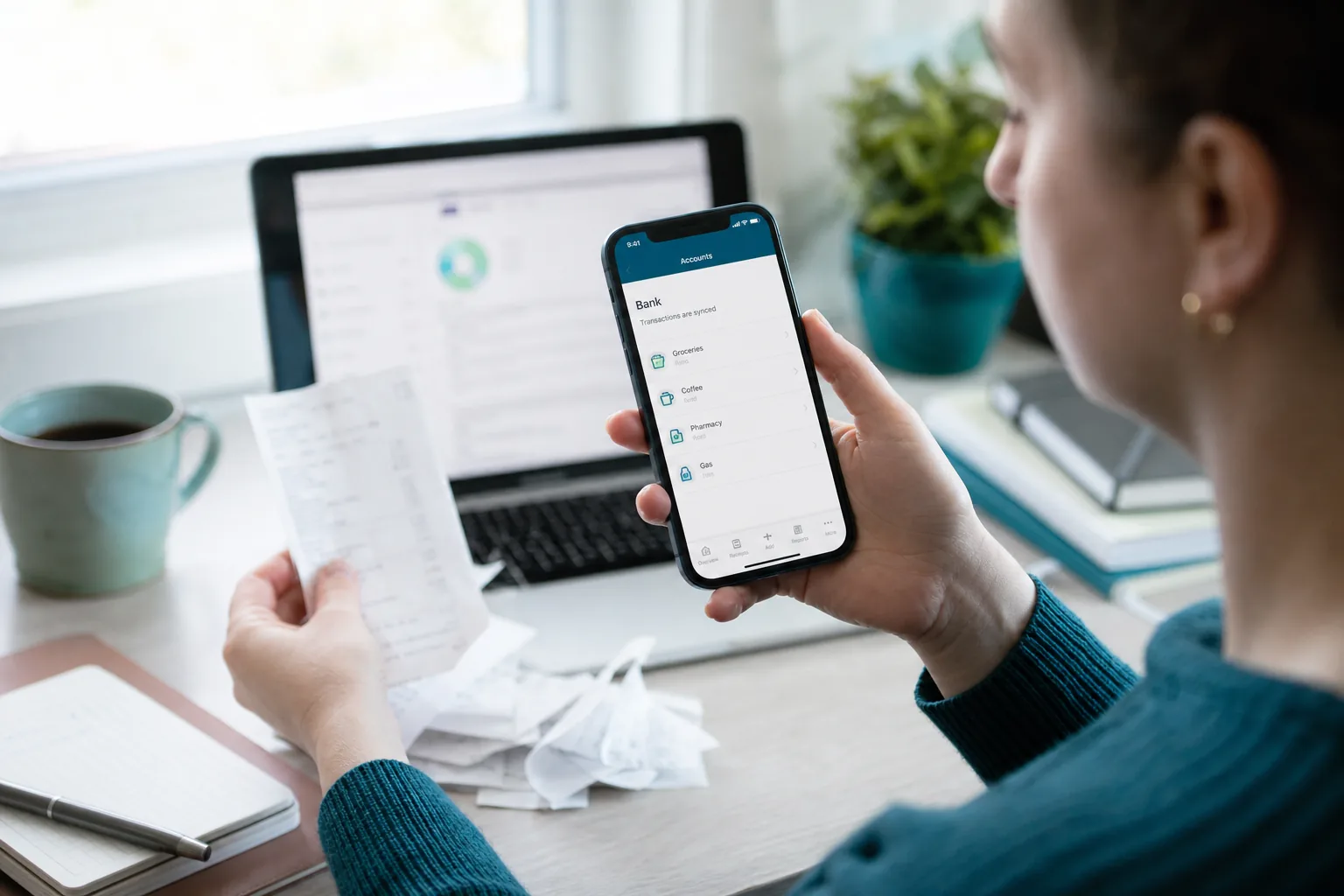
- Utilize Bank Sync and Receipt Snapping
- Leverage Canadian Bank Tools and Advice
- Implement Regular Category Reviews
- Ask the Right Questions with Your Partner
- Use Free Tools Available Post-Mint
- Adjust for Inflation's Impact on Your Budget
- Take Advantage of Klyrr's AI Tools
- Monitor Financial Trends and Adjust Accordingly
- Embrace a Proactive Approach to Financial Management
- Next-dollar priorities, habits, and a week-by-week plan (Part 2)
- Prioritize Essential Categories
- Set Weekly Spending Limits
- Leverage AI for Accurate Categorization
- Use Receipt Snapping for Cash Transactions
- Review and Adjust Weekly
- Discuss Financial Goals with Your Partner
- Monitor Inflation Impact
- Utilize Free Financial Tools
- Correct Misclassified Expenses
- Embrace a Proactive Approach
- English + French Terms Canadians Search (TFSA/CELI, RRSP/REER, FHSA/CELIAPP)
- Understanding TFSA/CELI and Its Role in AI Categorization
- RRSP/REER: Contributions and AI Monitoring
- The New FHSA/CELIAPP and AI’s Role
- Practical Steps for Bilingual Canadians
- CAD Examples and AI Categorization
- Monitoring and Adjusting AI Settings
- Inflation’s Impact on Categorization and Spending
- The Importance of Merchant Normalization
- Engaging with Your Financial Tools
- Conclusion: Embrace Bilingual Financial Management
- Bank Sync, Receipt Snap, and Why Spreadsheets Fail
- What to Do Today, This Week, and This Month
- Ten Detailed Questions Canadians Actually Ask
- What Is AI Expense Categorization and How Does It Work in Canada?
- How Accurate Is AI in Categorizing Expenses for Canadians?
- What Are the Common Mistakes in AI Expense Categorization?
- How Can I Fix Incorrect Categories in My Budget?
- How Does Inflation Impact Budget Categorization in Canada?
- Should I Rely Solely on AI for Expense Categorization?
- What Tools Can Canadians Use for AI Expense Categorization?
- How Can Couples Manage Shared Expenses with AI Categorization?
- How Does Connecting My Canadian Bank Improve Expense Tracking?
- What Should I Do If I Find a Category Error in My Transactions?
- Secure bank connect, AI insights, and your free next step
- Quick comparison: old way vs Klyrr way
1. A Relatable Canadian Money Moment and Why This Guide Exists
Picture this: You're a busy parent in Montréal, juggling the demands of work, family, and everything in between. You’ve just returned from a weekend of errands, including a $85 grocery run at Metro and a $62 gas fill-up at Petro-Canada. You finally sit down at the kitchen table, armed with a stack of receipts, ready to tackle your family’s budget. As you sift through each slip of paper, you suddenly realize that despite your best efforts, your bank's app has miscategorized several transactions. The $40 spent on your child’s school supplies at Dollarama has been tagged as "Dining Out," and the $120 spent on car maintenance at Canadian Tire is inexplicably labeled as "Entertainment." Frustration mounts as you question how to set this straight without spending hours in front of a spreadsheet.
a. Why AI Expense Categorization Matters
In today’s fast-paced world, many Canadians rely on AI-powered tools to manage their finances, hoping to save time and gain insights. Yet, when AI categorization mistakes occur, they can lead to budgeting errors that disrupt our financial plans. The Bank of Canada emphasizes the importance of accurate financial tracking, especially amidst ongoing inflationary pressures that can affect household budgets in 2026 and beyond. Misplaced categories can obscure your true spending patterns, making it difficult to adjust your budget or identify areas for savings.
b. Common Categorization Mistakes
AI expense categorization in Canada often stumbles over merchant names and transaction types, leading to errors that families may not catch immediately. According to the Financial Consumer Agency of Canada, maintaining an accurate budget is crucial for financial health, yet these errors can make it challenging to track where your money truly goes. Banks like TD and RBC have been advising customers to regularly review their transaction categorizations and make manual adjustments when necessary.
c. How This Guide Helps
This guide is designed to help Canadian families navigate the complexities of AI expense categorization and provide practical steps to correct mistakes. From understanding how secure bank connections, like those offered by Klyrr, can enhance budget accuracy, to learning how receipt snapping complements transaction sync for cash spending, you’ll discover ways to refine your financial management. Explore how you can use AI tools more effectively, ensuring your budget reflects reality and helps you achieve your financial goals.
By the end of this guide, you’ll be equipped with strategies to fix categorization errors and maintain a clear, accurate picture of your family’s finances. Whether you're managing shared expenses with a partner or aiming to optimize your spending amid inflation, this guide provides the insights you need to stay on track and in control.

2. Canadian Households in 2026 (CAD, provinces, real life)
a. Understanding the Impact of AI Expense Categorization
AI expense categorization is becoming an essential tool for Canadian households, especially as we look ahead to 2026. With the rising cost of living and inflation impacting budgets across provinces, the ability to accurately track spending is more important than ever. According to the Bank of Canada, inflation continues to influence household expenses, making precise categorization crucial for maintaining financial health.
AI categorization mistakes can lead to misinformed spending habits, which is why it's important to address these errors promptly. An FCAC report emphasizes the significance of accurate budgeting tools in helping Canadians manage their finances effectively. By ensuring that AI systems categorize expenses correctly, families can better understand where their money is going and adjust their budgets accordingly.
b. Common Mistakes and Their Consequences
One of the biggest mistakes Canadian families make with AI expense categorization is relying too heavily on automated systems without regular checks. This can lead to recurring expenses, like subscription services, being misclassified as one-time purchases. For instance, a recurring $15.99 Netflix subscription might be mistakenly categorized as entertainment instead of a subscription, skewing the budget.
Another common error is the misclassification of grocery expenses, where a $85 grocery run at Loblaws might be grouped under dining out, leading to an inaccurate picture of daily spending. These mistakes can add up, making it difficult for families to stick to their financial plans.
c. Practical Steps for Busy Parents
For busy parents in Toronto or Montréal, addressing these categorization challenges can seem daunting. However, simple steps can make a big difference. Start by reviewing your monthly bank statement and manually correcting any misclassified transactions. Connecting your bank account for automatic sync can help catch these errors early, offering a more accurate overview compared to traditional month-end spreadsheet budgeting.
Snapping receipts at checkout, especially for cash transactions, complements bank transaction sync by ensuring that every expense is accounted for. This habit not only helps in capturing every dollar spent but also aids in verifying AI categorizations.
d. Real Savings with Accurate Categorization
The benefits of accurate AI expense categorization extend beyond peace of mind. For example, properly classifying a $62 gas fill-up at Petro-Canada under transportation rather than miscellaneous can reveal patterns that help optimize routes and reduce fuel costs over time. Similarly, correctly identifying a $45 subscription service allows families to assess if the service still provides value or if it can be canceled to save money.
e. Leveraging Free Tools Post-Mint
With the shutdown of Mint, many Canadians are seeking alternative tools for personal finance management. Klyrr offers a comprehensive solution with its AI-powered categorization and receipt snapping feature. It helps users see where their money goes without the need for spreadsheets, providing a clear view of their financial landscape.
By leveraging these tools, Canadian households can stay on top of their finances, correct categorization errors, and ensure that their budgets reflect their actual spending habits. This proactive approach is crucial for financial success in 2026 and beyond.
3. Video: AI Changed My Finances—Here Are the Exact Prompts I Use
Watch this overview, then apply the steps below with your own receipts and accounts.
4. Trusted Sources (CRA, canada.ca, banks, FCAC)
a. Government Guidance on AI Expense Categorization
When it comes to managing personal finances, the Canadian government offers valuable resources to help citizens make informed decisions. The Financial Consumer Agency of Canada (FCAC) provides extensive guidance on creating and maintaining a household budget, emphasizing the importance of accurate expense categorization. Their tools can assist in setting a solid foundation for understanding your spending habits, which is crucial when using AI for expense categorization. Additionally, the Bank of Canada offers insights into how inflation affects household costs and the importance of keeping track of expenses in a fluctuating economic environment.
b. Banking Sector Recommendations
Major Canadian banks like TD, RBC, Scotiabank, BMO, and CIBC also provide resources and advice for managing personal finances. For example, TD Bank emphasizes the importance of consistently tracking expenses and suggests using digital tools to facilitate this process. Meanwhile, RBC’s Advice Centre offers articles and tips on budgeting and saving, underscoring the role of accurate categorization in understanding financial health. These banks often recommend that clients utilize AI-powered tools to enhance expense tracking efficiency, reduce manual errors, and provide real-time insights into spending patterns.
c. Common Mistakes and Solutions
One of the most common mistakes Canadian families make with AI expense categorization is relying solely on automated processes without periodic reviews. While AI can efficiently categorize transactions, human oversight is necessary to correct errors and ensure accuracy. For instance, a grocery run at Loblaws might be incorrectly categorized as dining out due to a misinterpretation of merchant codes. By regularly reviewing and adjusting these categorizations, families can maintain a more accurate financial picture.
Another issue arises when transactions lack clear categorization due to vague merchant descriptors. Canadian banks recommend reviewing bank statements regularly and making manual adjustments where necessary, a task that can be streamlined through tools like Klyrr, which offers both AI categorization and manual entry options.
d. Practical Steps for Busy Canadians
For busy parents in cities like Toronto or Montréal, integrating AI tools with traditional budgeting practices can save time and reduce stress. Start by connecting your Canadian bank account for automatic transaction syncing, which helps capture a comprehensive view of your spending. Complement this with receipt snapping at checkout for cash transactions, ensuring all expenses are accounted for.
Consider a scenario where you spend $85 on groceries at Metro and $62 on gas at Petro-Canada. By snapping receipts immediately, you ensure these expenses are accurately recorded, avoiding the need for later corrections. This approach not only improves financial tracking but also aids in budgeting more effectively amidst inflation concerns.
e. Addressing Inflation and Budget Categories
Inflation in Canada affects various budget categories differently, with essentials like groceries and gas often seeing significant price hikes. According to the Bank of Canada, staying informed about inflation trends can help you adjust your budget accordingly and make more informed financial decisions. AI tools can assist by highlighting spending trends and suggesting category adjustments to better reflect current economic conditions.
f. Free Tools for Canadians Post-Mint
With Mint no longer available, Canadians seeking free budgeting alternatives can turn to tools like Klyrr, which offers a comprehensive platform for managing expenses. By combining AI categorization with manual oversight, users can enjoy the benefits of both automation and personalized financial management. This ensures that, despite the absence of Mint, Canadians have access to reliable tools for maintaining financial clarity.
5. Practical Strategies with Real CAD Examples (Part 1)
a. Understand the Importance of Categorization
AI expense categorization in Canada is a growing tool for managing household finances, but it often requires a hands-on approach to ensure accuracy. By understanding how transactions are categorized, you can make better financial decisions. For example, a $150 grocery bill at Loblaws might be mistakenly categorized as dining out if the AI misinterprets the merchant's name. Correcting such errors ensures your budget reflects your actual spending habits.
b. Utilize Bank Sync and Receipt Snapping
Connecting your Canadian bank via secure sync is an effective way to automate transaction tracking, capturing everything from that $62 gas fill-up at Esso to a $45 pharmacy run at Shoppers Drug Mart. While this method provides a comprehensive overview, receipt snapping at checkout offers an additional layer of accuracy, especially for cash purchases that bank syncs might miss. Combining these tools helps you maintain a clear picture of your spending, reducing the need for monthly spreadsheet chores.
c. Leverage Canadian Bank Tools and Advice
Major Canadian banks such as TD and RBC provide insights and tools to help manage your finances. For instance, TD offers personal finance advice on budgeting and saving, which can complement AI categorization efforts. These banks typically suggest reviewing transactions regularly to catch and correct categorization errors. By following this guidance, you can ensure that your $85 grocery trip to Metro isn't mistakenly logged as something else. For more insights, explore TD's personal finance resources.
d. Implement Regular Category Reviews
Even with AI assistance, regular reviews of your expense categories are crucial. Set aside time weekly to scan through your transactions in Klyrr, adjusting any miscategorized items. This habit can prevent small mistakes from snowballing into larger financial misinterpretations. For example, a recurring $20 monthly subscription might be misclassified as a one-time entertainment expense, skewing your budget tracking. Ensuring categories are accurate helps you make informed spending decisions.
e. Ask the Right Questions with Your Partner
Discussing finances with your partner is essential for joint financial planning. Start by asking questions like, "How much did we spend on dining out last month?" or "Are there any recurring charges we can cut down?" These questions prompt a deeper dive into your spending habits, revealing areas for improvement. AI categorization helps surface these insights, but a conversation about shared goals and priorities is key to making meaningful changes.
f. Use Free Tools Available Post-Mint
Since Mint's departure, Canadians have sought alternative budgeting tools, with many turning to free resources offered by the government and financial institutions. The FCAC provides a Budget Planner tool that can assist in setting realistic financial goals and monitoring spending. These tools, combined with AI categorization, offer a comprehensive approach to money management, making sure every dollar is accounted for and optimized.
g. Adjust for Inflation's Impact on Your Budget
Inflation can affect your budget categories, making it essential to adjust your financial plans accordingly. For instance, a frequent $40 coffee shop visit may now cost $50, impacting your dining out budget. The Bank of Canada provides insights into inflation trends, helping you anticipate changes in expenses and adjust your budget to maintain financial health.
h. Take Advantage of Klyrr's AI Tools
Klyrr's AI assistant offers real-time advice based on your financial data, helping correct categorization errors and optimize spending. For example, if you notice that your $100 gym membership is categorized under leisure instead of fitness, the AI can help correct it, ensuring your budget remains accurate. Discover more about how Klyrr can support your financial journey at Klyrr.
i. Monitor Financial Trends and Adjust Accordingly
Stay informed about broader financial trends and how they might impact your budget categories. For instance, increased fuel prices could shift your transportation budget, requiring adjustments to maintain balance elsewhere. Regularly reviewing financial news and updates ensures your budget evolves with the economic landscape, preserving your financial stability.
j. Embrace a Proactive Approach to Financial Management
Taking a proactive approach to your finances means regularly interacting with your budgeting tools, correcting errors, and adjusting categories as needed. This approach ensures that your financial plan reflects your actual spending and helps you achieve your financial goals. By staying engaged with your budgeting process, you'll build a stronger financial foundation for the future.

6. Next-dollar priorities, habits, and a week-by-week plan (Part 2)
a. Prioritize Essential Categories
In understanding how to allocate your next dollar, it's crucial to prioritize spending categories that are essential for your household. Start by assessing your current financial situation and identifying the must-haves in your budget. The Financial Consumer Agency of Canada suggests that housing, transportation, groceries, and utilities should be at the top of your list. For instance, allocate funds for a typical $85 grocery run or a $62 gas fill-up to ensure these necessities are covered before considering discretionary spending.
b. Set Weekly Spending Limits
Establishing weekly spending limits can help you manage your finances more effectively. This approach not only keeps you disciplined but also allows you to adjust spending in real-time. For example, if you've budgeted $100 per week for dining out, and you spend $25 at a café early in the week, you'll know to reserve the remaining $75 for weekend plans. AI expense categorization tools can assist by automatically tracking these expenditures and alerting you when you're nearing your limit. Learn more about how Klyrr's AI can help manage budgets with AI budgeting.
c. Leverage AI for Accurate Categorization
AI-powered tools like those available through Klyrr can streamline your budgeting process by categorizing expenses automatically. However, it's essential to regularly review and correct any categorization errors. According to TD Bank's personal finance advice, common mistakes include misclassifying eating out expenses as groceries or categorizing personal care products under household items. Regularly checking and adjusting these categories ensures your budgeting reflects reality, helping you make informed financial decisions.
d. Use Receipt Snapping for Cash Transactions
While connecting your bank for automatic transaction sync is invaluable, cash spending still requires manual tracking. Snapping receipts immediately after a purchase captures these expenses without hassle. For example, at a Tim Hortons, take a photo of your $6 coffee receipt before even stepping out the door. This habit ensures no cash transaction is missed, providing a complete picture of your spending.
e. Review and Adjust Weekly
Set aside time each week to review your budget and spending habits. This practice allows you to identify trends, adjust your budget, and make informed decisions about future spending. For instance, if you notice you've spent more than planned on dining out, consider reallocating funds from another category, such as entertainment. Consistent reviews help keep your finances aligned with your goals, even as priorities shift.
f. Discuss Financial Goals with Your Partner
Open communication about finances with your partner can prevent misunderstandings and ensure both parties are on the same page. According to the RBC Advice Centre, discussing shared goals like saving for a vacation or reducing debt is vital. Set a regular time to discuss financial progress and adjust your strategies, fostering a collaborative approach to managing household finances.
g. Monitor Inflation Impact
Inflation affects purchasing power and can significantly impact your budget. The Bank of Canada provides resources to understand how inflation trends may influence your expenses. By keeping an eye on these trends, you can make proactive adjustments to your budget, ensuring your spending aligns with economic conditions.
h. Utilize Free Financial Tools
With the shutdown of Mint, Canadians are seeking new tools for budgeting. The FCAC's Budget Planner tool offers free resources to help create and stick to a budget. These tools can complement AI expense categorization by providing a framework for financial planning and offering insights into spending habits and potential savings.
i. Correct Misclassified Expenses
AI is not infallible, and occasional misclassifications occur. It's crucial to regularly audit your expenses and correct any errors. For instance, if a subscription service is mistakenly classified as a one-time purchase, correcting this ensures accurate tracking of recurring expenses. This diligence ensures your budget reflects true spending patterns and aids in more accurate financial planning.
j. Embrace a Proactive Approach
Finally, adopting a proactive mindset towards budgeting and financial management can transform your financial health. Rather than reacting to financial shortfalls, anticipate upcoming expenses and adjust your budget accordingly. By leveraging AI categorization tools and maintaining open communication about finances, you can navigate financial challenges and achieve your goals over time. Start today by exploring how Klyrr can enhance your budgeting experience at Klyrr for families.
7. English + French Terms Canadians Search (TFSA/CELI, RRSP/REER, FHSA/CELIAPP)
Navigating the world of AI expense categorization in Canada requires a keen understanding of the bilingual financial terms that are part of everyday life for Canadians. From managing TFSAs (CELI) and RRSPs (REER) to understanding new accounts like the FHSA (CELIAPP), knowing these terms can help you make the most of your financial strategies. In this section, we delve into these bilingual terms, their importance, and how they relate to AI categorization mistakes and solutions.
a. Understanding TFSA/CELI and Its Role in AI Categorization
The Tax-Free Savings Account (TFSA) or Compte d’épargne libre d’impôt (CELI) is a vital tool for Canadians aiming to save without tax penalties. When using AI tools for expense categorization, ensuring that contributions and withdrawals are accurately tracked is crucial. Missteps, such as re-contributing too soon after a withdrawal, can lead to penalties. AI tools should be configured to flag any potential over-contributions based on your TFSA room, which you can verify through your CRA My Account.
b. RRSP/REER: Contributions and AI Monitoring
Registered Retirement Savings Plans (RRSPs) or Régime enregistré d’épargne-retraite (REER) are another cornerstone of Canadian financial planning. AI tools can help manage contributions by aligning them with your income to maximize tax benefits. Common mistakes include misclassifying contributions or failing to account for employer-matched amounts. Ensure your AI system is set to recognize these transactions and categorize them correctly to avoid skewing your financial picture. For more on RRSP contributions, visit RBC’s advice centre.
c. The New FHSA/CELIAPP and AI’s Role
The First Home Savings Account (FHSA) or Compte d’épargne libre d’impôt pour l’achat d’une première propriété (CELIAPP) is a newer addition to Canada's savings options, aimed at first-time homebuyers. AI tools must be updated to accommodate this account, ensuring contributions are correctly categorized and tracked. Misclassification can lead to errors in understanding your available room and potential tax implications. For detailed advice, Scotiabank offers insights into integrating these accounts into your savings strategy.
d. Practical Steps for Bilingual Canadians
For Canadians living in bilingual households or regions like Montréal, ensuring that your financial tools recognize both English and French terms is essential. This not only helps in understanding your statements but also ensures that AI categorization tools can accurately process transactions labeled in either language. If you’re using Klyrr, take advantage of its bilingual features to seamlessly track your spending across both languages. Learn more about this feature on Klyrr’s website.
e. CAD Examples and AI Categorization
Consider a typical week for a family in Toronto: a $150 grocery run at Loblaws, a $62 gas fill-up at Petro-Canada, and a $45 dinner at Tim Hortons. AI expense categorization tools should be able to classify these correctly as groceries, transportation, and dining out, respectively. Errors in categorization can obscure real spending patterns and hinder budgeting efforts. For practical budgeting tips, refer to Canada.ca’s budget planner tool.
f. Monitoring and Adjusting AI Settings
Regularly reviewing and adjusting your AI settings is vital, especially if you notice ongoing categorization errors. This proactive approach allows you to correct misclassifications and improve the accuracy of your financial insights. Canadian banks like TD offer advice on personal finance management, which can be a valuable resource for staying informed about best practices (TD’s advice centre).
g. Inflation’s Impact on Categorization and Spending
With inflation affecting purchasing power, it's more important than ever to have accurate AI categorization to track how your spending aligns with your budget. The Bank of Canada provides insights on inflation trends, which can be helpful when adjusting your budget categories to reflect price changes in groceries, gas, and other essentials.
h. The Importance of Merchant Normalization
Ensuring that AI systems correctly identify and normalize merchant names is crucial for accurate categorization. This prevents multiple entries for the same merchant from appearing as separate entities, which can cloud your financial insights and budgeting accuracy. For Canadians, using systems that are attuned to local merchants like Jean Coutu or Canadian Tire is essential.
i. Engaging with Your Financial Tools
Regular engagement with your financial tools ensures they evolve with your needs. Whether it's updating your AI settings or exploring new features, staying engaged can enhance your financial literacy and control. For users interested in exploring AI-driven budgeting tools, Klyrr offers a comprehensive solution tailored to Canadian needs (Klyrr AI Budgeting).
j. Conclusion: Embrace Bilingual Financial Management
Embracing a bilingual approach to financial management not only aligns with Canada’s linguistic diversity but also ensures comprehensive oversight of your finances. By leveraging AI tools that understand both English and French terms, you can better manage your TFSAs, RRSPs, and FHSAs while avoiding common categorization mistakes.
8. Bank Sync, Receipt Snap, and Why Spreadsheets Fail
a. Embracing the Benefits of Bank Sync
For Canadian families striving to manage their finances effectively, connecting your bank account for automatic sync is a game-changer. This method allows you to automatically track every transaction from major banks like TD, RBC, and Scotiabank without the hassle of manually entering each purchase into a spreadsheet. With secure sync via Plaid, you can import up to 24 months of transaction history, making it easier to identify spending patterns and adjust your budget accordingly. The Financial Consumer Agency of Canada (FCAC) recommends using digital tools to maintain an accurate and updated budget, ensuring you see the full picture of your financial health.
b. The Power of Receipt Snap
While bank sync captures card transactions, snapping receipts at checkout complements this by tracking cash spending. Whether you're at Loblaws for an $85 grocery run or filling up the tank with a $62 gas purchase, snapping your receipt ensures every dollar is accounted for. This habit not only helps categorize expenses correctly but also provides a tangible record for any transactions that might not immediately appear in your bank feed. It's an essential tool for busy parents and professionals who prefer a hands-on approach to managing their day-to-day expenses.
c. Why Spreadsheets Fall Short
Relying solely on spreadsheets for budgeting can be daunting and prone to errors. Manual data entry is time-consuming and increases the risk of overlooking transactions, leading to inaccurate financial insights. As inflation impacts household budgets, staying on top of your finances becomes even more critical. According to the Bank of Canada, inflation affects purchasing power, making precise financial tracking essential for sound financial planning. Tools like Klyrr, which offer automatic bank sync and receipt snapping, eliminate the need for time-consuming spreadsheets, providing a seamless and error-free budgeting experience.
d. Addressing AI Categorization Mistakes
AI expense categorization in Canada has its challenges, particularly when it comes to accurately categorizing diverse spending habits. Mistakes can occur when the AI misinterprets a transaction category or fails to normalize merchant names correctly. For instance, a recurring $15 charge from a local café might be miscategorized as dining out instead of a subscription if the AI doesn't recognize it as a regular expense.
To mitigate these issues, regularly review your categorized expenses and adjust them manually if necessary. Setting clear categories and updating them as your spending habits change can help the AI learn and improve over time. According to TD's personal finance advice, staying proactive in managing your finances ensures you make informed decisions and avoid costly mistakes.
e. Practical Steps for Busy Canadians
For a busy parent in Toronto or Montréal, integrating both bank sync and receipt snapping into your weekly routine can be transformative. Start by connecting your bank account to automatically track digital transactions. Next, develop the habit of snapping receipts immediately after cash purchases to capture all spending. This dual approach not only saves time but also increases accuracy in your budgeting efforts. Explore tools like Klyrr that offer these features, providing a comprehensive solution to financial management without the spreadsheet headaches.
9. What to Do Today, This Week, and This Month
Managing AI expense categorization mistakes can feel daunting, but taking it step-by-step can make it manageable. Here's a structured action plan to help Canadian families optimize their personal finances using AI tools effectively.
a. Today: Quick Wins for Immediate Impact
Start by reviewing your recent transactions. Check if the AI categorization has sorted your expenses correctly. Look for any glaring errors, such as a $100 grocery purchase at Loblaws being miscategorized as dining out. Correct these mistakes manually in your budgeting tool. If you're using Klyrr, this process is straightforward, as you can easily edit transaction categories directly in the app. For those not yet using AI tools, consider signing up for Klyrr to streamline this process.
Take a moment to snap receipts for cash purchases. This habit ensures that all transactions, even those missed by bank syncs, are accurately recorded. If you recently filled up your car at Petro-Canada for $62, make sure the receipt is logged correctly. Remember, the goal is to create a complete picture of your spending.
b. This Week: Deep Dive into Patterns
Dedicate some time this week to analyze spending patterns. Use AI tools to identify recurring categories where you overspend. For example, if you notice that your monthly subscription services total $150, consider which ones you actually use and cancel the rest. This step is crucial in finding areas where you can trim excess spending.
Engage with your partner or family members in discussions about shared expenses. Ask questions like, "Are we comfortable with our current grocery budget?" or "Can we reduce our dining out expenses by cooking together more often?" Open conversations can lead to actionable insights and more cohesive financial planning.
c. This Month: Strategic Adjustments
Plan a comprehensive monthly review to adjust your budget and address any recurring categorization issues. If you find that AI often mislabels your Metro grocery bills as miscellaneous, it might be time to look into more robust categorization software or manual adjustments. Platforms like Canada.ca's Budget Planner offer tools to help refine these categories.
Consider connecting your bank accounts to a secure app for automatic syncing, which can prevent many categorization errors before they start. By linking accounts from major banks like TD or RBC, you ensure that all transactions are captured and categorized with minimal manual intervention. This approach not only saves time but also reduces errors compared to traditional spreadsheet methods.
Keep an eye on inflation trends and adjust your budget categories accordingly. The Bank of Canada provides insights into how inflation affects household expenses. If inflation is driving up the cost of essentials like groceries and gas, consider reallocating funds within your budget to accommodate these changes.
Finally, explore free tools available to Canadians that can enhance your financial management. With Mint no longer available, apps like Klyrr fill the void by offering comprehensive financial tracking and budgeting services tailored to Canadian needs.
By following this action plan, you'll not only improve the accuracy of your expense categorization but also enhance your overall financial health. Remember, the key is consistency and a willingness to adapt as your financial landscape changes.
10. Ten Detailed Questions Canadians Actually Ask
a. What Is AI Expense Categorization and How Does It Work in Canada?
AI expense categorization refers to the use of artificial intelligence to automatically sort financial transactions into categories such as groceries, dining out, or utilities. In Canada, this technology is becoming increasingly popular as it helps individuals and families understand their spending patterns without manual effort. By connecting to Canadian banks like TD, RBC, and Scotiabank, AI can analyze transaction data and predict categories based on patterns and previous categorizations Bank of Canada.
b. How Accurate Is AI in Categorizing Expenses for Canadians?
AI systems are generally accurate, but they are not infallible. The accuracy can depend on the quality of the data input and the complexity of the transactions. For example, a transaction labeled as "Tim Hortons" might be easily categorized as dining out, but a more obscure merchant name might be incorrectly categorized. Canadian banks like TD recommend users review categorizations periodically to ensure accuracy.
c. What Are the Common Mistakes in AI Expense Categorization?
Common mistakes include misclassification of transactions, failing to update categories for new spending habits, and overlooking cash transactions not captured by AI. For instance, an $85 grocery run at Costco could be wrongly categorized as dining out if the AI misreads the merchant code. Canadians can mitigate these errors by regularly checking their expense categories and updating information when needed FCAC.
d. How Can I Fix Incorrect Categories in My Budget?
To fix incorrect categories, users can manually adjust them in their personal finance app. This process involves reviewing flagged transactions and selecting the correct category from a list. For example, if a $62 gas fill-up is incorrectly marked as groceries, you can reassign it to "Transportation" in your app. Apps like Klyrr make this process straightforward by allowing easy edits through their AI budgeting interface.
e. How Does Inflation Impact Budget Categorization in Canada?
Inflation affects how much Canadians spend in each category, which can complicate budgeting. As prices rise, categories like groceries and gasoline may consume a larger portion of the budget. The Bank of Canada notes that keeping an eye on inflation trends can help Canadians adjust their spending and categorization strategies accordingly to maintain a balanced budget.
f. Should I Rely Solely on AI for Expense Categorization?
While AI categorization is convenient, it should not be the sole method of managing finances. It's advisable to complement AI with manual checks, especially for cash transactions and new spending patterns. This hybrid approach ensures accuracy and keeps you informed about your financial situation. For example, snapping receipts at checkout can capture cash spending that AI might miss, as detailed in our blog post.
g. What Tools Can Canadians Use for AI Expense Categorization?
With Mint no longer available in Canada, tools like Klyrr, which offer AI-powered expense categorization, are excellent alternatives. These platforms provide features such as bank sync, receipt snapping, and manual entry to ensure comprehensive tracking. The Canada.ca financial tools page also offers additional budgeting resources for Canadians looking to optimize their financial management.
h. How Can Couples Manage Shared Expenses with AI Categorization?
Couples can manage shared expenses by using apps that support family finance files, like Klyrr. They should discuss spending habits and agree on categories that reflect their joint financial goals. For instance, agreeing on a monthly dining out budget can prevent overspending. Regularly reviewing categorized expenses together can also foster transparency and collaboration.
i. How Does Connecting My Canadian Bank Improve Expense Tracking?
Connecting your bank allows for automatic daily syncing of transactions, which enhances the accuracy and completeness of expense tracking. This method captures a wide range of spending activities from multiple accounts, reducing the need for manual entry. By using apps that support secure bank connections via platforms like Plaid, Canadians can streamline their budgeting process, as noted by Scotiabank Advice+.
j. What Should I Do If I Find a Category Error in My Transactions?
If you find an error, the first step is to correct the category in your financial app. Most apps offer easy ways to reclassify expenses, ensuring your budget remains accurate. Secondly, consider reviewing similar transactions to check for additional errors. Consistently updating your categorization rules can prevent future mistakes and improve the AI's learning process, making your budgeting efforts more effective.
11. Secure bank connect, AI insights, and your free next step
When it comes to managing your finances, connecting your bank securely and leveraging AI insights can make a world of difference. Klyrr offers you a seamless way to access your financial data, providing clarity and control without the hassle of spreadsheets. Let's explore how these features can guide you towards better financial management.
a. Why Secure Bank Connect Matters
Using Klyrr's secure bank connect, you can automatically sync your transactions from major Canadian banks like TD, RBC, Scotiabank, BMO, and CIBC. This feature allows you to see all your expenses in one place, updating automatically without manual input. By linking your bank accounts through Plaid, Klyrr ensures that your login credentials remain confidential, as Plaid never shares your passwords with Klyrr. This secure connection helps you maintain an honest and up-to-date view of your spending habits, catching every coffee shop purchase or subscription renewal you might overlook otherwise.
b. AI Insights for Smarter Spending
Klyrr's AI insights transform your raw transaction data into actionable advice. AI categorization helps you understand your spending patterns, identifying categories such as groceries, dining, and transport. If the AI makes a categorization error—like marking a $62 gas fill-up as a dining expense—it's easy to correct. Simply adjust the category, and Klyrr will learn from your input to improve future accuracy. This feature is especially useful for busy parents in cities like Toronto and Montréal, who need quick and reliable financial oversight.
c. Your Free Next Step with Klyrr
With Klyrr, you can start managing your finances effectively without any upfront costs. Sign up for free at Klyrr's signup page and explore the benefits of automatic bank sync and AI-driven insights. By taking this step, you'll gain a clearer understanding of your financial health and identify areas for improvement.
d. Real Savings Through Better Management
Integrating Klyrr into your financial routine can lead to tangible savings. For example, if AI insights reveal that you're spending $150 more on dining out than your budget allows, you can adjust your habits accordingly. Similarly, understanding that your grocery spending averages $85 per trip can help you set more realistic budgets and avoid overspending. These insights are crucial, especially given the impact of inflation on Canadian households, which can erode purchasing power over time.
e. Conclusion: A New Era of Financial Clarity
Embrace the future of personal finance with Klyrr. By combining secure bank connections with AI insights, you can achieve a comprehensive view of your financial landscape. These tools empower you to make informed decisions, optimize your spending, and ultimately, reach your financial goals. Start your journey towards financial clarity today and experience the peace of mind that comes with knowing exactly where your money goes.
12. Quick comparison: old way vs Klyrr way
| Approach | Effort | Real-time clarity | Family sharing | Cost |
|---|---|---|---|---|
| Spreadsheet only | High — manual entry | No — weeks behind | Difficult | Free but time-consuming |
| Bank app only | Low | Partial — categories limited | Rare | Free |
| Snap receipts + Klyrr | Low — photo at checkout | Yes — same day | Built-in shared files | Free tier |