


Debt Avalanche vs Snowball: Which is Best for Canadians?
Klyrr Team · Aug 16, 2026 · 25 min read
Table of contents
- A Relatable Canadian Money Moment and Why This Guide Exists
- Canadian Households in 2026 (CAD, Provinces, Real Life)
- Video: Snowball vs Avalanche: Best Way to Pay Off Debt in Canada
- Trusted Sources (CRA, Canada.ca, Banks, FCAC)
- Practical Strategies with Real CAD Examples (Part 1)
- Understanding the Debt Avalanche Method
- The Snowball Method: Building Momentum
- Real-World Example: A Busy Parent in Toronto
- Inflation and Its Impact on Debt Strategies
- Practical Steps to Implement These Strategies
- Why Bank Connection Matters
- Complementing Bank Sync with Receipt Snapping
- Common Mistakes to Avoid
- The Role of Communication in Debt Management
- How Klyrr Helps Canadians Tackle Debt
- Next-dollar priorities, habits, and a week-by-week plan (Part 2)
- Prioritizing High-Interest Debt
- Creating a Realistic Weekly Plan
- Habit Formation: Pay, Snap, Understand
- Leveraging Technology for Debt Management
- Canadian Banks' Advice on Debt Repayment
- Inflation's Impact on Debt Repayment
- Common Mistakes and How to Avoid Them
- Questions for Couples to Discuss
- Free Tools for Post-Mint Canadians
- How Klyrr Helps with Debt Management
- English + French Terms Canadians Search (TFSA/CELI, RRSP/REER, FHSA/CELIAPP)
- Bank Sync, Receipt Snap, and Why Spreadsheets Fail
- What to Do Today, This Week, and This Month
- Ten Detailed Questions Canadians Actually Ask
- What Is the Debt Avalanche Method?
- How Does the Debt Snowball Method Work?
- Which Method Saves More Money in Canada?
- What Are Common Mistakes Canadians Make with These Methods?
- How Do Canadian Banks Advise on Debt Repayment?
- How Can a Busy Parent in Toronto Tackle Debt This Week?
- How Does Inflation Impact Debt Repayment in Canada?
- What Free Tools Are Available for Canadians Post-Mint?
- What Should Couples Discuss About Debt Repayment?
- Can Chat Klyrr Help with Debt Questions?
- Secure Bank Connect, Chat Klyrr, AI Insights, and Your Free Next Step
- Quick comparison: old way vs Klyrr way
1. A Relatable Canadian Money Moment and Why This Guide Exists
Imagine this: It’s a chilly morning in Toronto, and you’re sipping your Tim Hortons coffee while scrolling through your bank app. You notice yet another hefty credit card bill, this time from those unexpected holiday expenses. It’s a familiar scene for many Canadians, and the stress of mounting debt can quickly snowball, affecting everything from your sleep to your savings goals. This guide exists to help Canadians like you understand two popular strategies for tackling debt: the debt avalanche and the snowball method. By the end, you’ll have the clarity to choose the right path for your financial journey.
a. Why Debt Management Matters in Canada
Managing debt effectively is crucial in Canada, where the average household carries significant credit card debt. According to the Financial Consumer Agency of Canada (FCAC), creating a structured plan is essential to avoid the pitfalls of high-interest debt. The Bank of Canada's focus on inflation and monetary policy further underscores the importance of understanding debt management strategies in a fluctuating economic climate. Inflation can erode purchasing power, making it more challenging to get ahead financially, especially when debt interest rates are high.
b. Understanding the Avalanche and Snowball Methods
The debt avalanche method prioritizes paying off debts with the highest interest rates first, effectively reducing the total amount of interest paid over time. This approach can lead to significant savings, especially if you’re dealing with credit card rates that often exceed 20%. On the other hand, the snowball method focuses on paying off the smallest debts first, providing quick wins that can motivate you to keep going. Both strategies have their merits, but choosing the right one depends on your financial situation and personal preferences.
c. Common Mistakes Canadian Families Make
One common mistake is underestimating the impact of small, recurring expenses. For instance, those frequent $85 grocery runs or $62 gas fill-ups can add up quickly. Without a clear debt repayment strategy, these expenses can derail your financial progress. Additionally, many Canadians overlook the benefits of using tools like Klyrr to track spending and budget effectively.
d. Why This Guide Is Your Starting Point
This guide serves as a starting point for Canadians who are ready to take control of their financial future. It’s not just about numbers—it's about finding a strategy that fits your lifestyle and financial goals. Whether you're in Vancouver or Montréal, understanding how to manage debt effectively can lead to financial freedom and peace of mind. For those who have more questions about personal finance, Chat Klyrr offers a convenient way to get quick, educational advice tailored to Canadian households.
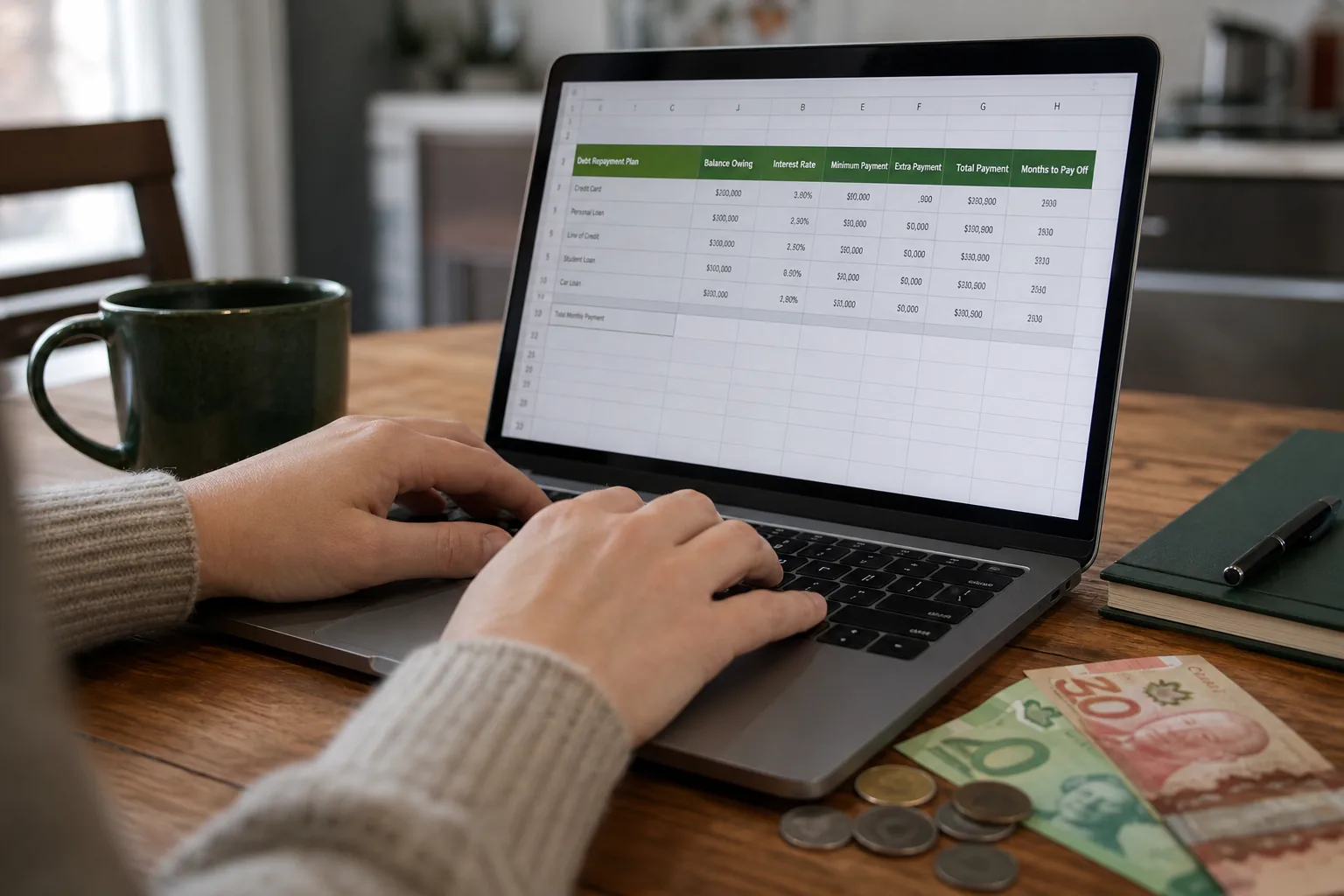
2. Canadian Households in 2026 (CAD, Provinces, Real Life)
Understanding how debt affects Canadian households is crucial as we look to 2026. With the rising cost of living and increasing interest rates, managing debt effectively has become more critical than ever. Let's dive into why the debt avalanche and snowball methods matter for Canadians today and how they can make a tangible impact on household finances.
a. The Cost of Debt in Canada
In 2026, Canadian families are grappling with higher interest rates, impacting their ability to manage debt. The Bank of Canada has continued to adjust rates in response to inflation, making it more expensive for households to carry credit card balances. High-interest debt, often found in credit cards with rates upwards of 20%, can quickly spiral out of control if not managed properly. The Financial Consumer Agency of Canada (FCAC) provides guidance on budgeting and debt management, emphasizing the importance of tackling high-interest debts first. Their budgeting guide is a valuable resource for families seeking to regain control of their finances.
b. Common Mistakes to Avoid
One of the biggest mistakes Canadian families make is underestimating the impact of interest rates over time. Many continue making minimum payments on high-interest credit cards, which barely cover the interest and do little to reduce the principal. Another common error is failing to prioritize debts effectively. The debt avalanche method, which focuses on paying off debts with the highest interest rates first, is often recommended by financial advisors at major Canadian banks like TD and RBC. However, some families find the snowball method, which targets the smallest balances first for psychological wins, more motivating.
c. Practical Steps for Families
For a busy parent in Toronto or Montréal, taking practical steps this week can set the stage for a more secure financial future. Start by reviewing your current debts and interest rates. Determine which method—avalanche or snowball—fits your lifestyle and financial situation. Utilize tools like Klyrr to track your spending and identify areas where you can cut back. For example, snapping a receipt for an $85 grocery run or a $62 gas fill-up helps keep track of spending in real-time. This immediate visibility into your finances allows you to allocate more funds toward debt repayment.
d. Inflation and Its Impact
Inflation continues to affect household budgets across Canada, making it more challenging to stretch each dollar. With the cost of essentials like groceries and gas rising, families must be more strategic in their spending. The debt avalanche method can be particularly beneficial in this environment as it minimizes the amount of interest paid over time, freeing up funds for other necessities.
e. Free Tools for Debt Management
With the shutdown of Mint, Canadians are seeking new tools to manage their finances. Klyrr offers a seamless way to track spending and automate budget insights, eliminating the need for cumbersome spreadsheets. By connecting your bank for automatic sync, you have a comprehensive view of your financial picture, making debt management more straightforward. For those who prefer not to connect their bank, snapping receipts at checkout provides a manual but effective alternative.
In conclusion, understanding and implementing debt management strategies like the avalanche and snowball methods are crucial for Canadian households aiming for financial stability in 2026. For more personalized advice, visit Klyrr to explore how its features can help manage your finances, or check out Chat Klyrr for quick financial insights.
3. Video: Snowball vs Avalanche: Best Way to Pay Off Debt in Canada
Watch this overview, then apply the steps below with your own receipts and accounts.

4. Trusted Sources (CRA, Canada.ca, Banks, FCAC)
When navigating the complex world of debt repayment, especially in the context of the debt avalanche versus snowball methods in Canada, it's crucial to rely on trusted sources. Canadian households can significantly benefit from understanding the official guidelines and recommendations from reputable institutions such as the Financial Consumer Agency of Canada (FCAC), Canada Revenue Agency (CRA), and major banks like TD, RBC, and Scotiabank. These organizations provide reliable information that can guide you in making informed decisions about your financial health.
a. FCAC's Guidance on Debt Repayment
The Financial Consumer Agency of Canada emphasizes the importance of creating a comprehensive budget to manage debt effectively. The agency suggests that Canadians should prioritize high-interest debt first, which aligns with the debt avalanche method. This approach focuses on paying off debts with the highest interest rates first, thereby reducing the total interest paid over time. The FCAC provides tools and resources to help Canadians create budgets that reflect their financial goals and obligations, emphasizing the importance of understanding the cost of debt and the benefits of strategic repayment.
b. Insights from Major Canadian Banks
Major Canadian banks like TD, RBC, and Scotiabank offer tailored advice and tools for debt management. TD Bank, for instance, provides insights on how the debt avalanche can save money on interest over time by targeting the most costly debts first. Meanwhile, RBC offers resources to help customers understand their debt load and choose the right repayment strategy based on their personal financial situation. These banks often recommend using their financial advisors to develop personalized debt repayment plans, emphasizing the importance of aligning repayment strategies with individual financial circumstances.
c. The Role of Canada Revenue Agency (CRA)
The Canada Revenue Agency plays a crucial role in helping Canadians understand the tax implications of debt repayment. While the CRA does not directly advise on debt repayment strategies, understanding how your debt affects your taxable income is essential. For example, if you're using savings from a Tax-Free Savings Account (TFSA) to pay down debt, it's vital to know how withdrawals affect your contribution room. The CRA provides detailed guidelines on managing and reporting income and deductions, which can impact your overall debt strategy.
d. Practical Steps for Busy Canadians
For busy parents in Toronto or Montréal, practical steps can make a significant difference in managing debt. Start by connecting your bank for automatic transaction sync, which allows you to track spending effortlessly and identify areas where you can cut back. Snapping receipts at checkout for cash spending can complement this by ensuring no expense goes unnoticed. For instance, capturing a $85 grocery run or a $62 gas fill-up helps maintain a real-time view of your budget, making it easier to allocate funds towards debt repayment.
e. How Inflation Impacts Debt Repayment
According to the Bank of Canada, inflation can affect household budgets and debt repayment strategies. As living costs rise, allocating more of your budget towards debt repayment might become challenging. Understanding these inflationary pressures can help Canadians adjust their repayment strategies, ensuring they continue to prioritize high-interest debts even when budgets are tight.
f. Free Tools Post-Mint Era
With Mint no longer available, Canadians can turn to free tools offered by the FCAC and banks to manage their finances. These tools can help create budgets, track spending, and develop debt repayment plans. Moreover, Klyrr offers a suite of features, including automatic bank sync and receipt snapping, to help Canadians manage their money efficiently. For quick financial questions, Chat Klyrr provides a public AI-powered assistant that offers educational guidance.
By leveraging these trusted sources and tools, Canadians can navigate debt repayment more confidently, ensuring they make informed decisions that align with their financial goals.
5. Practical Strategies with Real CAD Examples (Part 1)
a. Understanding the Debt Avalanche Method
The debt avalanche method involves prioritizing your debts by interest rate. Start by focusing on the debt with the highest interest rate, making minimum payments on all other debts. Once the highest-interest debt is paid off, move to the next highest. This method can save you a significant amount on interest over time. For example, if you have a credit card with a 19.99% interest rate and a balance of $3,000, paying it off first can save hundreds in interest compared to paying off a $1,500 debt with a lower interest rate of 10%. The Financial Consumer Agency of Canada (FCAC) recommends this method for Canadians looking to minimize interest costs.
b. The Snowball Method: Building Momentum
In contrast, the snowball method involves paying off your smallest debts first, regardless of the interest rate. This approach provides quick wins and psychological motivation, which can be crucial for maintaining momentum. Imagine paying off a $500 store credit card balance quickly and experiencing the satisfaction of eliminating a debt. This boost can help motivate you to tackle larger debts, such as a $2,500 car loan or a $5,000 line of credit. Many Canadians find this method aligns with their financial behavior, providing the motivation needed to stay on track.
c. Real-World Example: A Busy Parent in Toronto
Consider a busy parent in Toronto juggling multiple debts: a $7,000 student loan at 5%, a $3,000 credit card at 19.99%, and a $1,000 personal loan at 8%. Using the avalanche method, they would focus on the credit card first, potentially saving significant interest in the long run. With the snowball method, they would pay off the personal loan first, gaining a sense of achievement quickly. Each method has its merits, and choosing the right one depends on personal financial habits and psychological preferences.
d. Inflation and Its Impact on Debt Strategies
Inflation affects purchasing power, making it crucial to address debt efficiently. In 2026, inflation in Canada could increase the cost of living, influencing how Canadians manage their budgets and debts. The Bank of Canada highlights the importance of considering inflation in financial planning, which might make the debt avalanche method more appealing due to its interest-saving benefits.
e. Practical Steps to Implement These Strategies
For those ready to tackle their debt, start by listing all debts, their interest rates, and balances. Use a budget planner from Canada.ca to organize your finances. If you choose the avalanche method, calculate how much extra you can pay towards your highest-interest debt. For the snowball method, find quick wins with smaller debts. Tools like Klyrr can help track your progress by syncing with your bank accounts, offering a clear picture of your financial situation. Learn more about how Klyrr works.
f. Why Bank Connection Matters
Connecting your Canadian bank accounts for automatic sync is crucial for both methods. It allows you to see every transaction, helping you stay accountable and adjust your strategy as needed. Unlike manual spreadsheet budgeting, which can be time-consuming and error-prone, platforms like Klyrr offer real-time updates and insights, making debt management more manageable.
g. Complementing Bank Sync with Receipt Snapping
While bank sync captures digital transactions, snapping receipts at checkout ensures you're also tracking cash spending. This habit can be particularly useful for tracking discretionary expenses, such as an $85 grocery run or a $62 gas fill-up, which might otherwise go unnoticed. By combining these two methods, you can gain a comprehensive view of your spending patterns.
h. Common Mistakes to Avoid
The biggest mistake Canadian families make is failing to stick to their chosen method. Whether opting for avalanche or snowball, consistency is key. Avoid taking on new debt while paying off existing balances, and resist the temptation to dip into savings for unnecessary expenses.
i. The Role of Communication in Debt Management
For couples, open communication about debt management strategies is essential. Discuss which method aligns with your financial goals and agree on a plan. Regularly reviewing your progress together can prevent misunderstandings and keep you both motivated.
j. How Klyrr Helps Canadians Tackle Debt
Klyrr offers tools that make debt management easier. With Chat Klyrr, you can ask questions about your debt strategy and receive educational insights. It's a public Canadian personal-finance AI available at Chat Klyrr. For those ready to dive deeper into their finances, sign up for Klyrr to take advantage of bank sync, budgets, and family sharing tools, helping you stay on top of your debt reduction journey.
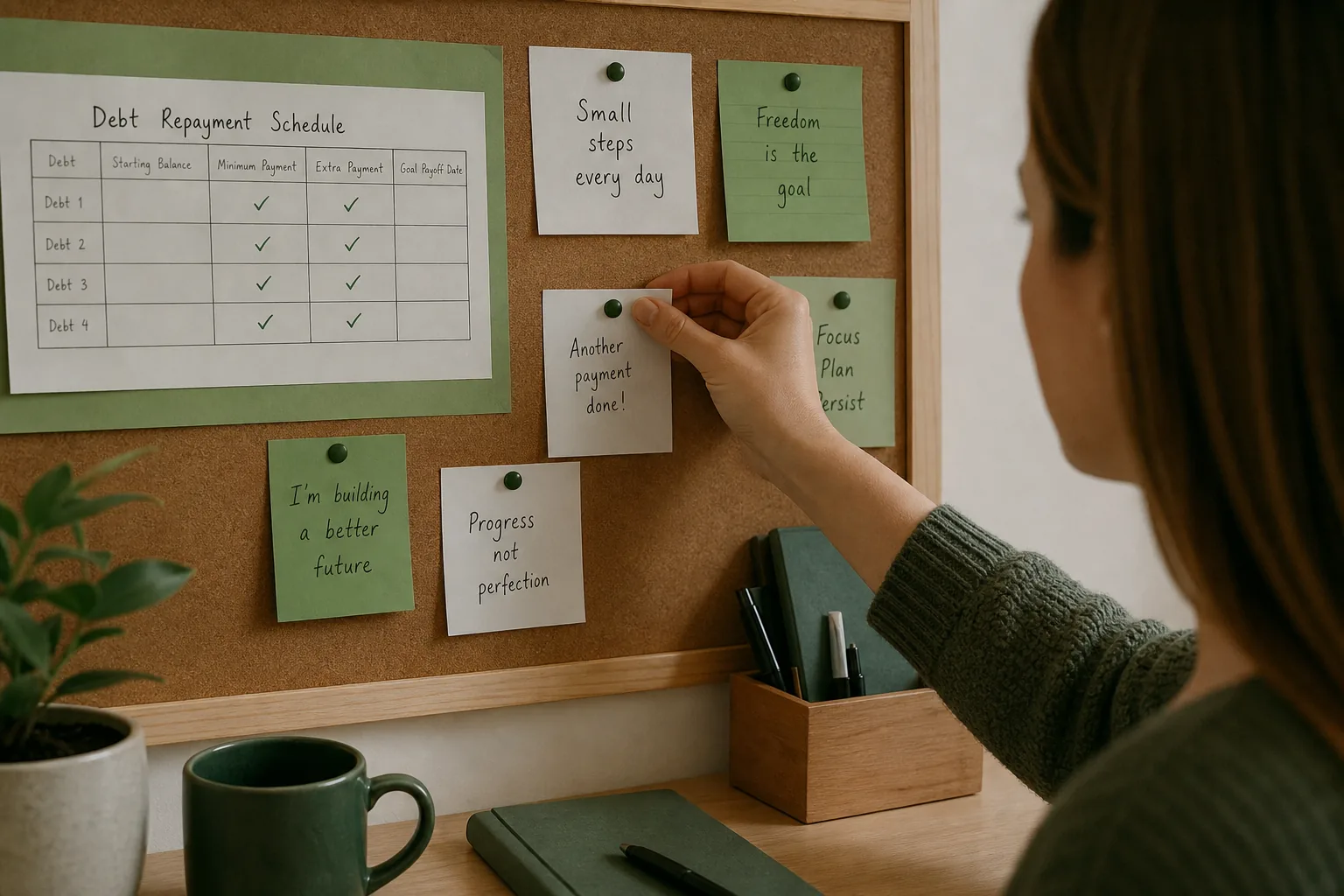
6. Next-dollar priorities, habits, and a week-by-week plan (Part 2)
a. Prioritizing High-Interest Debt
When tackling debt, understanding the difference between the avalanche and snowball methods is crucial for Canadian households. The debt avalanche method focuses on paying off the highest-interest debt first, while the snowball method targets the smallest balance first. According to Financial Consumer Agency of Canada (FCAC), prioritizing high-interest debt, such as credit card debt, can save more money in interest over time, making the avalanche method a smart choice for long-term savings.
b. Creating a Realistic Weekly Plan
To effectively manage your debt, establish a weekly plan that aligns with your budget. For example, if you're a busy parent in Toronto, set aside $100 each week to tackle your credit card debt. Begin by snapping a photo of every receipt from your $85 grocery run or $62 gas fill-up. This habit not only helps track spending but also ensures your budget stays on course. Use Canada.ca's budgeting tools to monitor your progress.
c. Habit Formation: Pay, Snap, Understand
Developing strong financial habits is key to debt management. Embrace the "Pay → Snap → Understand" habit with every purchase. This simple action keeps your spending transparent and your budgeting accurate. Whether you're grabbing coffee at Tim Hortons or picking up essentials at Costco, snapping receipts ensures no expense goes unnoticed, complementing automatic bank transaction sync.
d. Leveraging Technology for Debt Management
Technology can significantly simplify debt management. Connecting your bank account for automatic sync provides a comprehensive view of your financial situation without the need for tedious monthly spreadsheet updates. Tools like Klyrr offer secure bank connections via Plaid, enabling you to track up to 24 months of financial history and daily expenses with ease. This approach offers a more accurate depiction of your financial position, allowing you to make informed decisions about debt repayment.
e. Canadian Banks' Advice on Debt Repayment
Major Canadian banks like TD, RBC, Scotiabank, BMO, and CIBC typically advise customers to focus on high-interest debts first. This aligns with the avalanche method, as paying off these debts can reduce overall interest payments. For personalized advice, consider speaking with a financial advisor at your bank to discuss strategies tailored to your financial situation.
f. Inflation's Impact on Debt Repayment
In 2026, inflation continues to impact Canadian households, influencing purchasing power and cost of living. As prices rise, it becomes increasingly important to manage debt effectively. Prioritizing high-interest debt reduction can provide more room in your budget to accommodate these changes. The Bank of Canada offers insights into how inflation affects household expenses, which can guide your financial planning.
g. Common Mistakes and How to Avoid Them
One common mistake Canadian families make is underestimating the impact of interest rates on long-term debt. Focusing solely on the smallest balance, as in the snowball method, can lead to higher overall costs. Avoid this by calculating the total interest saved through the avalanche method. Utilize tools like the FCAC's budget planner to forecast and track your debt repayment progress.
h. Questions for Couples to Discuss
When managing shared finances, couples should regularly discuss their spending habits and debt repayment strategies. Questions to consider include: "How can we reduce unnecessary expenses?" "What are our shared financial goals?" and "How can we support each other in maintaining these habits?" Open communication can prevent misunderstandings and foster a collaborative approach to financial health.
i. Free Tools for Post-Mint Canadians
With the departure of Mint, many Canadians are searching for free budgeting tools. Klyrr offers a robust alternative, providing features like budget tracking, secure bank syncing, and AI-driven insights. For quick financial questions, Canadians can use Chat Klyrr to explore personal finance topics anonymously. Sign up for Klyrr to access comprehensive budgeting tools and family finance management.
j. How Klyrr Helps with Debt Management
Klyrr simplifies the debt management process by offering tools that integrate seamlessly into your daily routine. With features like automatic bank syncing and receipt snapping, Klyrr ensures you have a clear understanding of your financial landscape. Utilize Klyrr's in-app AI assistant for personalized advice, or explore Chat Klyrr for general questions. Sign up at Klyrr to take control of your debt and financial future.
7. English + French Terms Canadians Search (TFSA/CELI, RRSP/REER, FHSA/CELIAPP)
When it comes to managing debt and financial planning, Canadian households often encounter a unique set of terms that are crucial to understanding their financial landscape. In Canada, the interplay between English and French terms for financial products can sometimes lead to confusion, especially when it comes to debt management strategies like the debt avalanche and snowball methods. A clear understanding of these terms is vital for Canadians aiming to maximize their financial health.
a. Understanding Common Financial Terms
In Canada, the Tax-Free Savings Account (TFSA) is known as the Compte d’épargne libre d’impôt (CELI) in French. This account allows for tax-free growth of savings, making it an essential tool for Canadians looking to save efficiently. Similarly, the Registered Retirement Savings Plan (RRSP) is called the Régime enregistré d’épargne-retraite (REER), and it's a cornerstone for retirement savings. For first-time homebuyers, the First Home Savings Account (FHSA) or Compte d’épargne libre d’impôt pour l’achat d’une première propriété (CELIAPP) offers an advantageous way to save for a down payment.
Understanding these bilingual terms is crucial when discussing debt strategies. For instance, when considering how to apply savings from a TFSA/CELI to debt repayment, it's important to know how these accounts work in both languages. The Government of Canada's TFSA guide provides detailed information on contribution limits and tax implications.
b. The Role of Bilingual Terms in Debt Management
Both the debt avalanche and snowball methods can benefit from the strategic use of these accounts. The debt avalanche method, which prioritizes paying off high-interest debt first, can be complemented by using tax refunds or savings from a TFSA/CELI to make significant payments. On the other hand, the snowball method, which focuses on paying off smaller debts first to build momentum, can leverage smaller, more frequent contributions from an RRSP/REER.
Banks like TD and RBC offer advice tailored to these strategies, often highlighting the importance of understanding how savings accounts can be used to facilitate debt repayment. For example, using a TFSA/CELI to save interest on high-cost credit card debt is a common recommendation. The Financial Consumer Agency of Canada (FCAC) provides tools that can help Canadians prioritize their debt payments effectively.
c. Practical Steps for Canadian Households
For Canadian families, especially busy parents in cities like Toronto or Montréal, understanding these bilingual terms is not just about language; it's about making informed financial decisions. A practical approach might involve using savings from a TFSA/CELI to pay down a $3,000 credit card balance at 19.99% interest, thereby saving significant interest over time. Alternatively, smaller savings from an RRSP/REER could be used to knock out a $500 store card balance, aligning with the snowball method.
Using financial tools like Klyrr, Canadians can track these strategies effectively. Klyrr offers a seamless way to integrate bank transactions and receipt snapping at checkout, ensuring that cash spending doesn't go unnoticed. This approach complements the automatic sync from bank transactions, providing a comprehensive view of spending and savings.
d. How Klyrr Helps
Klyrr makes these complex decisions more manageable by offering tools that cater to both English and French-speaking users. For those with financial questions not yet ready for a full app signup, Chat Klyrr provides a public, bilingual AI chat option to explore personal finance questions anonymously. For a more integrated experience, signing up for Klyrr allows users to connect their bank accounts for automatic sync, create budgets, and share financial insights with family members.
By understanding both the English and French terms for financial products, Canadians can better navigate debt repayment strategies and take full advantage of their savings opportunities. Whether managing a $85 grocery run or adjusting for a $62 gas fill-up, knowing how to leverage TFSAs/CELIs and RRSPs/REERs can make a significant difference in achieving financial goals.
8. Bank Sync, Receipt Snap, and Why Spreadsheets Fail
a. Automated Bank Sync: A Game-Changer for Debt Management
In Canada, the debate between the debt avalanche and snowball methods often centers on prioritizing high-interest debt. But how can you effectively track these debts and ensure repayment without drowning in manual finance tracking? This is where automated bank sync comes into play. By linking your Canadian bank accounts, such as those from TD, RBC, Scotiabank, BMO, and CIBC, you can automatically sync up to 24 months of transaction history. This gives you a real-time view of your spending and debt balances without the tedious task of manually updating spreadsheets.
Automated bank sync allows you to see every transaction, from a $62 gas fill-up at Petro-Canada to a $120 grocery run at Loblaws. This transparency helps you identify patterns in your spending that might be contributing to debt, such as recurring subscriptions or frequent dining out expenses. According to the Financial Consumer Agency of Canada, keeping an updated budget is crucial, and bank sync is a powerful tool that simplifies this process.
b. Why Receipt Snapping Complements Digital Transactions
While bank sync captures digital transactions, receipt snapping offers a solution for cash purchases or when you prefer not to connect certain accounts. After paying for items, you can snap a photo of the receipt with your smartphone. This method ensures even your cash spending is accounted for, providing a complete financial picture.
For example, snapping a receipt for a $15 coffee run at Tim Hortons or a $45 pharmacy purchase at Shoppers Drug Mart ensures these expenses are not missed. This practice aligns with the "Pay → Snap → Understand" behavior, making it easier to integrate cash transactions into your overall budget. The Bank of Canada highlights that understanding your spending is critical, especially as inflation affects purchasing power.
c. The Shortcomings of Spreadsheet Budgeting
Despite their popularity, spreadsheets can be overwhelming and time-consuming. They require regular manual updates, which can be a significant burden for busy parents trying to manage household finances. Moreover, spreadsheets often lack the dynamic capability to track real-time changes in your financial situation, which can be crucial when managing multiple debts.
Spreadsheets also fall short in providing actionable insights. While you can calculate totals and averages, they don't offer guidance on optimizing your debt repayment strategy, whether you choose the debt avalanche or snowball method. For practical steps on how to make your next dollar count, Klyrr offers a helpful guide that explains how AI can assist with budget recommendations based on your spending habits.
d. How Klyrr Helps Canadians Manage Debt
Klyrr offers a unique solution by integrating automated bank sync and receipt snapping into its platform, eliminating the need for cumbersome spreadsheets. This approach not only saves time but also ensures accuracy in tracking your finances.
For those with questions about managing debt or optimizing repayment strategies, Chat Klyrr provides a public AI chat service where Canadians can ask financial questions anonymously. This is distinct from the in-app assistant that offers personalized insights based on your actual transactions. When you're ready to take control of your finances, consider signing up for Klyrr to gain access to comprehensive budgeting tools and family finance features.
By bridging the gap between traditional budgeting methods and modern financial tools, Klyrr empowers Canadians to make informed decisions and effectively manage their debts, whether through the debt avalanche or snowball method.
9. What to Do Today, This Week, and This Month
When tackling debt, adopting a clear action plan is essential. Whether you choose the debt avalanche or snowball method, the key is to establish a routine that prioritizes high-interest debt and maintains momentum. Let's break down what you can do today, this week, and this month to effectively manage your debt using these strategies.
a. Today: Take Stock of Your Debt
Start by gathering all your financial statements to get a comprehensive view of your debt. List each debt, its current balance, interest rate, and minimum payment. This will form the foundation of your debt repayment strategy. Tools like the FCAC's Budget Planner can help you organize this information. If you haven't yet, consider syncing your bank accounts with a financial app like Klyrr to track spending and identify areas where you can cut back.
b. This Week: Choose Your Strategy
Decide whether the debt avalanche or snowball method suits your situation. The debt avalanche method focuses on paying off the debt with the highest interest rate first, which can save you more money over time. Alternatively, the snowball method, where you pay off the smallest debts first, can provide quick wins and boost motivation. Consider your financial and emotional needs to make the best choice for you.
For example, if you have a $5,000 credit card debt at 19.99% interest and a $2,500 personal loan at 7%, the avalanche method suggests focusing on the credit card. If seeing quick progress motivates you more, start with the personal loan using the snowball approach. Bank of Canada data highlights the impact of high-interest rates, reinforcing the urgency of prioritizing such debts.
c. This Month: Implement and Adjust
Begin making extra payments on your chosen target debt. If you opted for the avalanche method, direct any extra funds toward the debt with the highest interest. Use savings from reduced discretionary spending, such as cutting back on dining out or subscription services, to increase your payment amount. For instance, reallocating $50 from your monthly entertainment budget to your debt repayment can accelerate your progress.
Keep monitoring your budget weekly to ensure you're on track. Adjust your spending habits as needed, capturing every expense through receipt snapping at checkout. This will complement your bank transaction sync, ensuring no spending slips through the cracks, especially with cash purchases.
d. Stay Flexible and Review Regularly
Debt repayment is a dynamic process. Regularly review your financial situation and adjust your strategy if necessary. Inflation and changing economic conditions can impact your budget, as highlighted by the Bank of Canada. Stay informed and be prepared to pivot if your circumstances change.
e. How Klyrr Helps
Klyrr offers tools to streamline your debt repayment journey. By connecting your bank, you gain a real-time view of your spending, helping you identify potential savings to redirect toward debt. Additionally, Chat Klyrr provides a platform for immediate financial questions. Whether you're deciding between avalanche or snowball, or need advice on optimizing your budget, Chat Klyrr can offer guidance without the need for a full signup. For deeper insights, including transaction-based advice, consider signing up for the full Klyrr experience.
10. Ten Detailed Questions Canadians Actually Ask
a. What Is the Debt Avalanche Method?
The debt avalanche method prioritizes paying off debts with the highest interest rates first. This strategy can save Canadians significant amounts in interest charges over time, especially with high-interest credit cards often carrying rates of 19% or more. By focusing on these expensive debts first, you reduce the total interest paid and can become debt-free faster. The Financial Consumer Agency of Canada (FCAC) supports strategies that minimize interest costs, making the debt avalanche an attractive option for many Canadians.
b. How Does the Debt Snowball Method Work?
The debt snowball method involves paying off your smallest debts first, regardless of interest rate. This approach can be psychologically motivating, as eliminating smaller debts provides quick wins and builds momentum. Many Canadians find this method beneficial because it can create a strong sense of accomplishment, which encourages continued progress. However, it may not be the most cost-effective approach if larger debts have high interest rates.
c. Which Method Saves More Money in Canada?
Generally, the debt avalanche method will save more money on interest in the long run, particularly for Canadians with high-interest debts like credit cards. However, the debt snowball method may be more effective for those who need motivation and immediate gratification. The right choice depends on your personal financial situation and mindset. The Bank of Canada notes that interest costs can significantly impact household budgets, emphasizing the importance of choosing the right debt repayment strategy.
d. What Are Common Mistakes Canadians Make with These Methods?
One common mistake is not sticking to the chosen method long enough to see meaningful results. Additionally, some Canadians might neglect to create a budget or track their spending, making it difficult to allocate extra funds towards debt repayment. It's also crucial to avoid accumulating new debt while paying off existing balances. Resources like the FCAC's budget planner tool can help Canadians track their finances more effectively.
e. How Do Canadian Banks Advise on Debt Repayment?
Major Canadian banks like TD, RBC, Scotiabank, BMO, and CIBC often recommend strategies tailored to individual circumstances. Many banks offer financial advisors who can help create a personalized debt repayment plan. Banks may also provide budgeting tools and resources to help manage debts, emphasizing the importance of reducing high-interest debt first.
f. How Can a Busy Parent in Toronto Tackle Debt This Week?
A busy parent in Toronto can start by reviewing their monthly expenses and identifying areas to cut back, such as dining out or subscription services. Using a budgeting app like Klyrr can streamline this process by automatically syncing bank transactions and categorizing expenses. Parents can then apply any savings towards their highest-interest debt, aligning with the debt avalanche method.
g. How Does Inflation Impact Debt Repayment in Canada?
Inflation can increase the cost of living, making it more challenging for Canadians to allocate extra funds towards debt repayment. As prices for essentials like groceries and transportation rise, it's crucial to adjust your budget and prioritize debt repayment to prevent interest from accumulating further. The Bank of Canada provides insights into how inflation affects household finances.
h. What Free Tools Are Available for Canadians Post-Mint?
Since Mint's departure from the Canadian market, alternatives like Klyrr have emerged. Klyrr offers features such as secure bank connections via Plaid, receipt snapping, and an AI assistant to help manage finances without the need for spreadsheets. These tools can assist Canadians in budgeting and tracking their debt repayment progress efficiently.
i. What Should Couples Discuss About Debt Repayment?
Couples should discuss their combined debts, interest rates, and monthly payments. It's essential to agree on a shared strategy, whether it's the debt avalanche or snowball method, and set mutual goals. Open communication about spending habits and financial priorities can help prevent conflicts and ensure consistent progress.
j. Can Chat Klyrr Help with Debt Questions?
Yes, Chat Klyrr can answer general questions about debt repayment strategies and provide educational insights. While it's not a substitute for personalized financial advice, it can be a helpful resource for Canadians looking to understand debt management better. For personalized budgeting and tracking, signing up for Klyrr provides access to tools like bank sync and family finance files.
11. Secure Bank Connect, Chat Klyrr, AI Insights, and Your Free Next Step
Navigating the world of debt management can be daunting, especially when deciding between the debt avalanche and snowball methods. Klyrr offers tailored solutions to help Canadian households make informed decisions and achieve financial freedom. Here's how Klyrr can support you in tackling debt.
a. Connect Your Bank for Real-Time Insights
One of the key features of Klyrr is the ability to connect your Canadian bank accounts securely via Plaid. This allows for automatic synchronization of up to 24 months of transaction history, offering a comprehensive view of your spending habits. This seamless integration means you can see every transaction without the hassle of manual entry or downloading CSV files. With this real-time data, you can better prioritize which debts to tackle first, whether you're leaning towards the debt avalanche method, which focuses on paying off high-interest debts first, or the snowball method, which starts with the smallest balances.
b. Utilize Chat Klyrr for Instant Advice
When you have questions about your debt strategy or any other financial concern, Chat Klyrr is your go-to resource. This public Canadian personal-finance AI is available to answer your questions anonymously and bilingually. Chat Klyrr provides educational insights, helping you understand the implications of your debt payoff choices without offering tax or legal advice. Remember, Chat Klyrr is distinct from the in-app assistant, which offers personalized advice based on your actual transactions.
c. Leverage AI Insights for Smart Budgeting
Klyrr's AI-powered insights go beyond simple transaction tracking. The app analyzes your spending patterns and offers personalized advice on how to allocate your next dollar effectively. For instance, if you're trying to decide whether to put extra funds toward your credit card debt or save for an emergency fund, Klyrr can provide data-driven recommendations tailored to your financial situation. This feature is particularly useful in Canada, where inflation and interest rates can significantly impact your budgeting decisions Bank of Canada.
d. Take the Next Step Towards Financial Freedom
Ready to take control of your finances? Signing up for Klyrr is a straightforward process that can have a profound impact on your financial well-being. By joining Klyrr today, you'll gain access to a suite of tools designed to make managing money simpler and more effective. Whether you're snapping receipts at checkout or syncing your bank accounts for a holistic view, Klyrr is here to help you achieve your financial goals.
By integrating these powerful tools into your daily routine, you can make informed decisions, reduce financial stress, and ultimately conquer your debt. Remember, the journey to financial freedom starts with a single step, and Klyrr is here to guide you every step of the way.
12. Quick comparison: old way vs Klyrr way
| Approach | Effort | Real-time clarity | Family sharing | Cost |
|---|---|---|---|---|
| Spreadsheet only | High — manual entry | No — weeks behind | Difficult | Free but time-consuming |
| Bank app only | Low | Partial — categories limited | Rare | Free |
| Snap receipts + Klyrr | Low — photo at checkout | Yes — same day | Built-in shared files | Free tier |