

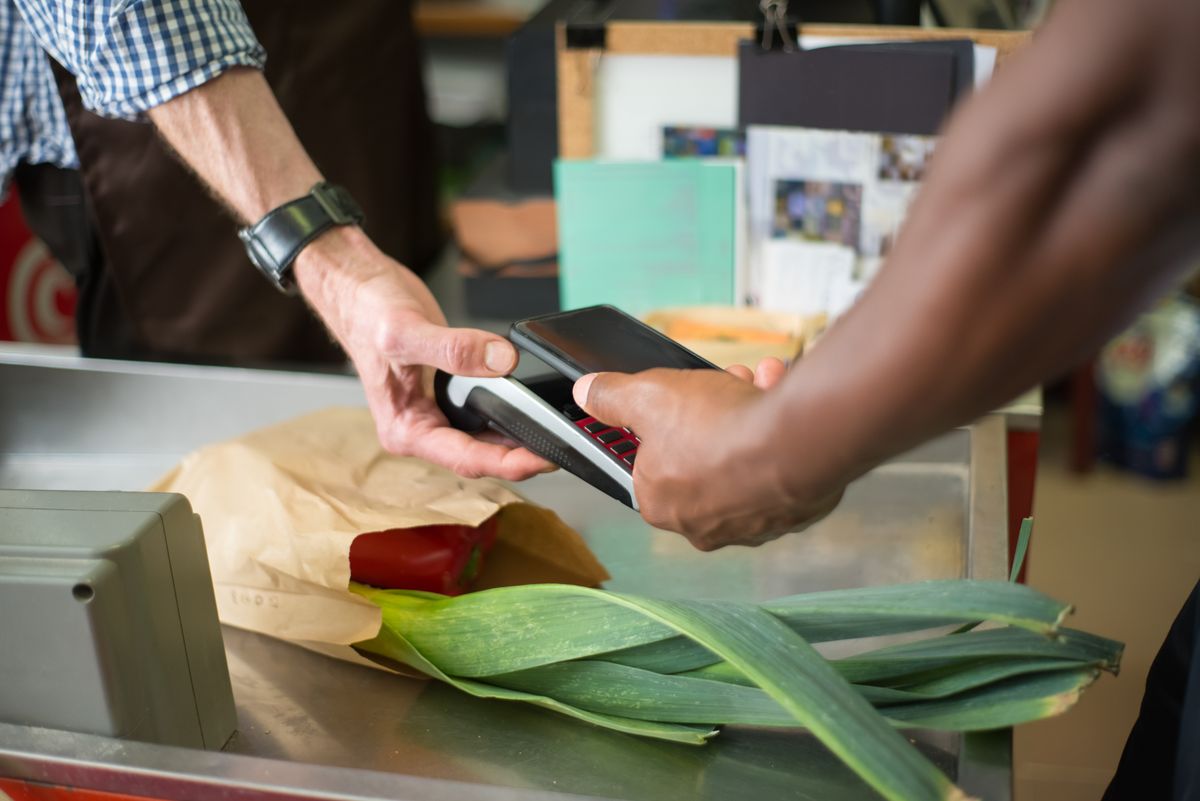
How to Teach Teens Budgeting in Canada: Snap Receipts
Klyrr Team · Jul 16, 2026 · 25 min read
Table of contents
- A Relatable Canadian Moment and Why This Guide Exists
- Video: if you're a teen with over $1,000, watch this video
- Why this matters for Canadian families in 2026
- What Canadian banks and government agencies recommend
- Practical strategies and real CAD examples (Part 1)
- Habits, Tools, and Week-by-Week Plan (Part 2)
- Receipt snapping vs spreadsheets vs bank apps — honest comparison
- Step-by-step: what to do today, this week, and this month
- 10 Detailed questions Canadians actually ask
- Why is it important to teach teens budgeting in Canada?
- How can I introduce my teen to the concept of snapping receipts?
- What are some common mistakes families make when teaching budgeting?
- How much does it typically cost to teach this habit?
- How do Canadian banks like TD and RBC suggest teaching teens about money?
- Does inflation impact how we should teach budgeting to teens?
- What practical steps can parents in Toronto or Montréal take this week?
- How does snapping receipts compare to using spreadsheets or bank apps?
- Can snapping receipts lead to real savings?
- Are there any free tools available for tracking receipts?
- How Klyrr helps and your free next step
- Quick comparison: old way vs Klyrr way
1. A Relatable Canadian Moment and Why This Guide Exists
Picture this: You’ve just wrapped up a busy day at work and now find yourself navigating the bustling aisles of Loblaws in Toronto. Your cart is filled with the week’s groceries, and as you head to the checkout, your teenager is scrolling through their phone, oblivious to the world around them. If only budgeting could captivate their interest as much as TikTok does. This scenario is familiar to countless Canadian parents striving to instill financial literacy in their teens. Teaching your teen to budget doesn’t have to be a daunting task, and snapping receipts can be an effortless first step.
a. The Importance of Early Money Management
According to the Financial Consumer Agency of Canada, educating teens about budgeting is crucial for their financial well-being. Early money management skills can prevent future financial pitfalls and foster a sense of responsibility. Moreover, with inflation impacting household budgets across Canada, as highlighted by the Bank of Canada, there’s never been a more pressing time to ensure your teen understands the value of money.
b. The Common Mistakes Families Make
Many Canadian families fall into the trap of using complex spreadsheets or banking apps that lack intuitive features for teens. The Bank of Canada and the FCAC suggest that practical, hands-on methods, like receipt snapping, can simplify this learning curve. Encouraging your teen to snap a photo of the receipt after every purchase—whether it’s a $10 lunch at Tim Hortons or a $62 gas fill-up—helps them visualize their spending habits instantly.
c. Why This Guide?
This guide exists to provide you with an actionable strategy to teach teens budgeting in Canada, without the need for constant reminders that can feel like nagging. By integrating a simple habit like snapping receipts into your teen’s routine, you make budgeting tangible and immediate. Plus, with free tools available, such as those from Klyrr, you can transform raw data into insightful financial advice tailored to Canadian families.
By the end of this guide, you’ll have the resources you need to empower your teen to take charge of their financial future, one receipt at a time. Let’s make budgeting a shared family journey, not a chore, and help your teen develop smart money habits that will last a lifetime.
2. Video: if you're a teen with over $1,000, watch this video
Watch this overview, then apply the steps below with your own receipts and accounts.
3. Why this matters for Canadian families in 2026
In 2026, teaching teens about budgeting is more crucial than ever for Canadian families. With the rising costs of living, fuelled by inflation, understanding how to manage money is a skill that can set your children on the path to financial stability. According to the Bank of Canada, inflation affects household purchasing power, making it essential to equip young Canadians with the tools to budget effectively. The Financial Consumer Agency of Canada (FCAC) emphasizes the importance of creating and adhering to a budget as a cornerstone of financial literacy.
a. The impact of rising costs
Inflation has become a significant concern for Canadian households, with everyday expenses like groceries and gas seeing substantial increases. A typical grocery run can easily cost $85, while filling up the gas tank might set you back $62 or more. These rising costs underscore the importance of budgeting skills for teens, who will soon be managing their own expenses. By teaching teens to snap receipts right after purchases, families can foster a habit of immediate accountability and reflection on spending patterns.
b. Mistakes to avoid when teaching budgeting
One of the biggest mistakes Canadian families make is not involving their teens in everyday financial decisions. Many parents keep financial matters private, inadvertently missing teachable moments. It's crucial to engage teens in discussions about family budgets and expenses. For example, discussing how a $68 gas fill-up fits into the monthly transport budget can provide valuable insights into real-life financial management. Additionally, relying solely on end-of-month spreadsheet reviews can be overwhelming and ineffective for young minds. Instead, the instant feedback from snapping receipts provides a tangible connection between spending and budgeting.
c. Practical steps for busy parents
For parents in bustling cities like Toronto or Montréal, finding the time to teach budgeting can be challenging. However, practical steps like incorporating receipt snapping into daily routines can make a difference. Encourage your teen to snap a photo of every receipt, whether it's from a $12 coffee run at Tim Hortons or a $45 trip to Shoppers Drug Mart. This creates a digital trail of their spending, making it easier to review and discuss their habits. Furthermore, using tools like Klyrr can simplify the process by automatically categorizing expenses and offering insights into spending patterns. Start free with Klyrr to see how easy it can be to incorporate financial education into your family's routine.
d. The benefits of receipt snapping over traditional methods
Receipt snapping offers immediate clarity, unlike traditional month-end spreadsheet reviews that can feel like a chore. By capturing expenses at the moment, teens can quickly learn the impact of their spending decisions. This method also combats the common issue of lost or forgotten receipts, ensuring that all transactions are accounted for. As a result, teens develop a proactive approach to managing their finances, making them better equipped to handle real-world financial challenges.
In summary, teaching teens to snap receipts is not just about tracking expenses—it's about instilling lifelong financial habits. By integrating this simple yet effective practice into daily life, Canadian families can empower their teens to navigate the complexities of modern financial landscapes with confidence and competence.

4. What Canadian banks and government agencies recommend
Teaching teens about budgeting is a vital step in preparing them for financial independence. Both Canadian banks and government agencies offer valuable insights and recommendations for this important task. Understanding these can help parents effectively engage their teens in financial literacy.
a. Government insights on budgeting for teens
The Financial Consumer Agency of Canada (FCAC) emphasizes the importance of creating a budget as a foundational skill for teens. The agency suggests utilizing budget planning tools to help teens understand income, expenses, and savings. These tools can visually demonstrate how small, everyday expenses, like a $7 coffee or a $15 lunch, add up over time, encouraging teens to think critically about their spending habits.
Another significant recommendation from the FCAC is setting realistic financial goals. Encouraging teens to save for specific goals, such as saving $200 for a new gadget, can make budgeting more tangible and rewarding. These practical steps help teens see the value in budgeting early on.
b. Bank recommendations for teen budgeting
Canadian banks such as TD, RBC, and Scotiabank provide tailored advice to help parents teach teens about budgeting. According to TD Bank's personal finance hub, one effective method is to involve teens in family budget discussions. This can include reviewing grocery expenses or planning for upcoming family outings. For instance, explaining how a $85 grocery run at Loblaws fits into the weekly budget can foster a deeper understanding of household finances.
RBC's Advice Centre also recommends opening a youth account to give teens hands-on experience with managing money. This can be coupled with monitoring their spending through mobile banking apps, where they can track their daily expenses, like a $62 gas fill-up, in real time.
c. Practical steps for parents in Toronto or Montréal
Parents in busy urban centres like Toronto or Montréal can employ several strategies to teach teens about budgeting. One practical approach is setting up a weekly "budget review" session. During this time, families can gather receipts from places like Metro or Jean Coutu and discuss how these purchases impact the overall budget. This practice can help teens see the immediate effects of their spending choices.
Moreover, introducing receipt snapping as a habit can replace the cumbersome task of end-of-month reconciliation. By snapping a photo of each receipt right after a purchase, teens can maintain an accurate record of their spending without the hassle of spreadsheets. This method is particularly effective in tracking variable costs, such as dining out or entertainment, and aligns with Klyrr's core habit of Pay → Snap → Understand.
d. Addressing inflation and its impact
Inflation remains a critical factor influencing budgeting habits in Canada. The Bank of Canada notes that rising costs can significantly affect household budgets, making it essential for teens to understand its impact. By discussing how inflation can increase the cost of everyday items, such as a $5 increase in grocery bills due to rising food prices, parents can highlight the importance of budgeting in maintaining financial stability.
e. Encouraging independent financial habits
Equipping teens with the skills to manage their finances independently is crucial. Encouraging them to use budgeting apps like Klyrr can help them track their spending patterns and develop healthy financial habits. As they grow more comfortable with these tools, teens can begin to set and achieve their financial goals, laying the foundation for a financially secure future.
Incorporating these recommendations and strategies can make the process of teaching teens budgeting in Canada both effective and engaging. By leveraging the resources and advice from Canadian banks and government agencies, parents can help their teens develop a strong financial acumen that will serve them well into adulthood.
5. Practical strategies and real CAD examples (Part 1)
Teaching teens about budgeting in Canada can be a rewarding experience when approached with the right strategies. Here are some practical methods that parents in Toronto, Montréal, and beyond can implement to help their teens develop healthy money habits.
a. Start with Real-World Scenarios
One of the most effective ways to teach teens budgeting is to involve them in real-world scenarios. For instance, during your next grocery run at Loblaws or Costco, encourage your teen to snap the receipt using the Klyrr app. This habit not only helps them understand the cost of everyday items but also allows them to see a breakdown of spending categories in real time. For example, a typical $85 grocery run might include $25 on fresh produce, $20 on dairy, and $40 on other essentials. This exercise can provide insight into budgeting and the importance of tracking expenses.
b. Encourage Responsibility with Gas and Transport
Gas prices in Canada can fluctuate, making it an excellent opportunity to teach teens about budgeting for transportation. If your teen is driving or using public transport, have them snap receipts or track expenses with Klyrr after filling up at Petro-Canada or Esso. A $62 gas fill-up might seem trivial, but over time, these expenses add up, and seeing the cumulative cost can be eye-opening for a teen. Resources like the Bank of Canada provide insights into how inflation affects fuel prices, which is valuable information for young drivers.
c. Discuss Subscription and Digital Spending
Teens today often have subscriptions to streaming services like Spotify or Netflix. Encourage them to track these recurring expenses using Klyrr's subscription detection feature. According to the Financial Consumer Agency of Canada, understanding recurring costs is crucial for managing a budget. By identifying a $10 monthly subscription and seeing its annual impact of $120, teens can learn about the long-term effects of seemingly small expenses.
d. Implement a Weekly Budget Review
Set aside time each week to review spending with your teen. Use Klyrr's AI Assistant to ask questions like "How much did we spend on dining out this month?" This practice helps teens develop a habit of regular financial reflection, which can prevent overspending. The RBC Advice Centre also emphasizes the importance of regular budget reviews as a best practice in financial management.
e. Use Free Tools for Enhanced Learning
With the shutdown of Mint, Canadians are seeking new ways to manage their finances. Klyrr offers a free platform where teens can snap receipts and get AI-driven insights without needing a credit card. This tool is particularly beneficial for visual learners who prefer seeing their spending patterns rather than reading through spreadsheets. Learn more about how Klyrr can help your family at Klyrr.
f. Address Inflation and Its Impact
Inflation impacts the purchasing power of Canadian families and can be a great teaching point about the economy. Encourage your teen to read up on how inflation affects prices and budgeting through trusted sources like the Bank of Canada. Understanding these concepts can help them appreciate why budgeting is an essential life skill, especially in fluctuating economic conditions.
By integrating these strategies, teens can develop a practical understanding of budgeting that will serve them well into adulthood. Stay tuned for Part 2, where we'll delve deeper into advanced strategies and more real-world examples for teaching teens effective budgeting in Canada.

6. Habits, Tools, and Week-by-Week Plan (Part 2)
Teaching teens effective budgeting skills in Canada can often be a daunting task. However, instilling practical habits, using innovative tools, and following a structured week-by-week plan can make this journey smoother and more engaging for both you and your teen.
a. Building the Habit: Why Snap at Checkout?
Encouraging your teen to snap their receipts right after paying can create a powerful habit that demystifies spending. This quick action, whether at a Loblaws grocery store or a Petro-Canada gas station, allows real-time tracking and categorization of their expenses. According to the FCAC, tracking spending is a foundational step in maintaining a healthy budget. Instead of waiting for month-end bank statements, snapping receipts provides immediate insight into daily spending habits, helping prevent overspending.
b. Week 1: Introduction to Budgeting
Start by discussing the importance of budgeting. Introduce your teen to the concept of needs versus wants. A practical exercise could involve categorizing a recent $85 grocery run into essentials like fruits and vegetables versus extras like snacks. Use tools like the Canada.ca Budget Planner to create a simple budget with your teen.
c. Week 2: Setting Up the Tools
Introduce your teen to budgeting apps like Klyrr, which allows for snapping receipts and tracking expenses effortlessly. Explain how these tools can categorize expenses, provide visual spending insights, and offer AI-driven advice. Encourage them to snap receipts from places like Tim Hortons or Dollarama to see where their money goes.
d. Week 3: Exploring Spending Patterns
Analyze the spending patterns from the first two weeks. Discuss any surprising trends, such as frequent $62 gas fill-ups, which might indicate opportunities for saving. The Bank of Canada notes that understanding inflation's impact can help adjust budgets accordingly. Encourage your teen to consider how inflation might affect their spending on necessities.
e. Week 4: Fine-Tuning the Budget
Use the insights gained from previous weeks to refine the budget. Work together to set realistic spending limits on different categories like groceries, entertainment, and transportation. Discuss potential areas for cutting back, such as reducing the frequency of takeout or finding cheaper alternatives for regular purchases. Encourage your teen to ask questions like, "How much did I spend on dining out this month?" and use smart search tools in Klyrr to find quick answers.
f. Week 5: Sharing and Reviewing
Review the budget together and discuss any adjustments needed. Encourage your teen to share their budgeting experience with friends or siblings to reinforce learning. Highlight the benefits of consistent tracking and how it contributes to financial independence. According to TD Bank, sharing financial goals with someone can increase accountability and commitment.
g. Week 6: Addressing Setbacks
Inevitably, there will be setbacks. Whether it's an unexpected $50 spent on a concert ticket or overspending at a weekend sale, these moments are valuable learning opportunities. Discuss strategies for recovering from these missteps, such as adjusting future spending plans or finding ways to save more effectively.
h. Week 7: Celebrating Successes
Celebrate milestones and successes, however small. Whether it’s sticking to a budget for a month or saving up for something special, recognizing achievements can motivate your teen to continue their budgeting journey. This positive reinforcement can also help diminish the need for nagging, as your teen begins to appreciate the autonomy and control budgeting provides.
By following this week-by-week plan, you can help your teen develop financial habits that will serve them well into adulthood. Encourage them to continue using tools like Klyrr to keep building on these skills, ensuring they remain financially savvy in the face of life's many expenses.
7. Receipt snapping vs spreadsheets vs bank apps — honest comparison
a. The Spreadsheet Struggle
For many Canadian families, spreadsheets have long been the go-to tool for budgeting. However, they come with their own set of challenges, especially when trying to teach teens about budgeting. Spreadsheets require discipline to maintain and can be daunting for young users who are not familiar with formulas and data entry. According to the FCAC, while spreadsheets are a viable option, they often become a burden due to their complexity and the time required to update them regularly.
For instance, a family might track a monthly grocery budget of $600. If a teen is responsible for entering a $85 grocery run from Loblaws or a $62 gas fill-up at Petro-Canada, mistakes are bound to happen, which can lead to inaccuracies and frustration. This often results in the spreadsheet being abandoned, leading to a lack of awareness about spending habits.
b. The Convenience of Bank Apps
Bank apps provided by TD, RBC, Scotiabank, BMO, and CIBC offer convenient ways to view transactions but fall short in helping teens learn budgeting in a hands-on manner. While these apps are excellent for real-time balance checks and transaction alerts, they don't typically allow for the interactive, educational approach that snapping receipts provides. The RBC Advice Centre suggests using these apps for basic tracking, but they lack categorization and personalized insights that help teens understand spending behaviour.
Moreover, bank apps can sometimes categorize expenses incorrectly, leading to confusion. For example, a coffee purchase at Tim Hortons might be tagged as dining out instead of a quick snack, skewing the monthly budget insights for teens learning to manage their money.
c. The Snap Habit Advantage
In contrast, the habit of snapping receipts offers a straightforward and engaging way for teens to manage their finances. This approach aligns with the Bank of Canada's recommendations for hands-on financial learning. By capturing each transaction as it happens, teens can see their spending patterns emerge in real-time, without the need for complex spreadsheets or impersonal bank app reports.
For example, after purchasing a $70 pair of sneakers from Foot Locker, a teen can immediately snap the receipt, and with apps like Klyrr, the transaction is categorized and added to their monthly budget. This interactive process not only reinforces the value of each dollar spent but also encourages accountability and awareness, essential skills for financial literacy.
d. Why Choose Receipt Snapping?
Receipt snapping is not just about tracking expenses; it’s about fostering a habit that leads to financial mindfulness. Unlike spreadsheets, which can be tedious and bank apps that are often too passive, snapping receipts engages teens actively in budgeting. It helps them understand the impact of small purchases on their overall financial health, an important lesson in a world where inflation continues to affect the purchasing power of Canadian households.
By integrating this habit, families can avoid common pitfalls such as missed entries or miscategorized expenses, ultimately leading to a more accurate and insightful view of their finances. This method empowers both parents and teens to have meaningful discussions about money, build better financial habits, and make informed spending decisions together.
With Klyrr's AI-powered insights and real-time updates, embracing the snap habit means no more end-of-month spreadsheet panic or miscategorized bank app entries. For a family looking to teach teens budgeting in Canada, this method not only simplifies the process but also makes it an engaging, educational experience.
8. Step-by-step: what to do today, this week, and this month
Teaching your teen to manage money can seem daunting, but breaking it down into manageable steps makes it achievable. Here's how you can start today, continue this week, and build habits throughout the month to teach your teen budgeting in Canada effectively.
a. What to do today
1. Introduce the concept of snapping receipts
Start by having a conversation about the importance of tracking expenses. Explain how snapping a receipt right after paying can help them stay aware of their spending habits. For instance, if you spend $85 on groceries at Loblaws today, show them how easy it is to snap the receipt using a budgeting app like Klyrr. This simple habit can replace the overwhelming task of managing receipts manually or forgetting where the money went.
2. Set up a budgeting app together
Download a budgeting app that supports receipt snapping. Klyrr is an excellent choice as it’s designed for Canadian families and doesn't require a bank password, offering privacy and ease of use. Encourage your teen to start using it immediately by snapping receipts from any minor purchases, such as a $5 coffee from Tim Hortons.
b. What to do this week
1. Review spending categories
Spend some time with your teen reviewing their spending categories. According to the Financial Consumer Agency of Canada (FCAC), understanding where money goes is crucial for effective budgeting. Discuss typical categories like groceries, entertainment, and transportation, and set realistic limits. For example, if they have a $62 gas fill-up, show how this fits into their transportation budget.
2. Explore financial literacy resources
Introduce your teen to the Canada.ca financial tools and calculators to help them understand budgeting and saving better. These resources are designed to improve Canadian households' financial literacy and can offer insights into managing their finances effectively.
c. What to do this month
1. Reflect on spending habits
At the end of the month, sit down with your teen and review their spending using Klyrr’s dashboard. Discuss any patterns you both notice and areas for improvement. For example, did they spend more on dining out than intended? This is a great opportunity to talk about setting goals for the next month or finding ways to reduce unnecessary expenses.
2. Plan for future expenses
Encourage your teen to think ahead about upcoming expenses, such as school supplies or a planned outing with friends. The Bank of Canada highlights how inflation impacts purchasing power, making it crucial to plan and save for future needs. By anticipating these costs, they can adjust their budget or savings plan to accommodate these expenses without stress.
3. Celebrate successes
Finally, acknowledge and celebrate any successes, no matter how small. Whether it's sticking to their grocery budget or consistently snapping receipts, positive reinforcement can motivate them to continue building healthy financial habits. Remind them that budgeting is a skill that will benefit them throughout their life.
By taking these steps today, this week, and this month, you can help your teen develop a strong foundation in budgeting, setting them up for financial success. Encourage them to continue using tools like Klyrr, which make managing money simple and stress-free. For more tips on tracking grocery spending, check out our Grocery Receipt Tracking in Canada blog post.
9. 10 Detailed questions Canadians actually ask
a. Why is it important to teach teens budgeting in Canada?
Teaching teens how to budget is crucial because it equips them with essential life skills that will help them manage their finances effectively as adults. According to the Financial Consumer Agency of Canada, understanding budgeting can prevent debt accumulation and encourage savings habits. By starting early, teens can learn to prioritize spending and save for future goals, such as university tuition or their first car.
b. How can I introduce my teen to the concept of snapping receipts?
Introduce receipt snapping by making it a shared family activity. After a shopping trip to Loblaws or a gas fill-up at Petro-Canada, show your teen how to snap the receipt using their smartphone. Explain how this small step helps track spending and compare it against a budget, turning it into a habit. Encourage them by setting up a small reward system for every week they consistently snap receipts.
c. What are some common mistakes families make when teaching budgeting?
One common mistake is overwhelming teens with financial details before they understand the basics. Start simple with daily habits like snapping receipts and gradually introduce them to more complex budgeting concepts. Another mistake is not involving them in real-world financial decisions, such as choosing between a $15 meal at Tim Hortons or saving that money for a bigger purchase. Allow them to make decisions and learn from the outcomes.
d. How much does it typically cost to teach this habit?
The cost is minimal, often just the price of a smartphone if your teen doesn’t already have one. Consider using free apps like Klyrr to track receipts and get AI-driven insights without needing a paid subscription. The real investment is time and patience, as you guide your teen in forming this new habit. For example, snapping receipts at every $50 grocery run or $30 gas purchase is a practical start.
e. How do Canadian banks like TD and RBC suggest teaching teens about money?
Banks like TD and RBC offer advice on encouraging good financial habits from a young age. They suggest involving teens in family budgeting discussions and using online tools to simulate budgeting scenarios. These practical experiences help teens understand the value of money and the importance of managing it wisely.
f. Does inflation impact how we should teach budgeting to teens?
Yes, inflation affects purchasing power, which makes budgeting even more critical. The Bank of Canada highlights how inflation can erode savings and increase the cost of living. Teaching teens about inflation helps them understand why a $10 allowance today might not have the same buying power in the future and encourages them to think long-term about saving and investing.
g. What practical steps can parents in Toronto or Montréal take this week?
Start by setting a family challenge: who can save the most by snapping receipts this week? Visit a local grocery store like Metro or Jean Coutu, and have your teen snap the receipt. Then, use a tool like Klyrr to categorize spending and discuss what the data reveals about your family's shopping habits. This hands-on experience makes budgeting relatable and fun.
h. How does snapping receipts compare to using spreadsheets or bank apps?
Snapping receipts is immediate and engaging, making it a more suitable approach for teens who might find spreadsheets tedious. Unlike bank apps, which can be complex and impersonal, snapping receipts offers a tangible connection to spending. This method encourages active participation and helps teens develop a personal sense of accountability for their finances.
i. Can snapping receipts lead to real savings?
Yes, snapping receipts can lead to significant savings by providing insights into spending patterns. For instance, tracking a $85 grocery run or a $62 gas fill-up may reveal opportunities to cut back on unnecessary purchases. Over time, these savings can accumulate and be redirected towards other financial goals, teaching teens the value of mindful spending.
j. Are there any free tools available for tracking receipts?
Absolutely. Since Mint is no longer available in Canada, apps like Klyrr offer an excellent alternative. Klyrr allows users to snap receipts, categorize expenses, and receive AI-generated financial insights—all without a subscription fee. This makes it an accessible tool for Canadian families to teach teens budgeting without additional costs.
10. How Klyrr helps and your free next step
a. Making budgeting easy for teens
Klyrr simplifies budgeting for teens by turning everyday spending into a learning opportunity. Instead of overwhelming spreadsheets or complex bank apps, Klyrr encourages teens to snap a photo of their receipts right after a purchase. This habit, supported by Financial Consumer Agency of Canada guidance, helps teens understand where their money goes in real-time. By categorizing each purchase, Klyrr provides insights into spending patterns, making budgeting less of a chore and more of a daily practice.
b. Real-world savings examples
Consider a typical Canadian family with a teen who spends $85 on groceries and $62 on gas weekly. By snapping receipts for these purchases, the teen can track spending across categories such as groceries, transportation, and more. This transparency helps them see exactly how much is spent on essential vs. discretionary items. For instance, identifying that $20 of that grocery bill went to snacks might prompt better budgeting decisions next time.
c. Addressing common mistakes
A common mistake Canadian families make is neglecting to involve teens in financial discussions, as highlighted by experts from RBC’s Advice Centre. Klyrr addresses this by facilitating conversations about money management. By sharing a finance file, parents and teens can discuss spending patterns and set financial goals together. This collaborative approach not only educates teens but also strengthens family financial health.
d. Easy steps for busy parents
Parents in bustling cities like Toronto or Montréal might find it challenging to sit down and discuss finances. With Klyrr, you can integrate financial education into daily routines without extra effort. After a family outing or a shopping trip, encourage your teen to snap the receipt and review the spending together. This practice can be complemented with Klyrr’s AI assistant, which answers questions like, "How much did we spend on dining out this month?" This interactive feature makes financial education engaging for teens and convenient for parents.
e. Inflation and budgeting for teens
In 2026, Canadian families are more aware of inflation's impact on household budgets, as discussed by the Bank of Canada. Teaching teens to track small expenses like a $5 coffee or $15 movie ticket helps them understand how inflation affects purchasing power. Klyrr’s AI categorization highlights these patterns, making it an educational tool for understanding financial trends over time.
f. Your next step: Start with Klyrr
Ready to teach your teen about budgeting in Canada? Begin by signing up for free at Klyrr. Encourage your teen to photograph their next grocery or gas receipt, then explore the spending insights together. With Klyrr, financial literacy becomes a shared family journey—one receipt at a time.
11. Quick comparison: old way vs Klyrr way
| Approach | Effort | Real-time clarity | Family sharing | Cost |
|---|---|---|---|---|
| Spreadsheet only | High — manual entry | No — weeks behind | Difficult | Free but time-consuming |
| Bank app only | Low | Partial — categories limited | Rare | Free |
| Snap receipts + Klyrr | Low — photo at checkout | Yes — same day | Built-in shared files | Free tier |