

How to Track RBC Spending Without CSV Exports
Klyrr Team · Jul 22, 2026 · 25 min read
Table of contents
- A Relatable Canadian Moment and Why This Guide Exists
- Video: Budgeting made easy
- Why this matters for Canadian families in 2026
- What Canadian banks and government agencies recommend
- Practical strategies and real CAD examples (Part 1)
- Habits, Tools, and Week-by-Week Plan (Part 2)
- Receipt snapping vs spreadsheets vs bank apps — honest comparison
- Step-by-step: what to do today, this week, and this month
- 10 Detailed questions Canadians actually ask
- How can I track my spending without using a CSV file?
- What are the benefits of using the RBC mobile app for tracking expenses?
- Can I track shared spending with my partner using RBC?
- How do I manage grocery expenses with RBC's app?
- What are the most common mistakes people make when tracking spending?
- How does inflation impact my budgeting strategy?
- How can I optimize my spending on gas with the RBC app?
- What questions should couples discuss regarding shared finances?
- Are there any free tools available for budgeting after Mint shut down?
- How does receipt snapping compare to traditional spreadsheet budgeting?
- How Klyrr helps and your free next step
- Quick comparison: old way vs Klyrr way
1. A Relatable Canadian Moment and Why This Guide Exists
Picture this: you're a busy parent in Toronto, juggling the demands of work, family, and maintaining some semblance of a social life. It's the end of the month, and you're staring at a mountain of receipts from Costco, Petro-Canada, and Loblaws. Each one represents a snippet of your hectic life — the $85 grocery run, the $62 gas fill-up, and that unexpected $40 pharmacy bill from Jean Coutu. But as you sift through them, trying to piece together where all your money went, you can't help but feel overwhelmed. Isn't there an easier way to track spending without diving into the depths of a spreadsheet or exporting CSV files from your RBC account?
a. Why This Guide Exists
For many Canadians, especially those managing a household, the task of tracking spending is like trying to solve a jigsaw puzzle without the picture on the box. The Financial Consumer Agency of Canada (FCAC) acknowledges that budgeting is crucial, yet it can be challenging to maintain. The Bank of Canada highlights the impact of inflation, making it even more critical for families to keep a close eye on their finances to ensure every dollar is working hard. With inflation affecting household purchasing power, as noted by the Bank of Canada, the importance of effective budgeting cannot be overstated.
RBC offers tools through its mobile app designed to help Canadians manage their finances more efficiently. However, many still find themselves grappling with the complexities of CSV exports and manual data entry. This guide is here to show you that there's a more straightforward, less time-consuming way to track your spending using your RBC mobile app — without the need for CSV files.
b. A Simpler Way: Snap Instead of Spreadsheet
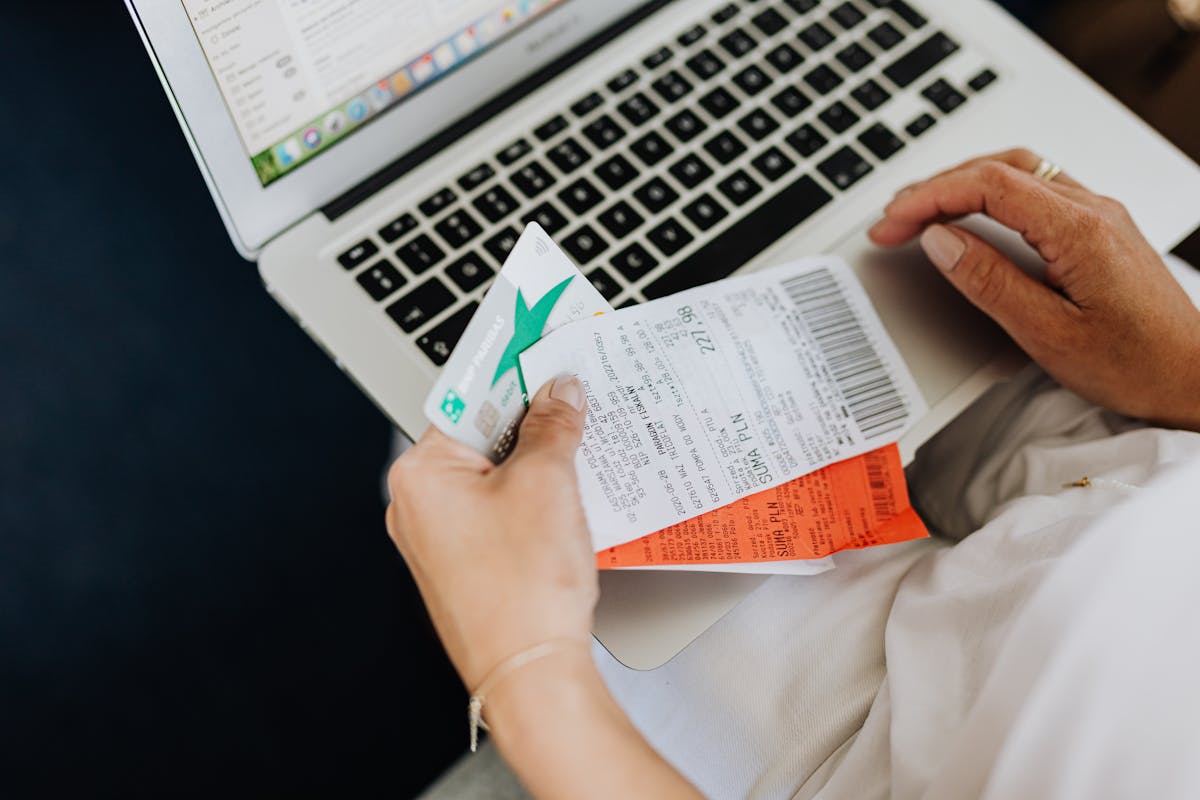
Enter Klyrr, a personal finance app that introduces a refreshing approach: Pay → Snap → Understand. Rather than waiting until month-end to reconcile expenses, Klyrr encourages you to snap a photo of your receipt right after your purchase. This simple habit can transform the way you manage your finances, allowing you to keep track of your spending in real time. Whether you're a parent shopping at Loblaws or a commuter filling up at Petro-Canada, Klyrr's AI instantly categorizes your spending, giving you a clear picture of where your money goes.
For those tired of the traditional spreadsheet routine, this guide will walk you through practical steps you can take, leveraging your RBC mobile app alongside Klyrr's innovative receipt snapping feature. As you read on, you'll discover how this method not only saves time but also enhances your financial awareness, ultimately leading to smarter spending decisions. And the best part? You can start free with Klyrr today, no credit card required.
2. Video: Budgeting made easy
Watch this overview, then apply the steps below with your own receipts and accounts.
3. Why this matters for Canadian families in 2026
a. Understanding spending in a high-cost world
In 2026, managing household expenses is more critical than ever for Canadian families. With inflation impacting nearly every aspect of life, from groceries to gas, keeping track of spending without the hassle of spreadsheets or complicated tools is key. According to the Bank of Canada, inflation continues to affect household budgets, making it essential for families to adapt their financial tracking methods. With the RBC mobile app, tracking your spending without relying on CSV files can simplify this process, offering a more streamlined approach to manage your finances efficiently.
b. Common pitfalls with traditional tracking methods
Many Canadian families still rely on end-of-month spreadsheet reconciliations or manual tracking, which can be time-consuming and prone to errors. The Financial Consumer Agency of Canada (FCAC) advises that a clear and consistent approach to budgeting is necessary to avoid common mistakes, such as neglecting small but frequent expenses. By not capturing every purchase, families might miss out on identifying spending patterns that could be optimized. For instance, an untracked $85 grocery run at Loblaws or a $62 gas fill-up at Petro-Canada can add up quickly over the month, impacting the overall budget.
c. The shift to real-time tracking
The RBC mobile app offers a way to track spending in real-time, which can be a game-changer for busy families. By using the app's features, you can categorize transactions immediately, providing a clear picture of where your money goes each day. This method is not only faster but also reduces the stress associated with traditional month-end financial reviews. RBC's Advice Centre highlights the importance of timely information in financial decision-making, allowing you to adjust your spending habits as needed throughout the month.
d. Practical steps for busy families
For families juggling the demands of work, school, and extracurricular activities, finding time to manage finances can be challenging. By leveraging the RBC mobile app's capabilities, you can incorporate financial tracking into your daily routine. For example, after a trip to Costco, simply review your expenses in the app, ensuring that everything is accurately categorized. This habit, paired with Klyrr's receipt snapping feature, can further enhance your ability to manage finances effectively and without added stress.
e. Adapting to inflationary pressures
As the cost of living continues to rise, Canadian families must be proactive in managing their budgets. The FCAC suggests using financial tools and calculators to better understand and manage these pressures. By integrating the RBC app into your daily life, you can stay ahead of inflationary trends and make informed decisions that align with your financial goals. This approach not only helps in maintaining financial stability but also empowers families to make the most of their hard-earned dollars.
In conclusion, the RBC mobile app provides a practical solution for tracking spending without the need for traditional CSV files. By adopting this method, Canadian families can improve their financial awareness, reduce stress, and ultimately gain better control over their finances in an ever-changing economic landscape.

4. What Canadian banks and government agencies recommend
Navigating the financial landscape in Canada can be daunting, especially when it comes to tracking spending without relying on CSV exports. Fortunately, Canadian banks and government agencies offer practical guidance to help families manage their finances efficiently. Here's how RBC, other major banks, and federal resources suggest you stay on top of your spending.
a. RBC's Approach to Tracking Spending
RBC offers a variety of tools within their mobile app designed to help you track spending without the hassle of exporting CSV files. The RBC Advice Centre emphasizes the importance of using digital tools available in their app to monitor transactions in real-time, categorize expenses, and set up spending alerts. This can be particularly useful for managing day-to-day expenses like groceries and gas.
b. Government of Canada's Budgeting Advice
The Financial Consumer Agency of Canada (FCAC) provides comprehensive advice on creating and maintaining a budget. Their resources encourage Canadians to utilize online tools and calculators to streamline budgeting without relying on complex spreadsheets or manual data entry. The FCAC's budget planner tool can help you set realistic financial goals and track your progress over time, making it easier to manage your finances alongside tools from your bank.
c. Bank of Canada's Insights on Inflation
Inflation can significantly impact your spending power, which is why the Bank of Canada stresses the importance of tracking spending and adjusting budgets accordingly. As inflation rates rise, Canadian families may find themselves spending more on essentials like groceries and transportation. For instance, an $85 grocery run could easily increase to $95 due to inflation. Being aware of these changes allows families to adjust their budgets proactively.
d. Practical Steps for Busy Parents
For busy parents in cities like Toronto or Montréal, integrating a receipt-snapping habit into your financial routine can be a game-changer. Imagine filling up your gas tank for $62 and immediately snapping a photo of the receipt. This simple action, combined with the AI capabilities of apps like Klyrr, helps categorize expenses instantly, providing a real-time overview of your spending habits. Klyrr's AI-powered tools can offer insights into your spending patterns, allowing you to make informed decisions without the need for arduous spreadsheet work.
e. Avoiding Common Mistakes
One of the biggest mistakes Canadian families make is relying solely on month-end reviews of their finances. This often leads to surprises and overspending. By adopting a habit of tracking expenses in real-time, such as snapping receipts for groceries or using RBC's app features, you can avoid such pitfalls. Regularly reviewing your expenses ensures you're not caught off guard by unexpected charges or forgotten subscriptions.
f. Encouraging Conversations About Shared Spending
For couples, discussing shared spending can sometimes be a sensitive topic. By leveraging tools that provide a clear picture of your financial situation, such as RBC's spending alerts or Klyrr's shared family files, you can foster more open conversations. Questions like, "How much did we spend on dining out last month?" or "Are there any subscriptions we can cancel?" can lead to healthier financial habits and a stronger partnership.
By following these recommendations from Canadian banks and government agencies, you can effectively track your spending without the need for CSV exports. Embrace digital tools, engage in regular financial check-ins, and make use of practical resources to keep your budget on track.
5. Practical strategies and real CAD examples (Part 1)
When it comes to managing your finances, the RBC mobile app offers a variety of ways to track spending without the need for cumbersome CSV exports. Let's dive into practical strategies that busy Canadian families can employ to make the most of their financial resources, using real CAD examples to illustrate the impact.
a. Embrace the Snap Habit
One of the most effective strategies is to incorporate the habit of snapping receipts right after making a purchase. Whether you're at Loblaws for a grocery run or filling up at Petro-Canada, capturing that receipt can make a world of difference. For instance, a typical grocery trip costing $85 can be quickly documented by snapping the receipt with the RBC app, ensuring that the expense is immediately logged and categorized. This eliminates the need for end-of-month spreadsheet reconciliations, offering a more seamless approach to tracking expenses.
b. Use Budget Alerts and Notifications
RBC's mobile app allows users to set budget alerts and receive notifications when they're nearing their spending limits. According to the Financial Consumer Agency of Canada (FCAC), creating and sticking to a budget is crucial for financial health. By setting a monthly gas budget of $200, for example, you'll be alerted when your usual $62 fill-up puts you close to exceeding your limit. This proactive approach helps prevent overspending and keeps household finances on track.
c. Optimize with Category Insights
The app's categorization feature automatically sorts your expenses into categories like dining, groceries, and transportation. This is particularly useful for identifying spending patterns and making informed decisions. For example, a monthly review might reveal that dining out at Tim Hortons and other eateries accounts for $150 of your budget. With this insight, families can decide to cut back and save for other priorities.
d. Plan with Inflation in Mind
The Bank of Canada highlights the importance of considering inflation when planning budgets. As inflation impacts the cost of living, it's wise to adjust your spending categories accordingly. For example, if the price of groceries has increased by 3%, you might need to allocate an additional $10 to your monthly grocery budget.
e. Leverage AI-Powered Tools
For those seeking an even more streamlined experience, tools like Klyrr offer AI-powered insights that complement RBC's features. After snapping receipts, Klyrr's AI categorizes expenses, detects recurring charges, and provides personalized financial advice, all without the need for a CSV export.
f. Real CAD Examples: The Impact
To see these strategies in action, consider the following scenario: a family in Toronto tracks their monthly expenses without CSV exports. They spend $85 on groceries, $62 on gas, and $40 on dining each week. By snapping receipts and using RBC's app features, they easily monitor their $900 monthly budget. Over time, this habit reduces the stress of manual tracking and improves financial awareness.
g. Encourage Family Involvement
Encouraging family members to participate in tracking expenses can foster a sense of shared responsibility. Couples can set financial goals together and review spending patterns weekly. For instance, discussing whether to allocate the $50 saved from reduced dining expenses to a family outing can be a constructive conversation.
h. Address Common Mistakes
One common mistake is underestimating irregular expenses. By using the RBC app to track every purchase, families can better predict these costs. For example, if you notice a quarterly $200 gym membership charge, you can adjust your budget to accommodate it, avoiding unpleasant surprises.
i. Use RBC's Educational Resources
RBC offers a wealth of resources like RBC My Money Matters to help users make informed financial decisions. These resources provide tips on saving, investing, and planning for the future, making them valuable tools for any Canadian household.
j. Stay Adaptable
Finally, it's important to remain adaptable. Financial circumstances can change, and being prepared to adjust your budget accordingly is key. Whether it's a sudden vehicle repair or a change in income, having a flexible budget ensures you're equipped to handle life's financial curveballs.
By adopting these practical strategies, Canadian families can effectively track their spending with the RBC mobile app, without the need for CSV exports. This approach not only simplifies financial management but also empowers households to make informed decisions about their money.
6. Habits, Tools, and Week-by-Week Plan (Part 2)
a. Building Effective Spending Habits
For many Canadian families, tracking spending without relying on CSV exports can feel daunting, but with the right habits, it becomes second nature. The key is consistency and making it part of your daily routine. A common mistake is to wait until the end of the month to review expenses, which can lead to surprises and overspending. Instead, adopt the habit of snapping a photo of your receipt immediately after each purchase. This can be done at Loblaws after an $85 grocery run or at the Petro-Canada pump after a $62 gas fill-up. This habit not only ensures that every expense is captured but also allows you to reflect on your spending patterns in real time.
b. Leveraging Tools Effectively
Using the RBC mobile app in tandem with other tools can enhance your spending tracking routine. While the app provides an overview of your account, integrating it with a tool like Klyrr can offer deeper insights. With Klyrr, you can snap receipts and categorize expenses instantly, providing a clear view of your spending habits without the need for a CSV export. This is especially beneficial for tracking smaller, recurring expenses that can add up over time, such as a $25 subscription service or a $15 weekly coffee habit at Tim Hortons.
c. Week-by-Week Plan
Week 1: Establish the Habit
Start by making a conscious effort to photograph every receipt. Whether you’re paying for groceries at Metro or purchasing medication at Jean Coutu, take a few seconds to snap the receipt. This will begin to build the routine and make you more aware of your spending patterns.
Week 2: Analyze and Adjust
Review your receipts and categorize them using your chosen tool. Take note of any areas where you might be overspending. For instance, if you notice you’ve spent $200 on dining out, consider planning more meals at home. You can use the FCAC Budget Planner tool to help set realistic spending limits.
Week 3: Involve Family Members
Discuss your findings with your family. Encourage your partner or children to adopt the same receipt-snapping habit. This not only makes tracking comprehensive but also opens up channels for discussing financial goals. The RBC Advice Centre offers resources to facilitate these family discussions.
Week 4: Review and Refine
At the end of the month, review your spending trends. Compare your captured receipts with your bank statement to ensure nothing was missed. Use this data to adjust your budget for the following month. For more detailed insights, consider Klyrr’s AI budgeting features, which can provide recommendations based on your spending history.
d. Questions to Consider
As you implement these habits, ask yourself key questions to guide your spending decisions. Are there any recurring charges that can be cancelled or reduced? How does your grocery spending compare to last month? Are there any upcoming expenses that need to be factored into your budget?
e. Managing Inflation Impacts
Inflation can significantly affect your budget, especially in categories like groceries and fuel. The Bank of Canada notes that inflation can erode purchasing power, making it essential to regularly update your budget to reflect these changes. Stay informed about inflation trends and adjust your spending habits accordingly to maintain financial stability.
f. Conclusion
By adopting these habits and leveraging the right tools, Canadian families can effectively track their spending without the need for CSV exports. This proactive approach not only simplifies budgeting but also empowers families to make informed financial decisions. Start implementing these strategies today and see the difference in your financial health. For more tips on effective spending tracking, explore Klyrr's how it works page.
7. Receipt snapping vs spreadsheets vs bank apps — honest comparison
In a world where financial management is becoming increasingly complex, Canadian families need more efficient ways to keep track of their spending. The traditional methods of using spreadsheets or relying solely on bank apps like RBC's are being challenged by the simplicity and effectiveness of receipt snapping. Let's explore how each method stacks up in terms of practicality and efficiency.
a. The Spreadsheet Method
Spreadsheets have long been the go-to tool for those who want granular control over their finances. While they offer flexibility, they also require a significant time investment and a certain level of expertise to maintain. According to the Financial Consumer Agency of Canada (FCAC), manually updating spreadsheets can lead to errors and omissions, especially when life gets busy. For a typical Canadian family, this method might involve logging an $85 grocery run or a $62 gas fill-up into a spreadsheet at the end of the month. This approach often results in a backlog of unrecorded expenses, leading to financial oversight.
b. Bank Apps: RBC's Offering
RBC's mobile app provides a streamlined way to view transactions and categorize spending. However, it still requires users to manually track and categorize expenses, especially if you aren't using CSV exports. The RBC Advice Centre suggests regular monitoring of your spending, yet without the automation of receipt capturing, it's easy to miss small, frequent purchases like a $4 coffee or a $10 pharmacy run. Bank apps are limited in that they typically only show transactions from accounts within that bank, leaving out cash purchases or expenses from other accounts.
c. The Power of Receipt Snapping
Here's where receipt snapping, as championed by Klyrr, offers a modern, hassle-free alternative. By simply snapping a photo of your receipt immediately after a purchase, you instantly capture the details and let AI categorize the expense for you. This method is not only quick but also captures every transaction, whether it's a $127 grocery trip to Loblaws or a $68 gas refill at Petro-Canada. The Bank of Canada notes that inflation is affecting household costs, making it more critical than ever to have real-time insights into spending.
d. Practical Benefits for Canadian Families
For busy parents in Toronto or Montréal, the ability to snap receipts on the go means less time spent on budgeting and more accurate financial tracking. This habit reduces the risk of missing cash expenses or smaller purchases, which can add up over time. In a year, these small expenses could easily exceed hundreds of dollars if not tracked consistently.
e. Why Choose Klyrr?
Klyrr supports this habit by offering a free-to-start platform where no credit card is required, unlike many other financial tools. The app's AI not only categorizes your spending but also alerts you to subscription services that may have slipped through the cracks, helping you maintain control over your budget without the need for tedious spreadsheets or isolated bank app data.
In summary, while spreadsheets and bank apps like RBC's offer certain benefits, the simplicity and immediacy of receipt snapping provide a more comprehensive and less time-consuming solution for Canadian families looking to manage their finances effectively in 2026. For more detailed insights on how to integrate this habit into your daily routine, visit Klyrr's How It Works page.

8. Step-by-step: what to do today, this week, and this month
Tracking your spending without relying on CSV exports from the RBC mobile app can be both liberating and effective. Here's a step-by-step guide on how to achieve this, focusing on immediate actions, weekly habits, and monthly reviews.
a. What to do today
Snap and Save
Right after you pay for groceries at Loblaws or fill up your gas tank at Petro-Canada, snap a photo of your receipt. This small habit can capture critical spending details instantly. With apps like Klyrr, you can categorize spending, spot trends, and receive financial advice without the hassle of spreadsheets.
Set Up Notification Alerts
Log in to your RBC mobile app and set up alerts for when your account reaches a certain balance or when large transactions occur. This will help you stay on top of your spending daily. According to the RBC Advice Centre, timely alerts can prevent overspending and avoid unexpected fees.
b. This week
Review and Reflect
At the end of the week, take a moment to review your spending habits. For example, did you spend $85 on groceries or $62 on gas this week? Compare this with your previous weeks to identify patterns. The Financial Consumer Agency of Canada recommends such reviews to adjust your budget as needed.
Plan for Upcoming Expenses
Consider the week ahead: are there any additional costs you should prepare for, such as a family outing or a school event? Planning helps avoid surprise expenses and keeps your budget on track. You can use the FCAC Budget Planner for additional support.
c. This month
Monthly Spending Analysis
Conduct a deeper analysis of your spending at the end of the month. Categorize each purchase and evaluate your spending habits. This is also the perfect time to use Klyrr's AI tools to get insights into your financial health. These insights can guide you in adjusting your budget for the upcoming month.
Discuss with Your Partner
If you’re budgeting as a couple, have a monthly financial meeting to discuss your spending. Ask questions like, "Did we overspend on dining out?" or "How can we save more on our next grocery run?" This can help you align your financial goals and prevent misunderstandings. RBC's My Money Matters resource offers advice on managing finances together.
Adjust for Inflation
Finally, be mindful of inflation, which can impact your purchasing power. The Bank of Canada provides updates on inflation rates that can affect budget categories like groceries or gas. By staying informed, you can adjust your budget accordingly, ensuring that rising costs don't catch you off guard.
Adopting these strategies today, this week, and this month can transform how you manage money, making it a habit rather than a chore. Start small with daily receipt snapping and grow into comprehensive monthly reviews with tools like Klyrr, designed to simplify your financial journey.
9. 10 Detailed questions Canadians actually ask
a. How can I track my spending without using a CSV file?
Tracking spending without a CSV file is entirely possible through the RBC mobile app. This app allows you to categorize transactions as they occur, providing a real-time view of your finances. By snapping receipts or using the app's categorization tools, you can keep tabs on your spending without the hassle of downloading and uploading CSV files. The Financial Consumer Agency of Canada recommends using such tools to simplify financial management.
b. What are the benefits of using the RBC mobile app for tracking expenses?
The RBC mobile app offers several benefits for tracking expenses. It provides real-time updates, so you can see transactions as they happen. It also allows for easy categorization of expenses, which helps in budgeting and financial planning. This convenience, paired with the ability to manage finances on the go, makes it a valuable tool for families juggling multiple financial responsibilities. Check out RBC's My Money Matters for more insights on managing finances effectively.
c. Can I track shared spending with my partner using RBC?
Yes, tracking shared spending with a partner is possible using the RBC mobile app. You can categorize transactions and create budgets that reflect your shared financial goals. For a more comprehensive family budgeting approach, consider using Klyrr's family budgeting features, which allow multiple users to collaborate on a single financial file.
d. How do I manage grocery expenses with RBC's app?
Managing grocery expenses can be straightforward with the RBC app by categorizing each grocery store transaction. For instance, snapping receipts at places like Loblaws or Metro and entering them into the app allows you to track your grocery spending accurately. This method can help you stay within a budget, much like using the Budget Planner tool recommended by the FCAC. An $85 grocery run can be easily tracked and analyzed for budgeting purposes.
e. What are the most common mistakes people make when tracking spending?
One of the most common mistakes is not consistently updating and categorizing transactions, leading to inaccurate financial tracking. Another is relying too heavily on manual entry, which can be time-consuming and prone to error. Using automatic updates and receipt snapping can alleviate these issues, providing a more accurate picture of your spending habits.
f. How does inflation impact my budgeting strategy?
Inflation can significantly affect your budgeting strategy by increasing the cost of goods and services. According to the Bank of Canada, understanding and planning for inflation is crucial. By using RBC's mobile app to track changes in your spending, you can adjust your budget accordingly to account for price increases in essentials like groceries and gas.
g. How can I optimize my spending on gas with the RBC app?
To optimize gas spending, track every fill-up using the RBC app and categorize these expenses under transportation. You might notice that a $62 gas fill-up is a common occurrence, allowing you to set a realistic monthly budget for gas. For additional tips on tracking gas expenses, consider reading Klyrr's blog on Gas Receipt Tracking in Canada.
h. What questions should couples discuss regarding shared finances?
Couples should discuss their financial goals, spending habits, and budgeting strategies. Questions like "Are we sticking to our grocery budget?" or "How can we reduce unnecessary expenses?" can help align financial priorities. Regularly reviewing shared spending through tools like the RBC app can foster transparency and cooperation.
i. Are there any free tools available for budgeting after Mint shut down?
Yes, several free tools are available for budgeting, including the RBC mobile app and Klyrr. These tools offer features like receipt snapping and AI-driven insights, making it easier to manage finances without relying on outdated platforms like Mint. For more on how Klyrr can assist with budgeting, visit AI budgeting.
j. How does receipt snapping compare to traditional spreadsheet budgeting?
Receipt snapping offers a real-time, hassle-free alternative to traditional spreadsheet budgeting. It eliminates the need for manual data entry and provides instant categorization and insights. This approach is particularly beneficial for busy Canadians who prefer to manage their finances without spending hours on spreadsheets, allowing them to focus on their families and work.
10. How Klyrr helps and your free next step
When it comes to tracking your spending with RBC, without relying on cumbersome CSV exports, Klyrr offers a seamless solution designed for Canadian households. With our intuitive app, you can track every dollar spent with ease, ensuring that your financial health is always in check. Here's why Klyrr is the perfect fit for managing your finances alongside the RBC mobile app.
a. Snap Receipts, Save Time
Rather than sifting through statements or manually exporting data, Klyrr encourages you to snap a photo of your receipt immediately after each purchase. This small habit change can make a big difference, turning every shopping trip at Loblaws or a quick stop at Petro-Canada into an opportunity to effortlessly track your expenses. This habit not only saves time but also ensures that every transaction is accurately recorded, allowing you to keep a close eye on your spending patterns.
b. AI-Powered Insights
Klyrr's AI does the heavy lifting by analyzing your snapped receipts, categorizing your expenses, and providing real-time insights into your spending habits. Imagine finishing a $85 grocery run at Costco and instantly knowing how it fits into your monthly budget. Our AI also detects recurring subscriptions, a common expense that often goes unnoticed. This automated approach aligns with the FCAC's recommendations for maintaining an up-to-date budget without the hassle.
c. Financial Health Score
With inflation impacting Canadian households, as reported by the Bank of Canada, it’s more important than ever to have a clear picture of your financial standing. Klyrr offers a health score that evaluates your financial wellbeing on a scale from 0 to 100. This score updates as you log receipts, helping you understand your spending habits in a single glance. It's an easy way to monitor your financial fitness and make informed decisions about your spending.
d. Family Sharing
Managing a household budget is often a team effort, particularly for busy parents in Toronto or Montréal. Klyrr facilitates this by allowing you to share your financial file with a partner or family member, ensuring everyone is on the same page. Whether it's tracking a $62 gas fill-up or a $127 grocery bill, family sharing makes it easier to collaborate on budgeting and avoid overspending.
e. Getting Started with Klyrr
Ready to take control of your finances? Here’s how you can get started with Klyrr today:
- Sign Up: Begin by creating your free account on Klyrr’s user-friendly platform.
- Snap Your First Receipt: After your next purchase, whether at Jean Coutu or Canadian Tire, snap a photo of your receipt and let Klyrr do the rest.
- Ask the AI: Pose questions like, "How much have we spent on dining out this month?" and receive instant, AI-driven answers.
By integrating Klyrr into your daily routine, you can effortlessly track your spending, gain valuable insights, and make smarter financial decisions. It's time to say goodbye to spreadsheets and embrace a modern, Canadian solution tailored to your needs. Start today and see where your money goes with the ease and simplicity of Klyrr.
11. Quick comparison: old way vs Klyrr way
| Approach | Effort | Real-time clarity | Family sharing | Cost |
|---|---|---|---|---|
| Spreadsheet only | High — manual entry | No — weeks behind | Difficult | Free but time-consuming |
| Bank app only | Low | Partial — categories limited | Rare | Free |
| Snap receipts + Klyrr | Low — photo at checkout | Yes — same day | Built-in shared files | Free tier |