

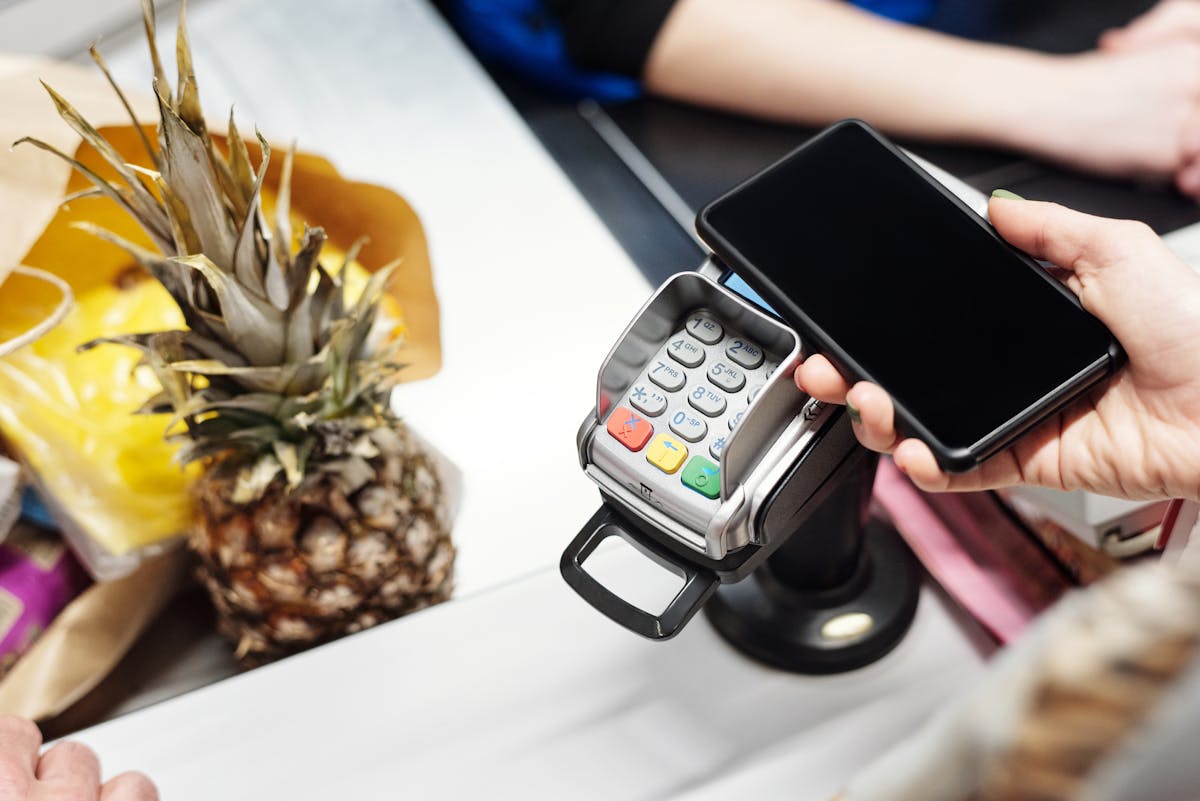
January Budget Reset Canada 2026: Start Fresh This Year
Klyrr Team · Jul 4, 2026 · 25 min read
Table of contents
- A Relatable Canadian Moment and Why This Guide Exists
- Video: Money Reset | The Checklist Every Canadian Needs in 2026
- Why this matters for Canadian families in 2026
- What Canadian banks and government agencies recommend
- Practical strategies and real CAD examples (Part 1)
- Habits, Tools, and Week-by-Week Plan (Part 2)
- Receipt snapping vs spreadsheets vs bank apps — honest comparison
- Step-by-step: what to do today, this week, and this month
- 10 Detailed questions Canadians actually ask
- What is the first step in a January budget reset for Canadian households?
- How does inflation impact the budget reset process in Canada for 2026?
- How can I use receipt snapping to improve my budgeting?
- What are common mistakes Canadians make during a January budget reset?
- How do Canadian banks like TD and RBC advise customers on budgeting?
- What specific CAD examples illustrate potential savings?
- How should couples discuss shared expenses during a budget reset?
- What are the best free tools for budgeting after Mint's closure?
- How can busy parents in Montréal manage a budget reset effectively?
- What is the role of an annual budget review checklist?
- How Klyrr helps and your free next step
- Quick comparison: old way vs Klyrr way
1. A Relatable Canadian Moment and Why This Guide Exists
Picture this: it's a crisp January morning in Toronto. The snow crunches underfoot as you make your way to your favourite Tim Hortons for that quintessential Canadian cup of coffee. But as you sip your double-double, your mind drifts to the flurry of expenses that seem to pile up after the holiday season. You've just finished the festive splurge on gifts, meals, and travel, and now your bank account is asking for a break. You're not alone in this; many Canadians find themselves in a similar position every January. This is precisely why a January budget reset in Canada for 2026 is more crucial than ever.
a. Why January is the Perfect Time for a Financial Reset
The start of a new year is synonymous with fresh beginnings, and this applies to your financial health as well. According to the Financial Consumer Agency of Canada, creating a budget is essential to ensure that you manage your expenses effectively. January offers a clean slate; a chance to evaluate last year's spending habits and set realistic goals for the year ahead. The Bank of Canada has also highlighted that inflation impacts household budgets, making it even more critical to reassess your financial plans regularly source.
b. The Role of Klyrr in Your Budget Reset
For busy parents or professionals in cities like Toronto or Montréal, the idea of sitting down with a spreadsheet might sound daunting. This is where Klyrr comes in. By simply snapping a photo of your grocery receipt at Loblaws or your gas receipt at Petro-Canada, you can bypass the traditional spreadsheet method and let AI do the heavy lifting. Klyrr automatically categorizes your spending, helping you to understand where your money is going without the hassle of manual entry. This effortless approach is particularly beneficial for those who have recently lost access to Mint and are seeking a modern, Canadian-built alternative.
c. Why This Guide Exists
This guide is designed to walk you through a comprehensive January budget reset checklist tailored for 2026. It aims to provide practical steps, such as setting a $400 monthly grocery budget or planning for a $200 family outing. By following this guide, you'll be equipped to tackle your finances head-on, ensuring that the start of your year aligns with your financial goals. For more personalized advice, explore Klyrr's AI budgeting features, which offer tailored insights and recommendations.
By the time you've finished your coffee, you'll have the tools you need to embark on a financially sound year, setting you up not just for the months ahead, but for a lifetime of smarter financial choices.

2. Video: Money Reset | The Checklist Every Canadian Needs in 2026
Watch this overview, then apply the steps below with your own receipts and accounts.
3. Why this matters for Canadian families in 2026
As we step into 2026, Canadian families find themselves navigating a financial landscape that's more complex than ever before. With inflation impacting household budgets and the increasing cost of living, a well-organized budget reset at the start of the year has become crucial. According to the Bank of Canada, inflation continues to affect the purchasing power of Canadian households, making it imperative for families to reassess and adapt their financial strategies annually.
a. The impact of inflation on Canadian budgets
Inflation in Canada has been steadily influencing the prices of everyday essentials such as groceries and gas. For instance, a typical grocery run might now cost a family around $150, up from $120 just a few years ago. Similarly, a gas fill-up could easily reach $70, depending on the province. These rising costs necessitate a careful review of household spending to ensure that financial goals remain achievable. The Financial Consumer Agency of Canada emphasizes the importance of revisiting your budget regularly to accommodate these changes.
b. Common mistakes and how to avoid them
One of the biggest pitfalls Canadian families encounter during their January budget reset is failing to account for these inflationary pressures. Many rely on outdated budgets that no longer reflect their current financial reality. Additionally, overspending during the holiday season often leads to a financial hangover in January. To avoid these issues, families should focus on creating a realistic budget that considers both fixed and variable expenses, adjusting for inflation where necessary.
c. Practical steps for busy parents
For busy parents in cities like Toronto or Montréal, starting with a January budget reset can feel daunting. However, practical steps can simplify this process. Begin by categorizing expenses—such as groceries, transportation, and entertainment—and allocate realistic amounts based on recent spending patterns. Incorporating tools like receipt snapping at checkout, as supported by Klyrr, can offer a more accurate picture of spending habits compared to traditional month-end spreadsheet methods.
d. Utilizing available financial tools
With the shutdown of Mint, Canadian households have been left searching for effective budgeting tools. Fortunately, there are alternatives that offer a fresh approach. Klyrr, for example, allows users to snap receipts in real-time, helping families track expenses effortlessly. This contrasts sharply with the cumbersome spreadsheet budgeting of the past, where tracking often fell by the wayside. Such tools provide a more dynamic and flexible budgeting solution, aligning better with the busy lifestyles of Canadian families.
e. Engaging the whole family in financial discussions
A January budget reset is not just about numbers; it's an opportunity to engage the entire family in financial discussions. Couples should ask each other key questions about shared spending priorities, such as, "Are we saving enough for our children's education?" or "How can we reduce unnecessary subscriptions?" These conversations are essential for setting mutual goals and ensuring alignment in financial decision-making.
By addressing these aspects, Canadian families can transform their financial outlook for 2026, ensuring they are prepared to meet both expected and unforeseen expenses. With the right tools and strategies, a January budget reset becomes a powerful step toward financial stability and peace of mind for the year ahead.
4. What Canadian banks and government agencies recommend
As Canadians embark on their January budget reset for 2026, both banks and government agencies offer valuable guidance to help navigate this annual financial ritual. From the Bank of Canada to major financial institutions like TD, RBC, and Scotiabank, there is a wealth of advice tailored to the unique financial landscape in Canada.
a. Government Recommendations: Financial Consumer Agency of Canada
The Financial Consumer Agency of Canada (FCAC) emphasizes the importance of creating and sticking to a household budget. They suggest starting with a clear understanding of your income, expenses, and financial goals. Their Budget Planner tool is a practical resource that can help Canadians allocate their income effectively and track their spending throughout the year.
The FCAC also highlights the significance of reassessing your financial plan at the beginning of the year, considering any changes in income or expenses. This can include accounting for inflation or adjusting savings goals, which can be crucial given the evolving economic conditions in Canada.
b. Insights from Canadian Banks
Canadian banks like TD, RBC, and Scotiabank offer comprehensive advice through their respective platforms. TD’s personal finance advice encourages customers to conduct a thorough review of their spending habits from the previous year. This retrospective look can help identify areas where you can cut back, such as dining out or unused subscriptions.
RBC’s Advice Centre recommends setting realistic and attainable financial goals for the year. By breaking down these goals into smaller, more manageable steps, you can maintain motivation and track progress more easily.
Scotiabank’s Advice+ suggests leveraging digital tools and apps to automate parts of your budgeting process. With the closure of Mint, apps like Klyrr provide a modern alternative, allowing Canadians to snap receipts and instantly categorize expenses, saving time and reducing the likelihood of errors.
c. Practical Tips for Busy Canadians
For a busy parent in Toronto or Montréal, practical steps can make the January budget reset more manageable. Start by evaluating your typical monthly expenses. For instance, if you spend around $85 on groceries and $62 on gas weekly, consider whether these areas offer opportunities for savings. Small adjustments, like meal planning or using loyalty programs, can lead to significant annual savings.
It's also essential to review and adjust your budget categories to reflect any changes that occurred over the past year. Factors such as increased utility costs or changes in childcare expenses should be accounted for. By doing so, you ensure that your budget remains relevant and accurate.
d. The Impact of Inflation
Inflation can significantly affect household budgets, as noted by the Bank of Canada. In 2026, Canadians might face heightened grocery prices or increased utility bills due to inflationary pressures. Therefore, incorporating a buffer in your budget for these potential increases is wise. This proactive approach can prevent financial strain and help maintain financial stability throughout the year.
e. Leveraging Klyrr for Your Budget Reset
Incorporating technology into your budgeting process can simplify the task significantly. Klyrr, for example, offers a user-friendly platform where you can quickly snap receipts and let AI categorize your spending. This method not only saves time but also provides real-time insights into your financial health. You can explore more about how Klyrr works on their How It Works page.
By following these recommendations from Canadian banks and government agencies, and utilizing practical tools like Klyrr, you can ensure a smooth and effective January budget reset that sets you up for financial success in 2026.
5. Practical strategies and real CAD examples (Part 1)
As we dive into the practical strategies for a successful January budget reset in Canada 2026, it's essential to focus on actionable steps that can make a tangible difference in your financial well-being. Let's explore how you can effectively manage your finances with real-life examples and tips tailored for Canadian households.
a. Start with a realistic grocery budget
Grocery shopping can be a significant expense for families. According to the Financial Consumer Agency of Canada, it's crucial to set a realistic budget for groceries as part of your financial planning. For instance, if your typical grocery run at Loblaws costs around $150, consider examining your receipts to identify areas where you can trim costs, such as opting for store brands or taking advantage of weekly specials. Aiming to reduce your grocery bill by just 10% can save you $15 per trip, which adds up over time.
b. Optimize your transportation expenses
Gas prices fluctuate, impacting your monthly budget significantly. If you usually spend about $62 filling up at Petro-Canada, track your spending and look for patterns. Consider using public transportation or carpooling, which can cut your costs in half. Additionally, leveraging apps like Klyrr to snap your gas receipts helps you monitor spending trends and adjust accordingly.
c. Tackle subscription services
Subscriptions can often go unnoticed, quietly draining your bank account each month. The Bank of Canada notes that inflation affects household budgeting, making it more important than ever to scrutinize recurring expenses. Start by reviewing your bank statements for services like Netflix or Spotify, which could collectively cost $40 monthly. Cancel any underused subscriptions to free up funds.
d. Set clear savings goals
A practical step recommended by TD Bank is to establish clear savings goals at the beginning of the year. Whether it's saving for a family vacation or building an emergency fund, setting a target amount—such as $2,000 for an emergency fund by year-end—can guide your monthly saving efforts. Allocate a percentage of your income to savings first, treating it as a non-negotiable expense.
e. Engage in financial discussions with your partner
Communication is key to a healthy financial relationship. Schedule a monthly meeting to discuss your budget, spending habits, and financial goals. Use this time to ask each other questions like, "How much did we spend on dining out last month?" or "Are there any expenses we can reduce?" This proactive approach helps avoid misunderstandings and aligns your financial plans.
f. Plan for seasonal expenses
Certain expenses are predictable but often overlooked, such as holiday spending or back-to-school supplies. By allocating a portion of your budget to these categories early in the year, you can avoid financial stress when these times arrive. For instance, budgeting $200 for back-to-school supplies in September can prevent a last-minute scramble.
g. Monitor your progress with technology
Utilizing free tools like Klyrr, especially after the shutdown of Mint, can provide invaluable insights into your spending habits. With features like AI-driven categorization and health scores, you can track your financial progress over the year and adjust plans as needed.
By implementing these practical strategies and using real CAD examples, you're better equipped to manage your January budget reset in Canada 2026. Stay tuned for Part 2, where we'll delve deeper into optimizing your financial plans for the rest of the year.
6. Habits, Tools, and Week-by-Week Plan (Part 2)
January is a fresh start for many Canadian households, making it the perfect time for a budget reset. By establishing good habits, leveraging the right tools, and following a structured week-by-week plan, you can set the tone for a financially successful year. Let’s delve into practical steps and strategies to ensure your January budget reset is both effective and sustainable.
a. Establishing Healthy Budgeting Habits
A key recommendation from both the Financial Consumer Agency of Canada (FCAC) and the Bank of Canada is to create and maintain healthy financial habits. This includes regular tracking of expenses and making it a habit to review your budget weekly. Start by snapping receipts immediately after every purchase. For instance, when you spend $85 at Loblaws or $62 filling up at Petro-Canada, take a moment to photograph your receipt using an app like Klyrr. This simple habit ensures that you have an accurate record of your spending, eliminating the end-of-month panic of sifting through a mountain of receipts.
b. Leveraging Tools for Financial Success
With Mint no longer available in Canada, many are turning to alternatives like Klyrr for their budgeting needs. Klyrr’s AI-powered platform simplifies expense tracking by categorizing your spending automatically and offering insights in plain language, allowing you to focus on more important tasks. Additionally, tools such as the FCAC Budget Planner can assist you in setting realistic financial goals based on your household income and expenses.
c. Week-by-Week Plan
Week 1: Set Clear Goals
Start by defining what you want to achieve with your budget. This could include saving for a family vacation, paying off credit card debt, or building an emergency fund. Use realistic figures; for instance, aim to save $200 per month by cutting down on dining out.
Week 2: Track All Expenses
Make tracking a daily habit. Use Klyrr to snap receipts at places like Tim Hortons or Metro. This not only helps in accurate record-keeping but also allows you to see where small purchases are adding up.
Week 3: Analyze and Adjust
Review your spending habits from the first two weeks. Look for patterns and areas where you can cut back. For example, if you're spending $150 monthly on subscriptions, consider canceling any unused services, as highlighted in our subscription leaks article.
Week 4: Plan for the Future
Prepare for upcoming expenses by setting aside funds for predictable costs, such as a $600 car insurance premium or a $400 back-to-school shopping spree. This forward-thinking approach prevents financial surprises.
d. Common Mistakes to Avoid
A major pitfall during a budget reset is neglecting small expenses that add up over time. Canadians often underestimate the impact of frequent small purchases, like daily coffees or impromptu convenience store visits. Additionally, relying solely on month-end bank statements can lead to inaccurate tracking due to delayed transaction postings. Instead, immediate receipt snapping provides real-time insights.
e. The Impact of Inflation
Inflation has been a significant concern for Canadian households, affecting everything from groceries to housing costs. The Bank of Canada notes that understanding inflation's impact on your purchasing power is crucial. Adjust your budget to account for these changes, ensuring that your spending aligns with current economic conditions.
By integrating these habits and tools into your routine, your January budget reset can transform into a year-round financial strategy. For more detailed assistance, consider exploring how Klyrr can simplify your budgeting process and provide tailored insights for Canadian families.
7. Receipt snapping vs spreadsheets vs bank apps — honest comparison
When it comes to managing your finances, particularly during the crucial period of a January budget reset Canada 2026, there are various approaches available to Canadian families. Receipt snapping, spreadsheets, and bank apps each offer unique benefits and challenges. Here's an honest comparison to help you determine which method best suits your lifestyle.
a. Receipt Snapping: The Klyrr Way
The "Pay → Snap → Understand" habit that Klyrr promotes offers a quick and efficient way to keep track of your expenses. Imagine you're at Costco, having just completed an $85 grocery run. Before you even leave the store, you snap a photo of your receipt. This image is instantly processed by Klyrr's AI, which categorizes the expense, updates your real-time dashboard, and even flags any recurring charges. This method eliminates the need for manual data entry and provides immediate insights into your spending habits.
This approach is particularly beneficial for busy parents or those who find traditional budgeting methods cumbersome. According to Canada.ca, maintaining an up-to-date budget is crucial, and Klyrr's receipt snapping makes this easier by integrating budgeting into your daily routine. Unlike spreadsheets that require end-of-month reconciliation, snapping receipts allows you to capture spending in real-time, offering a more dynamic and less daunting budgeting process.
b. Spreadsheets: The Traditional Route
Spreadsheets have long been a favourite tool for those who prefer a hands-on approach to budgeting. They allow for a high degree of customization and can be tailored to track specific categories of spending. However, this method often involves manual data entry, which can be time-consuming and prone to errors. For instance, keeping track of a $62 gas fill-up and ensuring it’s entered correctly into a spreadsheet requires diligence and regular updates.
A significant disadvantage of spreadsheets is that they can become overwhelming, especially if you're managing multiple expenses across different categories. As noted by the Financial Consumer Agency of Canada, many Canadians struggle to keep their budgets updated, leading to financial oversight. This is where the real-time insights provided by apps like Klyrr can be a game-changer.
c. Bank Apps: A Limited Picture
Bank apps offer a convenient way to view your transactions and balances, but they often lack the comprehensive budgeting tools needed for effective financial management. While you can track spending, the categorization and analysis are typically limited to basic overviews. For example, while your TD or Scotiabank app can show your recent transactions, it won’t provide the nuanced insights or AI-driven advice that Klyrr offers.
Moreover, bank apps are tied to specific accounts, making it difficult to gain a holistic view of your financial situation if you have multiple accounts across different banks. As highlighted by Scotiabank's Advice+, understanding how all your financial elements work together is crucial for effective budgeting, and this is where Klyrr's multi-account support shines.
d. Making the Choice
Ultimately, the best budgeting method depends on your individual needs and lifestyle. If you’re looking for a simple, efficient way to manage your finances without the hassle of spreadsheets, receipt snapping could be the way to go. For those who enjoy the control and detail of spreadsheets, continuing with this method might suit you, but consider supplementing it with a tool like Klyrr for real-time insights. Bank apps can serve as a supplementary tool, but they lack the comprehensive features needed for a full financial overview.
For more insights on how to integrate these methods into your January budget reset, explore Klyrr's budgeting features today. Whether you choose to snap, type, or upload, Klyrr makes it easier to manage your money in a way that fits your life.

8. Step-by-step: what to do today, this week, and this month
In the midst of a new year, setting a proactive financial tone with a January budget reset can transform how Canadian families manage their finances. Here’s a step-by-step plan to help you make the most of this pivotal time, focusing on immediate actions, weekly habits, and monthly reviews.
a. What to do today
Snap Your Receipts
Start by implementing the habit of snapping receipts right after each purchase, whether at Costco or the gas station. This simple action, endorsed by the Financial Consumer Agency of Canada, helps you capture spending immediately and avoid end-of-month surprises. For instance, if you spend $85 on groceries today, a quick photo keeps your budget in check.
Check for Subscription Leaks
Review your account for recurring charges. Many Canadians lose track of subscriptions, costing them hundreds annually. Use tools like Klyrr’s subscription detection feature to spot and manage these leaks. As discussed in our subscription leaks article, identifying a $9.99 monthly streaming service you never use can free up funds for essentials.
b. Actions for this week
Set Weekly Spending Limits
Establish a weekly budget for key categories like groceries and transport. According to the Bank of Canada, inflation impacts these expenses significantly. Assigning limits, such as $150 for groceries and $60 for gas, helps mitigate unexpected price hikes.
Engage in Financial Conversations
If you’re managing finances with a partner, set aside time to discuss shared expenses and financial goals. Questions such as, “Can we reduce our dining out budget this month?” foster transparency and teamwork. This approach aligns with the RBC Advice Centre recommendations for effective money management.
Review and Adjust Budgets
Utilize tools like the FCAC Budget Planner to assess your current budget. Adjust allocations based on recent spending patterns and upcoming needs. For instance, if you notice higher utility bills, consider reallocating funds from less critical categories.
c. Monthly review and reflection
Evaluate Monthly Spending Trends
At month-end, analyze your spending to identify patterns. Tools like Klyrr’s AI insights can provide a snapshot of your financial health. Understanding that your grocery expenses consistently hit $600, for example, allows better planning for February.
Perform a Financial Health Check
Calculate your financial health score by reviewing savings, spending, and income. This holistic view helps in setting realistic goals for the rest of the year. For more details, explore our guide on tracking your financial health score.
Plan for Upcoming Expenses
Consider future financial obligations such as annual insurance premiums or school fees. Setting aside monthly savings in anticipation of these costs can prevent budget shortfalls, as advised by Scotiabank.
By following these steps, you can establish a robust financial foundation for 2026. Whether you're in Toronto, Montréal, or any part of Canada, integrating these practices will ensure a smoother financial journey throughout the year. Start your journey with Klyrr today — sign up for free and make 2026 your year of financial clarity.
9. 10 Detailed questions Canadians actually ask
a. What is the first step in a January budget reset for Canadian households?
The first step in a January budget reset is to evaluate your previous year's spending. Use your bank statements or, even better, the Klyrr app to review your expenditures. This will help you identify patterns and areas where you can cut back. For example, if you notice that you spent $2,000 on dining out in 2025, you might aim to reduce that by 20% in 2026. This is a critical step as it sets the foundation for making an effective budget.
b. How does inflation impact the budget reset process in Canada for 2026?
Inflation affects purchasing power, meaning your money might not stretch as far as it did in previous years. According to the Bank of Canada, it's essential to account for rising costs in groceries, gas, and utilities. For example, if inflation has increased grocery prices by 5%, a typical $85 grocery run might now cost around $89. This understanding helps you adjust your budget categories accordingly.
c. How can I use receipt snapping to improve my budgeting?
Receipt snapping with Klyrr is a simple yet effective way to track spending in real-time. By snapping a receipt at Costco or Petro-Canada immediately after purchase, the AI categorizes your spending, offering instant insights. This helps avoid the month-end panic of reconciling bank statements and ensures that every $62 gas fill-up or $90 pharmacy purchase is accounted for.
d. What are common mistakes Canadians make during a January budget reset?
One common mistake is failing to set realistic goals. Many Canadians might aim to save too much too quickly without considering their lifestyle changes, leading to frustration. Another pitfall is not reviewing subscriptions, which can silently drain finances. A $15 monthly subscription might seem small but adds up to $180 annually, which could fund a family outing instead. The FCAC advises setting achievable goals and regularly reviewing automatic payments.
e. How do Canadian banks like TD and RBC advise customers on budgeting?
Banks like TD and RBC encourage customers to use digital tools for setting financial goals and tracking expenses. They often provide budgeting calculators and personalized advice through their online portals, helping Canadians manage their finances effectively. However, these tools can be complemented by Klyrr's real-time receipt snapping and AI-driven insights for a more comprehensive approach.
f. What specific CAD examples illustrate potential savings?
Imagine a typical Toronto family reducing their grocery bill from $1,000 to $900 per month by meal planning and snapping receipts for better tracking. Another example is saving on transportation by cutting back on a $62 weekly gas fill-up to every other week through carpooling or using public transit. These specific adjustments can save hundreds over a year, contributing significantly to a family's financial health.
g. How should couples discuss shared expenses during a budget reset?
Couples should sit down and discuss their financial goals for the year, such as saving for a vacation or a home renovation. It's important to be transparent about individual spending habits and agree on categories like dining out or entertainment. Asking questions like "Can we reduce our monthly restaurant spending from $300 to $200?" can help set clear expectations and avoid future disagreements.
h. What are the best free tools for budgeting after Mint's closure?
With Mint no longer available in Canada, Klyrr offers a compelling alternative. It allows for receipt snapping, AI categorization, and real-time insights without the need for a bank connection, offering a privacy-friendly and comprehensive budgeting experience. Additionally, the FCAC Budget Planner remains a valuable free resource for Canadians.
i. How can busy parents in Montréal manage a budget reset effectively?
Busy parents can prioritize snapping receipts immediately after purchases to save time. For instance, snapping a $50 Jean Coutu purchase ensures that pharmacy expenses are automatically tracked and categorized. Parents can also use Klyrr's family sharing feature, allowing both partners to contribute to a shared financial picture, making budgeting a team effort.
j. What is the role of an annual budget review checklist?
An annual budget review checklist helps Canadians ensure they're on track with their financial goals. It involves reviewing past spending, adjusting for expected changes in the new year, and setting new savings targets. This proactive approach helps identify areas for improvement and reinforces financial discipline throughout the year. Explore more strategies on how Klyrr can assist with this process by providing tailored advice and automated tracking.
Klyrr is free AI personal finance for Canadians. Snap receipts, get advice, share with your family — no credit card required.
Start free →
10. How Klyrr helps and your free next step
a. Simplifying the January budget reset
As Canadians embark on the January budget reset journey, Klyrr stands out as a practical and intuitive tool designed to simplify financial management. With its AI-powered capabilities, Klyrr transforms the daunting task of budgeting into an accessible daily habit. By focusing on the three-step process of "Pay → Snap → Understand," Klyrr helps Canadian families keep track of their expenses without the hassle of traditional spreadsheets or complicated financial jargon.
b. Real-time insights with receipt snapping
One of the most significant advantages of using Klyrr is its receipt snapping feature, which offers instant categorization of expenses. After paying for your groceries at Loblaws or filling up at a Petro-Canada station, simply snap a photo of your receipt. Klyrr's AI will immediately categorize the expense, providing a real-time update to your financial dashboard. This not only saves time but also ensures accuracy, as the AI normalizes merchant names and flags recurring charges. According to Canada.ca, maintaining an accurate and up-to-date budget is crucial for financial stability, and Klyrr makes this effortless.
c. Practical examples for Canadian households
Let's consider a typical week for a busy parent in Toronto. With a $85 grocery run at No Frills and a $62 gas fill-up at Esso, these everyday expenses are instantly recorded and categorized when you snap the receipts. This level of detail allows you to see exactly where your money is going, helping you adjust your budget as needed. The Bank of Canada emphasizes the importance of understanding inflation's impact on household budgets, and with Klyrr, you're always informed.
d. AI-powered financial health insights
Beyond simple tracking, Klyrr provides deeper insights into your financial health. The app's AI assistant can answer questions like, "Can we afford an extra night out this month?" or "How is our grocery spending compared to last month?" This feature is invaluable for those looking to make informed decisions quickly. You can learn more about optimizing your budget with AI in our blog post.
e. Free to start — no credit card required
Klyrr is committed to making financial clarity accessible to everyone. You can start using Klyrr's powerful tools for free, without needing to provide a credit card. This offers a risk-free opportunity to see firsthand how snapping receipts can transform your budgeting process. For more details on how Klyrr works, visit our how it works page.
f. Your next step
Ready to take control of your finances in the New Year? Begin by signing up for free at Klyrr. The next time you're at the checkout, snap your receipt and let Klyrr handle the rest. With instant categorization and insightful AI advice, you'll be well on your way to a more organized and stress-free financial year.
11. Quick comparison: old way vs Klyrr way
| Approach | Effort | Real-time clarity | Family sharing | Cost |
|---|---|---|---|---|
| Spreadsheet only | High — manual entry | No — weeks behind | Difficult | Free but time-consuming |
| Bank app only | Low | Partial — categories limited | Rare | Free |
| Snap receipts + Klyrr | Low — photo at checkout | Yes — same day | Built-in shared files | Free tier |