


Track Your Micro Spending in Canada: Tim Hortons Edition
Klyrr Team · Aug 10, 2026 · 25 min read
Table of contents
- A Relatable Canadian Money Moment and Why This Guide Exists
- Canadian Households in 2026 (CAD, provinces, real life)
- Video: Tim Hortons Just Did What No Coffee Chain Would
- Trusted sources (CRA, canada.ca, banks, FCAC)
- Practical Strategies with Real CAD Examples (Part 1)
- Next-dollar priorities, habits, and a week-by-week plan (Part 2)
- English + French terms Canadians search (TFSA/CELI, RRSP/REER, FHSA/CELIAPP)
- Bank Sync, Receipt Snap, and Why Spreadsheets Fail
- What to do today, this week, and this month
- Today: Start Tracking Your Micro-Spending
- This Week: Analyze and Adjust Your Habits
- This Month: Set a Realistic Budget and Goals
- Use a Bank Connection for Automatic Tracking
- Snap Receipts to Complement Bank Sync
- Engage in Open Conversations with Your Partner
- Consider the Impact of Inflation
- Explore Free Financial Management Tools
- How Klyrr Helps
- Ten Detailed Questions Canadians Actually Ask
- What Is Micro-Spending and Why Is It Important to Track?
- How Much Do Canadians Spend on Coffee Annually?
- What Tools Can Help Track Micro-Spending in Canada?
- How Does Inflation Affect Micro-Spending?
- What Mistakes Do Canadians Often Make When Tracking Micro-Spending?
- How Can Couples Manage Shared Micro-Spending?
- What Steps Can a Busy Parent Take to Manage Micro-Spending?
- How Do Canadian Banks Advise on Managing Micro-Spending?
- What Are Some Practical Examples of Reducing Micro-Spending?
- How Can Klyrr Help Manage Micro-Spending?
- Secure bank connect, Chat Klyrr, AI insights, and your free next step
- Quick comparison: old way vs Klyrr way
1. A Relatable Canadian Money Moment and Why This Guide Exists
a. The Morning Coffee Ritual
There's something inherently comforting about starting your day with a fresh cup of coffee from Tim Hortons. For many Canadians, this daily ritual is more than just a caffeine fix—it's a moment of peace and routine in an otherwise hectic day. But have you ever paused to think about how much these seemingly small expenditures add up over time? According to Canada.ca, micro-spending on items like coffee, snacks, and other small indulgences can quietly drain your wallet, often without you realizing it.
b. The Hidden Impact of Micro-Spending
The concept of "death by a thousand coffees" is a playful yet accurate illustration of how micro-spending can impact a budget. Consider this: a $3 coffee every weekday results in a $780 annual expense. For many households, these costs are often underestimated or overlooked entirely. As the Bank of Canada points out, inflation can exacerbate these seemingly minor expenses, making it even more crucial to track where every dollar is going.
c. Why This Guide Matters
This guide exists to help Canadian families better understand and manage their micro-spending habits. With the closure of apps like Mint, many Canadians are seeking alternatives to keep track of their expenses effectively. A micro spending tracker in Canada can offer clear insights into daily spending habits, making it easier to identify areas where you can save. By learning to manage these small expenditures, you can improve your overall financial health and work towards larger financial goals.
d. Practical Steps for Busy Canadians
For busy parents in Toronto or Montréal, small changes can make a big difference. Start by snapping a photo of your receipt every time you make a purchase—whether it's a quick coffee run or a grocery trip. This habit not only helps you keep track of cash expenses but also complements the automatic sync feature available when you connect your bank accounts. Apps like Klyrr offer these features to help you maintain a clear overview of your spending without the hassle of spreadsheets or manual tracking.
By taking control of your micro-spending, you’re not just saving money—you’re investing in a more secure financial future. Whether it’s reducing your coffee budget or reallocating those savings to a TFSA (CELI) or RRSP (REER), understanding where your money goes is the first step towards making it work harder for you.

2. Canadian Households in 2026 (CAD, provinces, real life)
In 2026, Canadian households face a financial landscape where every dollar counts, and the impact of micro-spending habits, such as frequent visits to Tim Hortons, is more pronounced than ever. Understanding and managing these small expenses is crucial for maintaining a balanced budget, especially as inflation continues to affect purchasing power across the country.
a. The Impact of Micro-Spending on Budgets
Micro-spending, often overlooked, can accumulate and create significant financial strain over time. A daily coffee habit at Tim Hortons, for example, can easily add up to hundreds of dollars each month. According to the Financial Consumer Agency of Canada (FCAC), tracking every expense, no matter how small, is essential for effective budgeting. This aligns with the Bank of Canada's advice on inflation, which suggests that understanding how small expenses aggregate can help households adjust their budgets to better cope with rising costs.
b. Regional Spending and Inflation Trends
Spending patterns and inflation vary across Canada, with provinces like Ontario and British Columbia experiencing higher costs of living. In Toronto, for instance, the cumulative effect of daily micro-spending can be exacerbated by higher regional prices. By contrast, in cities like Montréal, while the cost of goods might be slightly lower, the impact of even modest inflation can still disrupt a household's financial planning. This is where a micro-spending tracker in Canada becomes invaluable, offering insights into how these small, frequent purchases affect overall financial health.
c. Mistakes to Avoid with Micro-Spending
Many Canadian families make the mistake of underestimating the impact of micro-spending, often neglecting to track these expenses regularly. The FCAC's budget planner highlights the importance of categorizing every expenditure to avoid budget shortfalls. Additionally, relying solely on manual entry or month-end reviews can lead to inaccuracies. Instead, combining automatic bank sync with receipt snapping at checkout—like at a $5 Tim Hortons purchase—provides a more comprehensive view of spending habits.
d. Practical Steps for Busy Parents
For busy parents in cities like Toronto or Montréal, managing micro-spending might seem daunting. However, by setting aside a few minutes each week to review receipts and bank transactions, they can identify patterns and make necessary adjustments. For instance, if a family notices a recurring $85 grocery bill at Loblaws, they might explore cost-saving measures or alternative shopping venues. Using tools like Klyrr can simplify this process by automatically categorizing expenses and offering insights into spending patterns.
e. The Role of Canadian Banks
Major Canadian banks like TD, RBC, and Scotiabank provide resources and advice on managing micro-spending. They emphasize the importance of understanding one's spending habits and suggest utilizing technology for better financial tracking. By connecting a Canadian bank account for automatic sync, families can avoid the pitfalls of manual tracking and gain a clearer picture of their financial activities.
f. How Klyrr Helps
Klyrr offers a modern solution for managing micro-spending in Canada. By allowing users to connect their bank accounts securely via Plaid, Klyrr provides automatic transaction syncing, helping users see every coffee, subscription, and card charge without the hassle of manual entry. Additionally, Chat Klyrr offers a space for Canadians to ask personal finance questions and receive educational advice in both English and French. For those ready to take control of their finances, signing up for Klyrr's full suite of tools can streamline budgeting and enhance financial clarity.
3. Video: Tim Hortons Just Did What No Coffee Chain Would
Watch this overview, then apply the steps below with your own receipts and accounts.

4. Trusted sources (CRA, canada.ca, banks, FCAC)
When it comes to managing micro-spending in Canada, it's important to rely on trusted sources for guidance. The Canada Revenue Agency (CRA), the Financial Consumer Agency of Canada (FCAC), and major Canadian banks like TD, RBC, Scotiabank, BMO, and CIBC offer valuable insights into budgeting and managing finances effectively. Understanding these resources can help Canadians take control of their spending habits, particularly when it comes to those small, everyday purchases like your regular coffee run at Tim Hortons.
a. The Role of the FCAC in Budgeting
The Financial Consumer Agency of Canada (FCAC) provides a comprehensive guide to creating a budget. This guide is an excellent starting point for those looking to track their spending more effectively. It emphasizes the importance of categorizing expenses, which can help identify patterns in micro-spending. By understanding where your money goes, like those frequent $2.50 coffee purchases, Canadians can make more informed decisions about their financial priorities.
b. Bank of Canada on Inflation and Micro-Spending
The Bank of Canada highlights how inflation impacts purchasing power, which is crucial for understanding micro-spending. As inflation increases, the cost of everyday items like coffee also rises, which can significantly impact a budget if not monitored. By keeping an eye on inflation trends, Canadians can adjust their budgets to accommodate changes in the cost of living, ensuring that micro-spending doesn't spiral out of control.
c. Guidance from Major Canadian Banks
Banks like TD, RBC, and Scotiabank offer personalized advice to help Canadians manage their finances. For instance, TD Bank's Advice Centre provides articles on saving and budgeting that can help customers track micro-spending more effectively. Similarly, RBC's Advice Centre offers budgeting tools that can help individuals manage their daily expenses, including frequent purchases at places like Tim Hortons.
d. Practical Tips for Busy Parents and Professionals
For a busy parent in Toronto or Montréal, practical steps to manage micro-spending might include using a micro-spending tracker to monitor those small, frequent purchases. Setting a weekly limit for coffee expenses, for example, can help control spending. Connecting your Canadian bank for automatic sync can simplify this process, as it captures every transaction without manual entry, freeing up time for more important tasks.
e. Complementing Bank Sync with Receipt Snapping
While syncing with your bank captures digital transactions, snapping receipts at checkout is a practical method for tracking cash spending. For example, if you pay $85 for groceries or $62 for gas in cash, snapping a photo of the receipt ensures these expenses are recorded in your budget. This habit complements bank sync and provides a complete picture of your spending habits.
f. Inflation's Impact on Coffee Budgets
Inflation in Canada can also affect your coffee budget. As prices rise, the cumulative effect on regular coffee purchases becomes more pronounced. This emphasizes the importance of tracking these small expenses with tools like Klyrr, which can offer insights into how inflation is impacting your personal budget.
g. Free Tools for Canadians Post-Mint
After the discontinuation of Mint, many Canadians are seeking alternative tools for managing their finances. Klyrr provides an innovative solution with features like automatic bank sync, receipt snapping, and AI-driven spending insights, making it easier to track micro-spending and stick to a budget.
h. How Klyrr Helps
Klyrr can assist Canadians in managing micro-spending by offering tools that provide a clear view of your financial picture. The Chat Klyrr feature allows users to ask questions about managing their spending habits, providing educational insights into budgeting and savings. For those ready to dive deeper, signing up for Klyrr's full app offers bank sync, budget management, and family tools. Unlike the public Chat Klyrr, the in-app assistant uses your personal transaction data to offer tailored advice.
By leveraging these trusted sources and practical tools, Canadians can effectively manage micro-spending and ensure their Tim Hortons habit doesn't derail their financial goals.
5. Practical Strategies with Real CAD Examples (Part 1)
a. Understand Your Micro-Spending Habits
In the fast-paced life of Canadian households, it's easy to overlook small, frequent purchases that add up over time. A daily coffee from Tim Hortons, parking fees, or those quick snack runs can seem insignificant individually, but they can significantly impact your monthly budget. According to the Financial Consumer Agency of Canada, tracking these micro-spendings is crucial for effective budgeting. For instance, spending $3 on a coffee every workday amounts to approximately $780 annually. Recognizing these patterns is the first step in managing your finances more efficiently.
b. Utilize Technology for Tracking
Leveraging technology can simplify the process of tracking your micro-spendings. Many Canadians have turned to digital solutions like the FCAC’s Budget Planner tool to gain better insights into their spending habits. Apps like Klyrr can further enhance this by allowing you to connect your bank accounts for automatic transaction syncing and receipt snapping. This dual approach ensures that every expenditure, whether paid by card or cash, is accounted for without the manual hassle of spreadsheets. By seeing all transactions in one place, you can easily identify areas where you might be overspending.
c. Real-Life Examples: Where Does Your Money Go?
Let's consider a typical week for a busy parent in Toronto. You might spend $85 on a grocery run at Loblaws, $62 on a gas fill-up at Petro-Canada, and $15 on parking downtown. Add in those frequent $3.50 coffee breaks at Tim Hortons, and you're looking at about $17.50 a week on coffee alone. These numbers quickly add up, illustrating how micro-spending can impact your overall budget. By using a micro spending tracker, you can visualize these expenses and make informed decisions on where to cut back.
d. Address the Impact of Inflation
Inflation can amplify the effects of micro-spending. As noted by the Bank of Canada, inflation affects purchasing power, making it more important than ever to track and manage small expenses. In 2026, Canadian households may find that their regular expenses have increased, necessitating a reassessment of their budgeting strategies. Staying aware of inflationary trends can help you anticipate and adapt to these changes, ensuring your financial health remains robust.
e. Collaborate with Family Members
Open communication about spending habits is vital, especially for families. Couples should discuss their individual spending and agree on a shared approach to managing micro-expenses. Set a monthly budget for discretionary spending like coffees and snacks, and check in regularly to see how well you're sticking to it. By addressing these expenses together, you can prevent them from becoming a source of financial stress.
f. Explore Free Financial Tools
With the closure of Mint, many Canadians are searching for reliable alternatives to track their finances. Free tools like Klyrr’s Chat Klyrr can offer guidance on budgeting and managing micro-spendings. This public AI platform provides educational insights without needing to sign up, while the full app offers more robust features like bank sync and family finance files. Consider signing up at Klyrr to harness these tools for your financial wellbeing.
By implementing these practical strategies, you can take control of your micro-spending and make your budget work more effectively for you. Understanding where your money goes on a daily basis is key to achieving financial clarity and setting a strong foundation for future financial goals.
6. Next-dollar priorities, habits, and a week-by-week plan (Part 2)
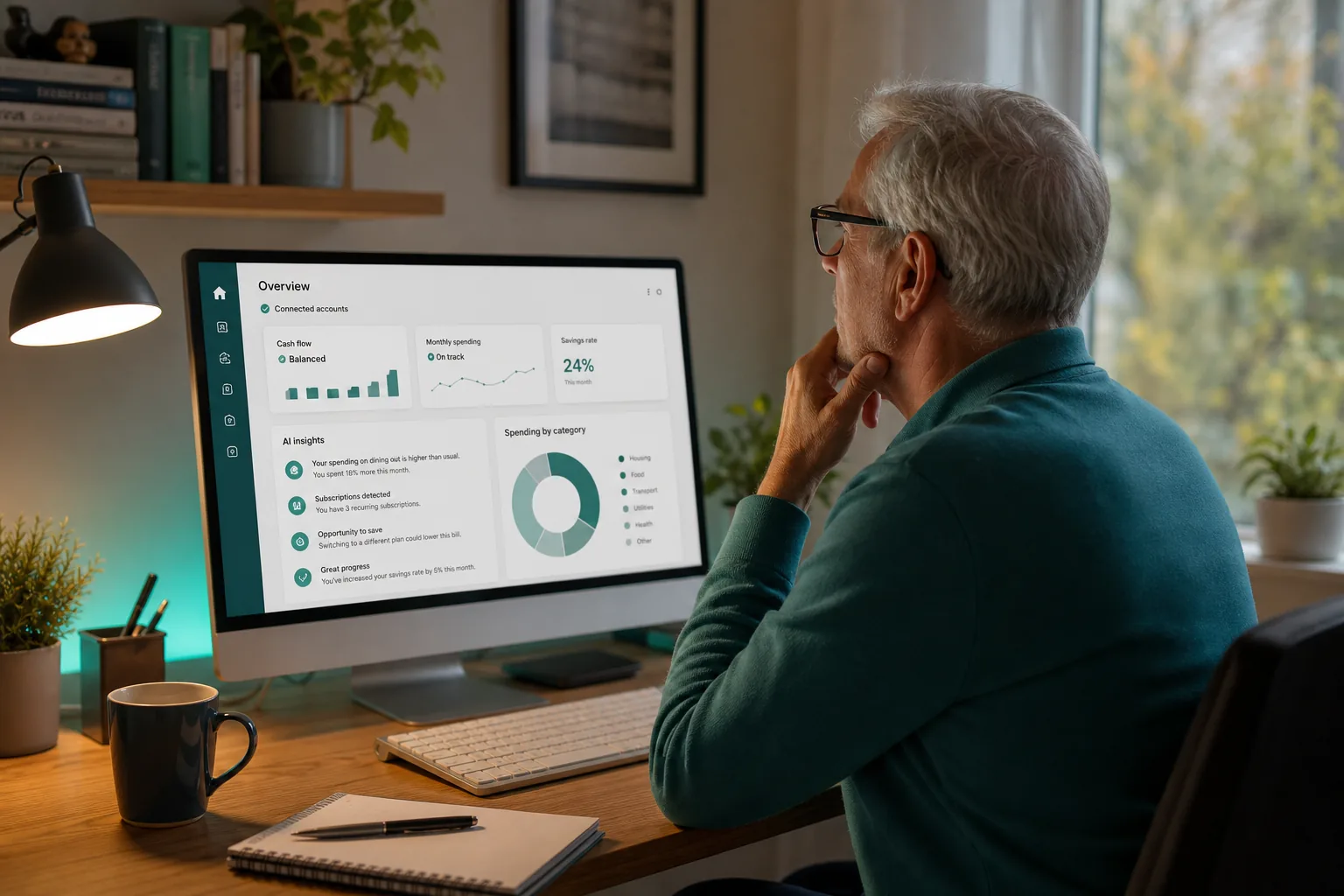
In the realm of personal finance, micro-spending can be a silent budget buster, especially for Canadian families juggling everyday expenses. This section delves into a practical plan to tackle micro-spending, with a focus on the infamous "death by a thousand coffees" scenario—a nod to the beloved Tim Hortons runs that add up over time. Let's break down how you can prioritize your next dollars, establish smart habits, and implement a week-by-week plan that leads to tangible financial health.
a. Understanding Your Micro-Spending Landscape
Micro-spending often flies under the radar, but it can significantly affect your budget. According to the Financial Consumer Agency of Canada (FCAC), tracking small daily expenses like coffee purchases is crucial for maintaining financial control. A typical Canadian might spend $3 to $5 per coffee, which can quickly accumulate to $90 to $150 monthly if indulging daily. Recognizing this pattern is the first step in managing it effectively.
b. Week 1: Baseline Your Spending
Start by establishing a baseline of your current micro-spending habits. Use a micro-spending tracker like the one recommended by Canada.ca to monitor your expenditures. For instance, if a busy parent in Toronto visits Tim Hortons five times a week, that's about $25 weekly or $100 monthly. This first week is about awareness—log every small purchase, whether it's a coffee, a snack, or a quick lunch at your favourite spot.
c. Week 2: Analyze and Adjust
Armed with your baseline data, identify patterns and areas for adjustment. Perhaps your morning routine involves a $4 coffee and a $3 muffin—an expense that can be trimmed. Consider opting for brewing coffee at home, which could save approximately $20 weekly. Evaluate other similar expenses and adjust your budget accordingly, aiming to reduce your micro-spending by at least 10%.
d. Week 3: Prioritize Essential Spending
Focus on differentiating between needs and wants. Essential items like groceries and gas deserve priority. For instance, a $85 grocery run or a $62 gas fill-up are necessary expenses, whereas the $20 spent on takeout coffee each week might not be. By reallocating funds, you can ensure that your essential spending aligns with your financial goals. The Bank of Canada provides insights into how inflation affects purchasing power, highlighting the importance of prioritizing essentials.
e. Week 4: Implement a Reward System
Introduce a reward system to keep motivation high. For every week you stick to your adjusted spending plan, set aside a small reward—perhaps a home-cooked meal with premium ingredients or a family outing that fits within your new budget. This positive reinforcement can help solidify your new habits.
f. Week 5: Review and Reflect
At the end of the month, review your financial progress. Calculate the difference between your baseline and adjusted spending. If you've saved $50 by cutting down on coffee runs, consider directing those funds towards a savings goal or debt repayment. This practice of redirection not only improves financial health but also reinforces conscious spending habits.
g. Week 6: Plan for the Future
With a month of data and adjustments, plan for the future. Use these insights to create a sustainable budget that accommodates occasional indulgences without derailing your financial plan. This is also a great time to explore financial tools like Klyrr's AI budgeting features, which can streamline your process and provide ongoing insights. Discover more about AI Budgeting.
h. How Klyrr Helps
Klyrr offers a robust platform to help Canadians manage their finances effectively. By connecting your bank for an automatic sync, you can effortlessly track every transaction—no more scrambling with spreadsheets at the end of the month. Additionally, the receipt snapping feature captures cash spending that bank feeds might miss. For any quick questions, Chat Klyrr is available as a public, bilingual tool to provide educational insights. When you're ready to dive deeper into budgeting and family finance tools, consider signing up for Klyrr to leverage its full capabilities.
Incorporating these steps into your financial routine can transform your approach to micro-spending, ensuring that every dollar is optimized for your financial well-being. With the right tools and habits, Canadians can conquer the "death by a thousand coffees" and achieve their financial goals with confidence.
7. English + French terms Canadians search (TFSA/CELI, RRSP/REER, FHSA/CELIAPP)
Navigating the world of personal finance in Canada can sometimes feel like a daunting task, especially when you're juggling multiple registered accounts like the TFSA (CELI), RRSP (REER), and FHSA (CELIAPP). These terms not only play a crucial role in managing our finances but also appear frequently in both English and French searches, underscoring their significance in our bilingual nation.
a. Understanding the TFSA/CELI
The Tax-Free Savings Account (TFSA) or Compte d’épargne libre d’impôt (CELI) is a flexible investment vehicle that allows Canadians to earn tax-free investment income. Whether you're saving for a new home, a car, or an emergency fund, the TFSA/CELI offers a versatile way to grow your savings without worrying about taxes on the gains. The CRA's TFSA page provides detailed information on contribution limits and eligibility.
b. The Role of RRSP/REER in Retirement Planning
A Registered Retirement Savings Plan (RRSP), or Régime enregistré d'épargne-retraite (REER), is designed to help Canadians save for retirement. Contributions to an RRSP/REER are tax-deductible, and the investments within the account grow tax-free until withdrawal. It's a popular choice for those looking to reduce their taxable income while securing their financial future. According to RBC's Advice Centre, maximizing RRSP contributions is especially beneficial for higher-income earners who can leverage significant tax savings.
c. FHSA/CELIAPP: A New Tool for First-Time Homebuyers
Introduced as a new way to support first-time homebuyers, the First Home Savings Account (FHSA) or Compte d’épargne libre d’impôt pour l’achat d’une première propriété (CELIAPP) combines the best features of a TFSA and an RRSP. Contributions are tax-deductible, and withdrawals for a first home purchase are tax-free. This makes it an attractive option for young Canadians entering the housing market. For more insights, check out our FHSA First Home Savings Account Canada 2026 Guide.
d. Why Bilingual Terms Matter
In Canada, financial literacy is not just about understanding the numbers—it's about understanding the language. Bilingual terms like TFSA/CELI and RRSP/REER are crucial for reaching Canadians from coast to coast, ensuring that everyone has access to the same opportunities for financial growth. As noted by the Canada.ca financial tools and calculators, being well-versed in both English and French financial terminology can significantly enhance one's ability to make informed financial decisions.
e. How Klyrr Helps
Klyrr is designed to make navigating these financial landscapes easier, offering tools that help track spending and optimize savings in both English and French. With features like automatic bank sync via Plaid, users can easily manage their TFSA/CELI, RRSP/REER, and FHSA/CELIAPP contributions. For those who prefer a quick Q&A before diving into detailed financial planning, Chat Klyrr provides anonymous, educational advice. When you're ready for a deeper dive, signing up for Klyrr gives you access to personalized budgeting tools and family finance management.
Understanding these bilingual financial terms is just the beginning. With Klyrr, Canadians can see where their money goes and make the most of every dollar, no matter the language they speak.
8. Bank Sync, Receipt Snap, and Why Spreadsheets Fail
a. The Challenge of Micro-Spending
Micro-spending can be a silent drain on your finances. Often overlooked, these small purchases, like daily coffees or quick lunches, add up significantly over time. The Financial Consumer Agency of Canada (FCAC) emphasizes the importance of tracking these expenses to maintain a healthy budget source. However, traditional spreadsheets often fall short in capturing the ongoing nature of micro-spending, leading to inaccurate budget assessments.
b. Why Spreadsheets Are Not Enough
While spreadsheets offer flexibility, they require manual data entry and constant updates. This process is not only time-consuming but also error-prone. For busy Canadians, especially parents juggling multiple responsibilities, this can lead to frustration and ultimately, budget neglect. According to the Bank of Canada, inflation impacts micro-spending habits, making it crucial to have an accurate and timely tracking method.
c. The Advantage of Bank Sync
Connecting your bank account directly to a budgeting tool offers a seamless way to track spending. With a secure sync via Plaid, for example, you can automatically import up to 24 months of transaction history. This helps in seeing every Tim Hortons coffee or quick purchase at Dollarama without the hassle of manual entry. The convenience of bank sync ensures that no expense is overlooked, and your budget reflects real spending patterns.
d. How Receipt Snap Complements Bank Sync
While bank sync captures electronic transactions, it may miss cash purchases. This is where snapping receipts at checkout becomes invaluable. Simply taking a photo of your grocery receipt or a gas fill-up slip with an app like Klyrr allows you to include these expenditures instantly. This dual approach — bank sync for electronic transactions and receipt snaps for cash — ensures comprehensive spending tracking.
e. Real CAD Examples
Consider a typical week: an $85 grocery run at Loblaws, a $62 gas fill-up at Esso, and daily $5 coffees at Tim Hortons. Without an automatic system, these expenses might slip through the cracks. However, with combined bank sync and receipt snapping, each transaction is accounted for, giving you a clear picture of where your money goes.
f. Tools for Canadians Post-Mint
With Mint's exit from the Canadian market, many are seeking alternatives for effective budget tracking. Klyrr offers a robust system designed for Canadian households, ensuring expenses are tracked in CAD and categorized correctly. Learn more about Klyrr's features and how they can enhance your financial management.
g. Common Mistakes to Avoid
One of the biggest mistakes is relying solely on memory or irregular checks to manage micro-spending. This often leads to underestimating small, frequent expenses. Another is delaying the entry of transactions, which can cause inaccuracies. Utilizing tools like bank sync and receipt snap helps eliminate these errors by ensuring real-time updates.
h. Practical Steps for Busy Parents
For parents in cities like Toronto or Montréal, integrating technology into budgeting can be a game-changer. Start by connecting your bank account to an app like Klyrr for automatic updates. Additionally, develop the habit of snapping receipts after each purchase. This way, even during a busy day, your expenses are accurately recorded.
i. How Klyrr Helps
Klyrr offers an intuitive platform for Canadians to track micro-spending effectively. By connecting your bank or snapping receipts, you ensure every transaction is logged. If you have quick money questions, try Chat Klyrr, our public Canadian personal-finance AI. For those ready to dive deeper into budgeting, sign up for Klyrr to experience seamless bank sync, detailed budgets, and family finance sharing.
9. What to do today, this week, and this month
a. Today: Start Tracking Your Micro-Spending
The first step in managing your micro-spending is to gain awareness of where your money goes every day. Start by keeping a simple log of your small purchases, such as your morning coffee at Tim Hortons or a quick lunch at a nearby café. Use a micro spending tracker Canada recommends, or simply jot down each purchase in a notebook. This immediate action helps you recognize patterns and identify areas where you might cut back. If you're using a tool like Klyrr, you can quickly snap a photo of each receipt or manually enter the amount to track spending effortlessly. For those who prefer digital tools, the Financial Consumer Agency of Canada offers budgeting resources to help you get started.
b. This Week: Analyze and Adjust Your Habits
Once you have a few days of data, it's time to analyze your spending habits. Look for recurring purchases that add up, such as that $3 coffee every weekday or the $10 quick snack after work. These small expenses can accumulate significantly over time, potentially reaching hundreds of dollars a month. Use this insight to adjust your habits. For example, consider making coffee at home for a week and see how much you save. A $3 coffee five days a week adds up to $15; over a month, that's $60. Instead, set a weekly spending limit for these small indulgences and challenge yourself to stick to it.
c. This Month: Set a Realistic Budget and Goals
Now that you have a better understanding of your micro-spending, it's time to set a realistic budget. Allocate a specific amount for discretionary spending, such as dining out and entertainment, and track your progress. Tools like the FCAC Budget Planner can help you create a personalized budget that aligns with your financial goals. As you work through this exercise, think about long-term objectives, such as contributing to a TFSA (CELI) or saving for a down payment with a FHSA (CELIAPP). This structured approach not only curtails unnecessary spending but also ensures you're saving for the future.
d. Use a Bank Connection for Automatic Tracking
Connecting your bank account for automatic transaction sync can make a world of difference. This feature, offered by Canadian banks like TD, RBC, and Scotiabank, eliminates the tedious task of manually inputting every purchase. With Klyrr, you can easily connect your bank via secure sync through Plaid, capturing up to 24 months of transaction history. This automatic update ensures you have a comprehensive view of your spending patterns, helping you stay on top of your budget. Learn more about how Klyrr can streamline this process here.
e. Snap Receipts to Complement Bank Sync
For cash transactions, snapping a receipt at checkout is a quick and effective way to ensure no expense is left untracked. Whether you're at Jean Coutu for a pharmacy run or grabbing a coffee at Tim Hortons, snapping receipts helps track cash expenditures that may not appear in your bank statements. This habit supports a complete financial picture, allowing you to make informed decisions about your spending habits.
f. Engage in Open Conversations with Your Partner
Discussing spending habits can lead to better financial decisions. Set aside time this month to talk about shared expenses and individual spending patterns with your partner. Questions like "How much are we spending on dining out?" or "Can we allocate more to our savings this month?" can lead to actionable insights and better financial harmony within the household.
g. Consider the Impact of Inflation
As inflation continues to affect household costs in Canada, it's important to adjust your budget accordingly. The Bank of Canada provides insights into how inflation impacts purchasing power, which can be crucial when planning for future expenses. By understanding these trends, you can make informed decisions about where to cut back or allocate more resources.
h. Explore Free Financial Management Tools
With apps like Mint no longer available, Canadians may feel a gap in their budgeting toolkit. Fortunately, free tools such as Klyrr offer AI-powered insights and personalized advice, making financial management accessible without the need for spreadsheets. To explore these options, consider signing up for Klyrr's free tier here.
i. How Klyrr Helps
Klyrr provides an array of tools to help you manage micro-spending and more. For quick questions about personal finance, you can use Chat Klyrr, a public AI chat available in both English and French. For deeper insights and personalized assistance, the in-app AI assistant can help analyze your transactions and offer advice tailored to your financial situation. By signing up for Klyrr, you can leverage bank sync, receipt snapping, and budgeting tools to take full control of your spending.
10. Ten Detailed Questions Canadians Actually Ask
a. What Is Micro-Spending and Why Is It Important to Track?
Micro-spending refers to those small, often overlooked purchases that can add up over time, such as daily coffees or spontaneous snacks. For many Canadians, these expenses can silently drain their budget without them realizing it. Tracking micro-spending is crucial because it helps individuals identify these "death by a thousand cuts" expenses, which can accumulate into a significant amount over a month or year. By using a micro spending tracker in Canada, individuals can gain control over their finances and redirect money towards savings or debt reduction.
b. How Much Do Canadians Spend on Coffee Annually?
On average, Canadians spend hundreds of dollars each year on coffee alone. A daily coffee habit at Tim Hortons, for instance, can cost approximately $2 to $4 per cup. If you purchase one coffee per day, this can add up to around $730 to $1,460 annually. This significant expenditure highlights the importance of tracking such micro-spends to better manage household budgets.
c. What Tools Can Help Track Micro-Spending in Canada?
Several tools are available to help Canadians track their micro-spending. The Financial Consumer Agency of Canada offers a Budget Planner tool that can be used to create a comprehensive budget. Moreover, apps like Klyrr allow users to connect their bank accounts for automatic transaction syncing and receipt snapping. This makes tracking small expenses seamless and helps users better understand their spending patterns.
d. How Does Inflation Affect Micro-Spending?
Inflation increases the cost of goods and services over time, which can significantly impact micro-spending categories like dining out or grocery shopping. According to the Bank of Canada, inflation affects purchasing power, meaning that Canadians need to spend more to maintain the same lifestyle. Tracking these expenses becomes even more crucial to ensure that rising prices do not derail financial goals.
e. What Mistakes Do Canadians Often Make When Tracking Micro-Spending?
One common mistake is failing to track cash purchases, which can lead to underestimating spending. Another error is not regularly reviewing spending patterns, which can cause recurring expenses to go unnoticed. Many Canadians also overlook the impact of small, frequent purchases, focusing instead on big-ticket items. Utilizing tools like Klyrr can help mitigate these mistakes by providing a clear view of spending habits.
f. How Can Couples Manage Shared Micro-Spending?
Couples can manage shared micro-spending by setting mutual budget goals and regularly discussing their financial priorities. It's helpful to use a shared finance tool that allows both partners to view and track expenses. Asking questions like "How much are we willing to spend on dining out each month?" can align spending habits and avoid misunderstandings.
g. What Steps Can a Busy Parent Take to Manage Micro-Spending?
Busy parents can manage micro-spending by establishing a family budget that includes allowances for small purchases. Utilizing apps that sync with Canadian banks can save time by automatically categorizing expenses. Receipt snapping at checkout can also help track cash spending, providing a comprehensive view of where the family's money is going.
h. How Do Canadian Banks Advise on Managing Micro-Spending?
Canadian banks like TD and RBC provide various resources to help customers manage spending. These resources include budgeting tools, financial advice centers, and spending alerts. They encourage customers to regularly review their expenditures and set realistic spending limits.
i. What Are Some Practical Examples of Reducing Micro-Spending?
Reducing micro-spending can be achieved by making conscious decisions such as brewing coffee at home instead of buying it daily, which could save up to $1,460 a year. Another example is limiting dining out to once a week, which can save significant amounts depending on family size and dining choices. Implementing a grocery list and sticking to it can prevent impulse buys, potentially saving $50 to $100 a month.
j. How Can Klyrr Help Manage Micro-Spending?
Klyrr can assist Canadians in managing micro-spending by offering features like automatic bank sync and receipt snapping. These tools provide a real-time view of all transactions, helping users stay on top of their spending. The Chat Klyrr feature is available for quick financial questions, and users can sign up for additional features that include budget management and family finance tools. This combination of technology and user-friendly features makes it easier to track and reduce micro-spending effectively.
11. Secure bank connect, Chat Klyrr, AI insights, and your free next step
In the world of micro-spending, where a quick coffee from Tim Hortons can add up more than you realize, Klyrr offers a comprehensive solution to help Canadians navigate their finances with ease. By leveraging secure bank connections, AI-driven insights, and the unique Chat Klyrr feature, you can take control of your spending habits and make informed financial decisions.
a. Connect Your Bank for Automatic Sync
One of the key features of Klyrr is its ability to securely connect with your Canadian bank or credit card through Plaid. This connection allows you to automatically sync up to 24 months of transaction history from major financial institutions like TD, RBC, Scotiabank, BMO, and CIBC. By doing so, you gain a comprehensive view of your finances without the hassle of manual data entry or month-end spreadsheet budgeting. This automatic sync ensures that every coffee purchase, grocery run, and subscription fee is accounted for, giving you a clear picture of your spending habits.
b. Snap Receipts for Cash Spending
While bank connections are incredibly useful, they might not catch every transaction, especially cash spending. That's where Klyrr's receipt snapping feature comes into play. Simply take a photo of your receipt at checkout—whether it's for a $4 coffee at Tim Hortons or an $85 grocery run—and Klyrr's AI will categorize the purchase and update your dashboard in real-time. This habit of "Pay → Snap → Understand" ensures that no expense slips through the cracks, helping you track your micro-spending effectively.
c. AI Insights Tailored to Your Spending
Klyrr's AI provides personalized insights based on your transaction history and spending patterns. Whether you're trying to cut down on frequent coffee runs or manage your grocery budget more efficiently, Klyrr's AI can offer practical advice tailored to your financial goals. For instance, if your monthly dining out expenses are creeping up, Klyrr might suggest reallocating some of that spending to your savings goals. By using data-driven insights, you can make smarter decisions that align with your financial priorities.
d. Chat Klyrr for Quick Financial Guidance
If you have pressing financial questions or need guidance on managing your micro-spending, Chat Klyrr is a valuable resource. This public Canadian personal-finance AI chat is available in English and French, providing educational insights without requiring you to log in. Chat Klyrr can help you understand concepts like the impact of inflation on your budget or how to optimize your TFSA (CELI) contributions. For more personalized advice based on your transaction history, the in-app AI assistant offers deeper insights tailored specifically to your financial context.
e. Your Free Next Step
Klyrr is designed to help Canadians take control of their finances without the need for complex spreadsheets or financial jargon. By signing up for Klyrr, you can start leveraging these powerful tools to track your spending, identify savings opportunities, and achieve your financial goals. Sign up today to explore Klyrr's features, from secure bank sync to AI-driven budgeting, and experience the relief of knowing exactly where your money goes. For quick questions and general advice, try Chat Klyrr — and when you're ready for a deeper dive into your finances, the full Klyrr app is just a step away.
12. Quick comparison: old way vs Klyrr way
| Approach | Effort | Real-time clarity | Family sharing | Cost |
|---|---|---|---|---|
| Spreadsheet only | High — manual entry | No — weeks behind | Difficult | Free but time-consuming |
| Bank app only | Low | Partial — categories limited | Rare | Free |
| Snap receipts + Klyrr | Low — photo at checkout | Yes — same day | Built-in shared files | Free tier |