

Why Snap Your Receipt After Paying in Canada: A Simple Habit
Klyrr Team · Jul 6, 2026 · 25 min read
Table of contents
- A relatable Canadian moment and why this guide exists
- Video: Why Tapping Your Phone Feels Free But Pulling Out Cash Feels Expensive The Psychology Banks Exploit
- Why this matters for Canadian families in 2026
- What Canadian banks and government agencies recommend
- Practical strategies and real CAD examples (Part 1)
- Habits, Tools, and Week-by-Week Plan (Part 2)
- Receipt snapping vs spreadsheets vs bank apps — honest comparison
- Step-by-step: what to do today, this week, and this month
- 10 Detailed questions Canadians actually ask
- What is the advantage of snapping a receipt immediately after paying?
- How does this habit compare to end-of-month spreadsheet budgeting?
- How can I make this a habit without feeling overwhelmed?
- What mistakes should I avoid when snapping receipts?
- How does inflation impact the importance of this habit?
- What are the benefits of using an app like Klyrr for this?
- How can couples use this habit to improve financial harmony?
- Are there any free tools available for Canadians now that Mint has shut down?
- How do banks like TD and RBC view this approach?
- How do I handle cash purchases without a receipt?
- How Klyrr helps and your free next step
- Quick comparison: old way vs Klyrr way
1. A relatable Canadian moment and why this guide exists
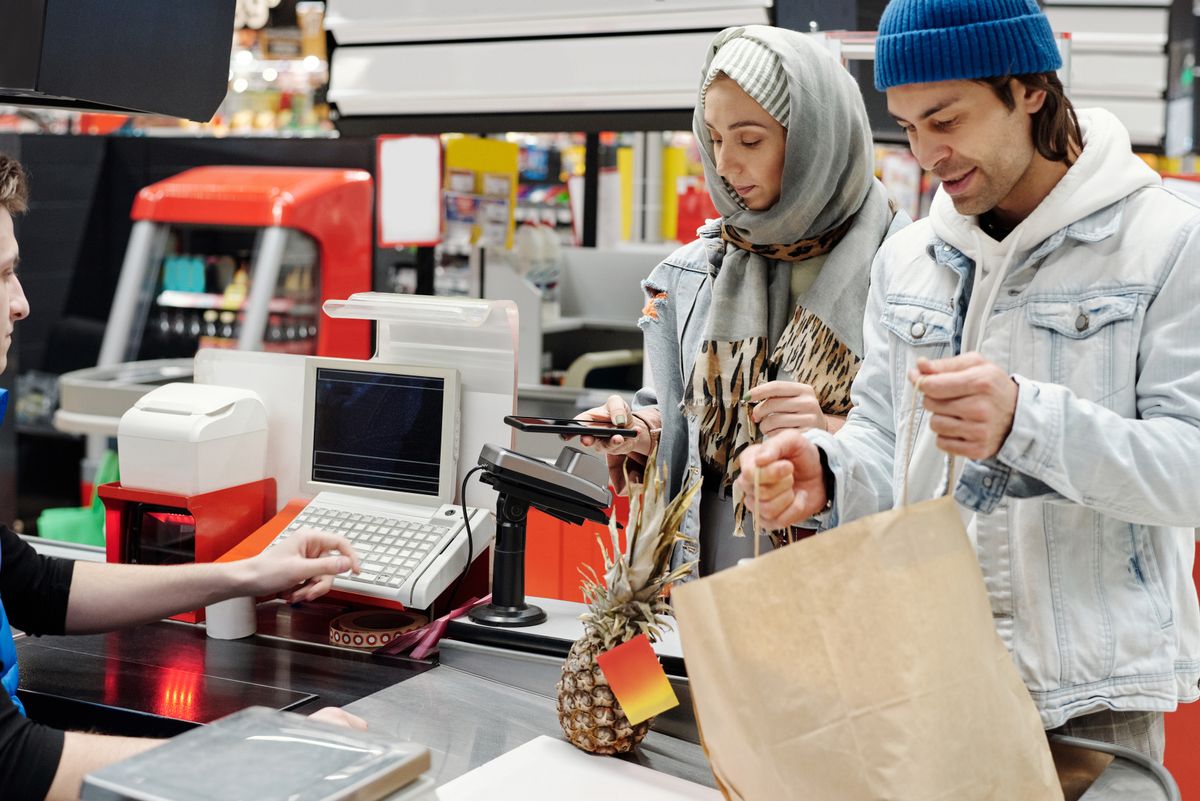
Imagine this: you’re at the checkout line at Loblaws on a bustling Saturday morning. Your cart is filled with groceries for the week, including fresh produce, cereal for the kids, and a couple of those irresistible snacks that somehow always sneak into the cart. You’re juggling your phone, a reusable bag, and your wallet. As you pay, you tuck the receipt into your pocket, promising yourself you’ll deal with it later. But later rarely comes, and by the time the end of the month rolls around, you’re left wondering where all your money went.
This scenario is all too familiar for many Canadian families. It highlights a common challenge: keeping track of daily expenses without letting them slip through the cracks. Enter the simple yet powerful habit of snapping your receipt right after you pay. This guide dives into the psychology behind this habit and why it’s a game-changer for managing finances in Canada.
a. Why snap receipts right away?
The concept of snapping a receipt immediately after a purchase may seem trivial, but it’s rooted in psychological principles that promote better financial management. According to the Financial Consumer Agency of Canada, maintaining a budget helps households understand their spending patterns and make informed decisions. The act of photographing a receipt serves as an immediate acknowledgment of the expense, reinforcing accountability and awareness right at the point of sale.
b. Canadian spending habits and the role of receipts
In 2026, Canadian households face numerous financial pressures, from rising inflation affecting grocery prices to fluctuating gas costs. The Bank of Canada notes that inflation impacts purchasing power, making it even more essential to track every dollar. For instance, a typical $85 grocery run or a $62 gas fill-up can quickly add up if not monitored. By snapping receipts, Canadians can instantly capture these expenses and categorize them, providing a real-time snapshot of their spending habits.
c. How Klyrr makes it easier
Klyrr, an AI-powered personal finance app designed for Canadian families, transforms this simple habit into a comprehensive financial overview. After snapping a receipt, Klyrr's AI categorizes the purchase, updates your spending dashboard, and offers insights without the need for spreadsheets. This process not only saves time but also reduces the likelihood of financial surprises at the end of the month. To see how Klyrr can streamline your budgeting process, visit Klyrr's website.
In conclusion, snapping receipts right after paying is more than just a habit—it's a strategic move towards better financial health. As you embrace this practice, you'll find yourself more in control, less stressed about finances, and better equipped to handle the ebb and flow of Canadian living expenses.

2. Video: Why Tapping Your Phone Feels Free But Pulling Out Cash Feels Expensive The Psychology Banks Exploit
Watch this overview, then apply the steps below with your own receipts and accounts.
3. Why this matters for Canadian families in 2026
In 2026, Canadian families are navigating a complex financial landscape, where every dollar counts more than ever. With inflation continuing to affect household budgets, the need for effective spending management has become crucial. The practice of snapping receipts right after paying is not just a habit—it's a strategy that can lead to better financial control and peace of mind. According to the Bank of Canada, inflation impacts purchasing power, making it essential for families to monitor their expenses closely.
a. The impact of inflation on family budgets
The effects of inflation are felt directly at the grocery store and gas station, where prices can fluctuate significantly. A typical Canadian family might spend around $85 on a grocery run at Loblaws or $62 for a gas fill-up at Petro-Canada. These seemingly small amounts add up over time, and without a clear picture of where the money goes, it can be challenging to stick to a budget. The Financial Consumer Agency of Canada emphasizes the importance of creating and maintaining a budget to manage these costs effectively. By snapping receipts immediately after purchase, families can track spending in real-time and adjust their budgets accordingly.
b. Common mistakes and how to avoid them
One of the biggest mistakes families make is waiting until the end of the month to reconcile expenses. This often leads to a backlog of receipts and missed spending patterns that could have been adjusted earlier. By adopting the habit of snapping receipts right after paying, families can avoid the stress of end-of-month budget reconciliation. This proactive approach is supported by financial advice from TD Bank and other major banks, which encourage customers to track expenses regularly to prevent overspending.
c. Practical steps for busy parents
For busy parents in cities like Toronto or Montréal, integrating this habit into daily routines can be straightforward and rewarding. After a grocery trip to Metro or a coffee run at Tim Hortons, snapping a receipt takes mere seconds. This simple act can be automated with tools like Klyrr, which offers AI-powered insights to make budgeting effortless. Start free with Klyrr and discover how snapping receipts can transform your financial awareness.
d. Real savings through receipt snapping
Receipt snapping at checkout offers a clear advantage over traditional, manual spreadsheet budgeting. Instead of waiting to reconcile expenses, families can see immediate insights into spending habits. For example, recognizing a recurring $10 subscription for a streaming service might prompt a discussion about its necessity, potentially saving $120 annually. This immediate visibility into spending can lead to more informed decision-making and ultimately, real savings.
By adopting the habit of snapping receipts right after paying, Canadian families can maintain better control over their finances, reduce stress, and make more informed financial decisions. As inflation continues to impact household budgets, this simple yet effective strategy becomes even more valuable for maintaining financial stability in 2026.

4. What Canadian banks and government agencies recommend
When it comes to managing your finances effectively, both Canadian banks and government agencies like the Financial Consumer Agency of Canada (FCAC) offer their insights on the importance of snapping receipts right after you pay. This practice, widely advocated by financial experts, not only helps in tracking expenses but also plays a crucial role in budgeting, especially in a fast-paced environment like Canada where inflation is a constant concern.
a. The FCAC's advice on budgeting
The Financial Consumer Agency of Canada emphasizes creating a realistic budget that reflects your actual spending habits. One of the most straightforward methods they recommend is keeping track of each purchase, starting with snapping receipts at checkout. This simple habit can prevent small purchases from adding up unnoticed, which is often a common pitfall for many Canadian families.
b. Bank of Canada's perspective on inflation
Understanding how inflation affects your purchasing power is crucial. According to the Bank of Canada, inflation can erode the value of your money, making it essential to track your spending regularly. By snapping receipts immediately after your purchases, you can maintain a clear picture of how inflation is impacting your finances, allowing you to adjust your budget accordingly.
c. Guidance from Canada's major banks
Canadian banks like TD, RBC, and Scotiabank also acknowledge the benefits of tracking expenses immediately. For instance, TD Bank provides resources and advice on personal finance, encouraging customers to keep a close eye on their daily expenses. Similarly, RBC and Scotiabank offer budgeting tools and advice that highlight the importance of tracking every dollar spent to manage your budget effectively.
d. Practical steps for busy parents
For parents in bustling cities like Toronto or Montréal, incorporating this habit into their routine can be a game-changer. Consider a typical $85 grocery run at Loblaws or a $62 gas fill-up at Petro-Canada. Snapping the receipt immediately after each transaction allows for real-time expense tracking, helping to avoid the end-of-month panic of sorting through a pile of receipts or relying on memory.
e. Comparing receipt snapping to month-end spreadsheets
Unlike the traditional method of compiling expenses at the end of the month, snapping receipts offers a more immediate and less overwhelming alternative. This proactive approach reduces the chances of missing transactions and helps in maintaining an up-to-date financial picture. It’s a method that aligns well with the hectic schedules of Canadian families, providing a simple yet effective way to manage household finances.
f. Addressing common mistakes
One common mistake Canadian families make is neglecting small transactions, assuming they don’t significantly impact their budget. However, as any financial advisor will tell you, these small expenses add up. By adopting the habit of snapping receipts, you can ensure that no expense goes untracked, ultimately leading to a more accurate budget.
g. The role of Klyrr in supporting this habit
Using tools like Klyrr, Canadians can enhance this habit even further. By snapping receipts, Klyrr’s AI categorizes each purchase, providing insights into your spending patterns and helping you make informed financial decisions without the hassle of spreadsheets. For those seeking a modern alternative to Mint, Klyrr offers a user-friendly platform that integrates seamlessly with your daily routine.
In conclusion, snapping receipts right after you pay is more than just a budgeting tactic; it’s a proactive step towards better financial management. By incorporating this habit into your routine, and utilizing tools like Klyrr, you can gain greater control over your finances and navigate the challenges of inflation more effectively.
5. Practical strategies and real CAD examples (Part 1)
In 2026, snapping receipts right after paying in Canada has become more than just a habit—it's a strategic move to keep your finances in check, especially with rising inflation rates affecting household budgets. Let's explore some practical strategies and real-life examples that show how this simple action can lead to smarter spending and savings.
a. Build a Habit with Small Wins
The first step to adopting the receipt-snapping habit is to start small. For instance, next time you're at Loblaws, take a moment to snap a photo of your $85 grocery receipt before you leave the store. This small action, repeated consistently, helps reinforce the habit and provides a clear picture of your spending patterns. According to Canada.ca's budgeting guide, tracking every dollar spent is crucial to effective budgeting, and snapping receipts is a straightforward way to achieve this.
b. Compare to Traditional Methods
Traditional budgeting methods often involve sitting down at the end of the month with a pile of receipts or a lengthy bank statement to categorize expenses. By snapping receipts immediately after making a purchase, you save time and reduce the mental load. For instance, if you fill up your car at Petro-Canada for $62, snapping the receipt right away ensures you capture that expense accurately, without having to remember it later. This real-time tracking is far more efficient than the end-of-month spreadsheet ritual many Canadians are used to.
c. Leverage Technology for Insights
Using tools like Klyrr can further enhance the receipt-snapping habit by providing AI-driven insights into your spending. After snapping a receipt, Klyrr categorizes the expense and updates your financial dashboard, offering you immediate feedback on your financial health. This is especially useful for busy parents in cities like Toronto or Montréal, who might not have the time to manually track every expense. You can start using Klyrr for free today to see these benefits firsthand.
d. Real Savings Through Awareness
Consider the case of a family noticing they spend $200 monthly on untracked parking fees. By snapping each parking receipt, they quickly identify this expense and decide to cut it in half by using public transport more often. This small change frees up $100 each month, which can be redirected towards savings or other financial goals. The Financial Consumer Agency of Canada emphasizes the importance of such awareness in managing household budgets effectively.
e. Collaborative Budgeting with Partners
For couples, snapping receipts is a great way to maintain transparency in shared finances. A common practice is to review receipts together weekly, asking questions like, "Are we aligning our spending with our shared goals?" This approach not only strengthens financial discipline but also improves communication about money matters. According to RBC's advice, regular financial check-ins are essential for maintaining healthy financial relationships.
f. Overcoming Inflation Challenges
With inflation impacting the cost of living in Canada, snapping receipts can help families stay ahead of price changes. For example, if you notice your weekly grocery bill rising from $85 to $95, this immediate insight allows you to adjust your budget promptly. The Bank of Canada notes that staying aware of these changes is key to maintaining purchasing power.
By integrating the habit of snapping receipts into your daily routine, you can transform the way you manage money, making budgeting easier and more effective. Stay tuned for Part 2, where we'll delve into additional strategies to maximize the benefits of receipt snapping in your financial journey.
6. Habits, Tools, and Week-by-Week Plan (Part 2)
a. Understanding the Habit Loop
Forming a habit of snapping receipts right after you pay can be transformative for your financial well-being. The habit loop consists of a cue, routine, and reward. The cue here is the act of making a purchase, whether it's a $85 grocery run at Loblaws or a $62 gas fill-up at Petro-Canada. The routine is snapping the receipt immediately. The reward is the instant satisfaction of knowing your expense is tracked, helping you avoid the month-end scramble.
b. Practical Tools for Canadian Families
Canadian families can leverage tools like the Financial Consumer Agency of Canada's budget planner to create a comprehensive financial plan. These tools work in tandem with apps like Klyrr, which allow you to snap receipts and categorize expenses in real-time. This eliminates the need for manual data entry and provides immediate insights into your spending patterns.
c. Week-by-Week Plan
Week 1: Starting Small
Focus on snapping receipts for daily purchases such as coffee runs at Tim Hortons or quick stops at Jean Coutu. Keep a small notebook or use your phone to jot down these expenses right after snapping the receipt. This will help you get into the habit of tracking without feeling overwhelmed.
Week 2: Expanding Scope
Start capturing receipts for larger expenditures, including groceries and gas. Allocate a few minutes daily to review your expenses in the app to ensure everything is categorized correctly. This practice will help you begin to see patterns and make minor adjustments to your spending.
Week 3: Involving the Family
Encourage your partner or family members to participate. Discuss shared expenses and use Klyrr’s family sharing feature to have a unified view of household spending. Having a clear picture of your financial health can reduce financial stress and improve family harmony. Learn more about family budgeting with Klyrr.
Week 4: Reviewing and Adjusting
By the fourth week, you'll have collected enough data to make informed decisions. Use the Bank of Canada's inflation insights to adjust your budget for rising costs. Analyze your spending habits and identify areas for improvement, such as cutting back on dining out or modifying your grocery list to include more affordable options.
d. Avoiding Common Mistakes
A common mistake is delaying the snapping of receipts, which can lead to lost receipts and forgotten expenses. Set reminders on your phone to ensure you snap your receipt immediately after paying. Another pitfall is not reviewing your expenses regularly. Make it a weekly habit to go through your transactions and adjust your budget accordingly.
e. Benefits Over Traditional Methods
Compared to the traditional month-end spreadsheet method, snapping receipts at checkout provides real-time data and insights. This proactive approach helps you avoid overspending and detect subscription leaks early. According to the Financial Consumer Agency of Canada, budgeting in real-time can significantly improve your financial health by providing a clear and immediate overview of your expenses.
f. How Klyrr Enhances the Experience
Klyrr simplifies the process by using AI to categorize expenses from your snapped receipts instantly. This means you spend less time manually tracking expenses and more time enjoying the benefits of a well-managed budget. The app's AI assistant can answer questions like, "Can we afford a night out this week?" making financial management a seamless part of your daily routine. Explore how Klyrr works.
g. Step-by-Step: Implementing the Plan
- Download Klyrr and explore its features.
- Snap every receipt after you pay, whether it’s a $30 meal at a local restaurant or a $45 parking fee in downtown Toronto.
- Review weekly to adjust your budget and spending habits.
- Engage your family in financial discussions to ensure everyone is on the same page.
h. Questions to Discuss with Your Partner
- How can we better manage shared expenses using the receipt snapping habit?
- What categories do we overspend on, and how can we adjust?
- Are there any subscriptions we can cancel or renegotiate?
- How does our spending align with our long-term financial goals?
- How can we use Klyrr’s insights to improve our financial health collectively?
i. Bottom Line
Implementing a habit of snapping receipts right after you pay can lead to significant financial clarity and savings. Utilize tools like Klyrr to streamline the process, involve your family, and regularly review your spending to stay on top of your financial goals. By adopting this habit, you'll transform your approach to budgeting and gain control over your financial future. Start your journey with Klyrr today.
7. Receipt snapping vs spreadsheets vs bank apps — honest comparison
In Canada, managing household finances can often feel like a juggling act. With fluctuating expenses and the ever-present threat of inflation, as highlighted by the Bank of Canada, it's crucial to adopt a budgeting method that fits seamlessly into your daily routine. Let's explore how snapping receipts at checkout compares to traditional spreadsheets and bank apps.
a. The immediacy of receipt snapping
The practice of snapping a receipt immediately after making a purchase — whether it's a $100 grocery haul at Loblaws or a $50 fill-up at Petro-Canada — offers an immediate sense of control. This habit aligns with recommendations from the Financial Consumer Agency of Canada to track spending closely, providing real-time insights into where your money is going.
Unlike spreadsheets that require you to sit down at the end of the month, or bank apps that may not categorize expenses accurately, snapping a receipt captures the transaction when it's fresh in your mind. This reduces the likelihood of missing small but significant expenses, such as a $12 coffee run at Tim Hortons or a $30 pharmacy purchase at Jean Coutu.
b. Spreadsheets: the once-a-month slog
Spreadsheets have long been a staple for budgeting enthusiasts, but they come with their own set of challenges. They require manual data entry, which can be time-consuming and error-prone. Many Canadians experience burnout from the laborious task of entering and categorizing each expense, leading to abandoned budget plans. According to the Financial Consumer Agency of Canada, a common mistake is underestimating the time and effort needed to maintain a detailed budget spreadsheet.
While spreadsheets offer a comprehensive view of your finances, they often lack the immediacy needed to adjust spending habits dynamically. For example, noticing a $150 overspend on dining out at the end of the month is less helpful than realizing it after a $45 meal early on.
c. Bank apps: limited insights
Bank apps provide a convenient way to check balances and recent transactions, but they fall short in offering detailed insights. Many Canadians find that bank apps categorize expenses broadly, missing out on the nuances that could help in optimizing budgets. For instance, a $200 charge at Costco might simply appear as "Shopping," without differentiating between groceries, household items, or clothing.
Moreover, bank apps are typically limited to a single institution, lacking a unified view if you hold accounts across multiple banks. This is where tools like Klyrr shine, offering a consolidated and categorized picture of your finances, whether you're banking with TD, RBC, Scotiabank, BMO, or CIBC.
d. Real-world savings with receipt snapping
Consider the following CAD examples that illustrate the potential savings from adopting a receipt snapping habit:
- Groceries: By snapping each grocery receipt, you can quickly identify trends like a $85 weekly grocery run turning into $100 due to impulse buys.
- Gas: Photographing a $62 gas fill-up helps track fluctuations in fuel prices and adjust your budget accordingly.
- Subscriptions: Catching recurring charges, such as a $15 monthly streaming service, becomes easier when receipts are regularly reviewed and categorized.
e. Conclusion: The Klyrr advantage
Klyrr's approach to personal finance leverages the simplicity of snapping receipts, complemented by AI-driven insights. This method not only tracks expenses in real-time but also helps Canadian families maintain a balanced budget without the burden of spreadsheets. For busy parents in Toronto or Montréal, adopting this habit can transform financial management from a daunting task into a manageable routine. Start your journey towards financial clarity today by learning more about how Klyrr works.
8. Step-by-step: what to do today, this week, and this month
Incorporating the habit of snapping receipts right after paying can transform your financial habits and reduce stress. Here's how you can start today and continue to optimize your spending over time.
a. Today: Snap your receipts
Start by committing to snap every receipt today. Whether you're grabbing groceries at Loblaws, filling up at Petro-Canada, or picking up a prescription at Jean Coutu, take a moment to capture the receipt with your phone. This simple act can provide immediate clarity on your spending patterns.
- Grocery run at Loblaws: $85
- Gas fill-up at Petro-Canada: $62
- Pharmacy visit at Jean Coutu: $45
By snapping these receipts, you immediately have a record of the spending for Klyrr's AI to categorize and analyze. This first step is crucial to developing the habit of mindful spending. As the FCAC suggests, tracking your expenses is foundational to successful budgeting.
b. This week: Review and reflect
At the end of the week, take a few minutes to review the receipts you've snapped. Use a tool like Klyrr to see how your spending aligns with your budget categories. This reflection helps you understand where your money is going and highlights any unexpected patterns or overspending.
- Lunches at Tim Hortons: How often are these occurring, and is there room to cut back?
- Gasoline expenses: With prices fluctuating due to inflation, are there alternative routes or modes of transport that could save you money?
During this reflection, consider discussing your findings with your partner or family. Ask questions such as, "Are we comfortable with our dining out budget?" or "How can we reduce our gas expenses?" This dialogue can foster better financial harmony and shared goals, as highlighted in Scotiabank's Advice+.
c. This month: Set future goals
As the month progresses, use the data you've collected to set realistic financial goals. This could be reducing your grocery bill by $50 or limiting unnecessary subscriptions. Apply insights from your weekly reflections to adjust your budget and spending habits. The Bank of Canada notes that understanding inflation's impact on household costs is vital, so keep that in mind as you plan.
- Cancel unused subscriptions: Identify and eliminate any that don't add value, potentially saving you $20–$40 monthly.
- Plan meals to reduce grocery expenses: Implement a meal plan to decrease last-minute takeout or unplanned grocery trips.
By the end of the month, you should have a clearer picture of your spending habits and a refined budget that aligns with your financial goals. Remember, tools like Klyrr can make this process easier by providing AI-driven insights and categorization that help track spending without the need for tedious spreadsheets.
Pro tip: Consistency is key. Keep snapping and reviewing, and soon this habit will become a seamless part of your routine, potentially saving you hundreds of dollars annually. For more tips on maintaining financial health, check out our blog.
By following these steps, you can effectively manage your finances, reduce unnecessary expenses, and make informed decisions about your money. Embrace this journey towards financial clarity and control, tailored specifically for Canadian households.
9. 10 Detailed questions Canadians actually ask
When it comes to managing finances, many Canadians are curious about the best methods for tracking expenses like snapping receipts right after paying. Here are ten common questions and their answers:
a. What is the advantage of snapping a receipt immediately after paying?
Snapping a receipt right after a purchase helps you capture spending details when they're fresh, reducing the risk of losing important data later. This habit aligns with Canada's Financial Consumer Agency advice on maintaining an accurate budget by tracking expenses closely. By capturing receipts immediately, you ensure every dollar spent is accounted for, which is crucial in today's inflationary environment where every cent matters.
b. How does this habit compare to end-of-month spreadsheet budgeting?
Snapping receipts provides real-time tracking, eliminating the time-consuming task of sorting through a month's worth of expenses at once. Unlike spreadsheet budgeting, which often leads to inaccuracies due to forgotten purchases, receipt snapping offers a more dynamic and accurate reflection of your spending. For instance, capturing a $127 grocery run at Loblaws or a $68 gas fill-up at Petro-Canada as they happen helps maintain an up-to-date overview of your finances.
c. How can I make this a habit without feeling overwhelmed?
Start by integrating receipt snapping into your daily routine. After each purchase, whether it's a quick coffee at Tim Hortons or a pharmacy visit to Jean Coutu, take a moment to snap the receipt. Using apps like Klyrr simplifies this process, as you can quickly photograph and categorize expenses on the go without needing to set aside time for tedious data entry.
d. What mistakes should I avoid when snapping receipts?
One common mistake is failing to organize receipts immediately, leading to clutter and missed entries. Another is not regularly reviewing your snapped receipts, which can result in missed insights. Ensure that each receipt is categorized correctly — groceries, transport, dining, etc. — and check your spending trends weekly to adjust your budget as needed. The Bank of Canada emphasizes the importance of staying informed about your spending patterns to combat inflation effectively.
e. How does inflation impact the importance of this habit?
With the cost of living on the rise, tracking expenses becomes even more critical. Snapping receipts allows you to monitor price changes and adjust your budget accordingly, helping you manage your finances proactively. For example, if you notice your monthly grocery spending at Costco has jumped from $400 to $450, it might be time to reassess your shopping list or look for discounts.
f. What are the benefits of using an app like Klyrr for this?
Apps like Klyrr offer a seamless experience by automatically categorizing expenses and updating your financial dashboard in real time. This helps you understand spending habits without the hassle of manual data entry. Additionally, Klyrr provides insights such as a financial health score and subscription detection, which can alert you to recurring charges you might have forgotten.
g. How can couples use this habit to improve financial harmony?
Couples can benefit from shared financial transparency by snapping receipts. This habit allows both partners to stay informed about their spending, reducing the likelihood of financial disputes. Regularly reviewing each other's spending can lead to more productive discussions about budgeting goals and shared financial responsibilities.
h. Are there any free tools available for Canadians now that Mint has shut down?
Yes, Canadians can use free tools like Klyrr, which offers receipt snapping and AI-powered financial insights at no cost. This can be a valuable resource for families looking to track expenses without investing in expensive software. The Financial Consumer Agency of Canada also provides various budgeting tools and calculators to help Canadians manage their finances effectively.
i. How do banks like TD and RBC view this approach?
Canadian banks such as TD and RBC encourage customers to stay on top of their finances by tracking spending closely. Receipt snapping complements this advice by providing a proactive way to manage day-to-day expenses, thereby aligning well with the financial literacy initiatives banks promote.
j. How do I handle cash purchases without a receipt?
For cash purchases, you can manually enter the details into your financial tracking app. This ensures that even non-receipt transactions are accounted for. Apps like Klyrr allow for quick manual entry, so you can easily input the amount, merchant, and category, ensuring a complete picture of your spending habits.
Klyrr is free AI personal finance for Canadians. Snap receipts, get advice, share with your family — no credit card required. Start free →
10. How Klyrr helps and your free next step
In the bustling world of Canadian families, where time is a precious commodity, Klyrr offers a seamless solution to financial management by transforming the often overlooked habit of snapping receipts into a powerful budgeting tool. Klyrr empowers users to take control of their finances with the simple action of snapping a receipt right after paying — a habit recommended by the Financial Consumer Agency of Canada for keeping an accurate and up-to-date budget.
a. The Klyrr Advantage: Real-Time Insights
Klyrr's AI-driven platform takes your receipt snaps and instantly categorizes them into familiar spending categories, such as groceries, gas, and dining out. This means that after a quick $85 grocery run at Loblaws or a $62 gas fill-up at Petro-Canada, you can immediately see how these expenses fit into your monthly budget, all in Canadian dollars. This real-time insight not only helps in staying on top of your budget but also allows for immediate adjustments if needed, preventing overspending before it happens.
b. AI-Powered Advice Without the Jargon
One of Klyrr's standout features is its AI assistant, which provides personalized financial advice in plain language. This is particularly useful for busy parents and grandparents who may not have the time or inclination to delve into complex financial analysis. Whether it's determining if you can afford a family outing or understanding the impact of a recent subscription charge, the AI is there to guide you. For a deep dive into how AI can simplify your budgeting, check out our blog post on AI personal finance.
c. Shared Financial Wellness
Klyrr also facilitates family harmony by offering shared finance files, allowing partners to have a unified view of their household spending. This feature can help couples avoid common money arguments and ensure that both parties are on the same page financially. It's as simple as one partner snapping the receipt at Costco while the other keeps track of the gas expenses — all updates are made in real time.
d. Practical Steps for Immediate Impact
Getting started with Klyrr is simple and free. Here's how you can take your first step towards financial clarity:
- Sign up free at Klyrr's website.
- After your next shopping trip, snap the receipt before you leave the store.
- Open Klyrr and see how your spending affects your budget instantly.
- Use the AI assistant to ask questions like, "How much have we spent on dining out this month?"
e. Embracing Inflation-Proof Budgeting
With the rising costs due to inflation, as reported by the Bank of Canada, the ability to track spending at the moment of purchase is more critical than ever. Klyrr's approach helps Canadian households stay resilient against inflationary pressures by providing immediate feedback and actionable insights.
f. Bottom Line
In a world where Mint has exited the Canadian market, Klyrr stands out as a practical, privacy-focused alternative that requires no bank passwords and respects your data. By adopting the habit of snapping receipts and leveraging Klyrr's AI capabilities, you can transform your financial management from a daunting task into a manageable daily habit. Start today and experience the relief of knowing exactly where your money goes. Start free →
11. Quick comparison: old way vs Klyrr way
| Approach | Effort | Real-time clarity | Family sharing | Cost |
|---|---|---|---|---|
| Spreadsheet only | High — manual entry | No — weeks behind | Difficult | Free but time-consuming |
| Bank app only | Low | Partial — categories limited | Rare | Free |
| Snap receipts + Klyrr | Low — photo at checkout | Yes — same day | Built-in shared files | Free tier |