


Effortless Pharmacy Receipt Tracking for Canadian Families
Klyrr Team · Aug 3, 2026 · 25 min read
Table of contents
- A Relatable Canadian Money Moment and Why This Guide Exists
- Canadian Households in 2026 (CAD, Provinces, Real Life)
- The Impact of Small Expenses on Family Budgets
- Common Mistakes in Tracking Pharmacy Expenses
- Practical Steps for Budget-Conscious Families
- The Role of Inflation in Household Budgets
- Why Receipts Matter More Than Ever
- Utilizing Free Tools and Resources
- Enhancing Family Communication on Finances
- Real-Life Savings Strategies
- Conclusion: The Small Steps Toward Financial Wellness
- Video: How I Budget My Nurse Paycheque in Canada (The System That Changed My Finances)
- Trusted sources (CRA, canada.ca, banks, FCAC)
- Why Official Guidelines Matter
- Tracking Pharmacy Receipts: CRA and FCAC Insights
- Official Bank Advice: How Big Banks Guide Customers
- Common Mistakes and How to Avoid Them
- Practical Steps for Busy Families
- Inflation and Its Impact on Pharmacy Budgets
- Leveraging Free Tools for Effective Budgeting
- Real-Life Savings Examples
- Questions for Couples: Discussing Shared Expenses
- The Role of Receipt Snapping in Budget Management
- Practical Strategies with Real CAD Examples (Part 1)
- Next-dollar Priorities, Habits, and a Week-by-Week Plan (Part 2)
- Prioritizing Small Receipts for Big Impact
- The Role of Habits in Managing Pharmacy Spending
- Week-by-Week Plan for Better Budgeting
- Real CAD Examples to Illustrate Potential Savings
- Mistakes to Avoid in Pharmacy Receipt Tracking
- Questions to Enhance Couple's Spending Discussions
- Inflation's Impact on Pharmacy Budgets in 2026
- Free Tools for Post-Mint Budgeting in Canada
- Addressing the 'Jean Coutu Receipt Budget' Challenge
- Shoppers Drug Mart Spending: A Tracking Necessity
- English + French terms Canadians search (TFSA/CELI, RRSP/REER, FHSA/CELIAPP)
- Bank Sync, Receipt Snap, and Why Spreadsheets Fail
- What to Do Today, This Week, and This Month
- Ten Detailed Questions Canadians Actually Ask
- Why Is Tracking Pharmacy Receipts Important for Canadian Households?
- How Much Do Canadians Typically Spend on Pharmacy Needs?
- What Are the Common Mistakes in Pharmacy Receipt Tracking?
- How Do Major Canadian Banks Advise on Tracking Small Purchases?
- What Practical Steps Can Families in Toronto or Montréal Take for Better Tracking?
- How Does Receipt Snapping Complement Bank Transaction Sync?
- What Are Some Examples of Real Savings from Tracking Pharmacy Receipts?
- How Should Couples Discuss Shared Spending on Health-Related Items?
- How Does Inflation Affect Pharmacy Spending in Canada?
- What Free Tools Are Available for Canadians to Track Pharmacy Expenses?
- Secure Bank Connect, AI Insights, and Your Free Next Step
- Quick comparison: old way vs Klyrr way
1. A Relatable Canadian Money Moment and Why This Guide Exists
a. The Everyday Pharmacy Run
Picture this: You're a busy parent in Toronto, juggling work, school drop-offs, and meals. Suddenly, you realize your child is running low on allergy medication. Off you go to your local Shoppers Drug Mart or Jean Coutu, where you grab the medicine, maybe a quick snack for the ride home, and some vitamins that were on sale. It’s a quick trip that doesn’t seem like much — until you start adding up these seemingly small expenses over time.
b. Why Small Receipts Matter
In the hustle and bustle of daily life, it's easy to overlook the impact of these small pharmacy runs on your family budget. According to Canada.ca's budget guide, tracking every expense, no matter how trivial it seems, is crucial to effective budgeting. Even a $20 pharmacy receipt, when multiplied over several months, can add up to a significant amount, potentially hundreds of dollars annually. This guide is here to help you recognize the value of tracking these small expenses, providing practical steps for incorporating them seamlessly into your family’s financial routine.
c. The Impact of Inflation
With inflation affecting everyday prices, the cost of pharmaceuticals and health-related products is on the rise. As noted by the Bank of Canada, inflation can quietly erode purchasing power, making it all the more important to monitor where your money goes. This guide will show you how understanding the details of your pharmacy spending can help cushion against these economic shifts, ensuring your budget remains intact.
d. Common Mistakes and How to Avoid Them
Many Canadian families make the mistake of not tracking small purchases like those made at pharmacies, assuming they’re too minor to matter. However, these overlooked expenses can lead to budget shortfalls. The key is consistency. By incorporating every receipt into your financial tracking system, you gain a clearer picture of your spending habits.
e. How Klyrr Can Help
Here’s where tools like Klyrr come into play. With features designed to simplify expense tracking, Klyrr allows you to snap a photo of your pharmacy receipt as soon as you make the purchase. This habit ensures no transaction goes unrecorded, helping you maintain an accurate budget without the hassle of end-of-month spreadsheet sessions.
f. Start Tracking Today
This guide exists to empower Canadian families to take control of their finances by paying attention to every dollar spent, no matter how small. By adopting the habit of tracking even the tiniest expense, you can uncover savings opportunities and make informed financial decisions that benefit your household in the long run. Let's dive into the practical steps you can take today to start turning those small receipts into big savings.

2. Canadian Households in 2026 (CAD, Provinces, Real Life)
a. The Impact of Small Expenses on Family Budgets
In 2026, Canadian households will continue to navigate a landscape where every dollar counts. The importance of tracking small expenses, like those from pharmacy runs, cannot be overstated. While a quick trip to Jean Coutu or Shoppers Drug Mart for essentials like medication or toiletries might seem trivial, these small purchases can accumulate significantly over time. According to the Financial Consumer Agency of Canada, creating a detailed budget that includes tracking all expenses, even the small ones, is crucial for maintaining financial health.
b. Common Mistakes in Tracking Pharmacy Expenses
Many Canadian families overlook the impact of small, frequent expenses. One of the most common mistakes is failing to record cash purchases immediately, which can lead to inaccuracies in budgeting. Relying solely on bank statements may not capture all details, such as cash transactions or split payments. Using tools like Klyrr, which enables snapping receipts at checkout, can help ensure that no transaction goes untracked, providing a more comprehensive view of household spending. Learn more about effective tracking methods with Klyrr here.
c. Practical Steps for Budget-Conscious Families
Families in major cities like Toronto and Montréal can take practical steps to improve their budgeting by integrating technology into their routine. By connecting their bank accounts for automatic transaction syncing, families can reduce the manual effort involved in month-end reconciliations. This method complements the habit of snapping receipts, ensuring that cash purchases at pharmacies are also accounted for. TD and RBC recommend using digital tools to streamline expense tracking, offering insights into spending patterns and opportunities for savings.
d. The Role of Inflation in Household Budgets
Inflation continues to affect household budgets, with the cost of living increasing steadily. The Bank of Canada highlights that inflation can erode purchasing power, making it more difficult for families to maintain their standard of living without careful budget management. As prices rise, small expenses like pharmacy purchases can have a more significant impact on the overall budget, emphasizing the need for diligent tracking and adjustment of spending habits.
e. Why Receipts Matter More Than Ever
Every receipt is a piece of the financial puzzle, providing insights into spending habits and potential areas for savings. For example, a $25 purchase at a pharmacy might seem insignificant, but when combined with similar spends over a month, it can represent a substantial portion of a family's discretionary budget. By consistently tracking these expenses, families can identify patterns and make informed decisions about where to cut back or allocate funds more effectively.
f. Utilizing Free Tools and Resources
With the discontinuation of popular tools like Mint, Canadians are exploring new options for managing their finances. The FCAC Budget Planner offers a robust solution for creating and maintaining a comprehensive budget. Additionally, apps like Klyrr provide innovative features such as AI-powered categorization and real-time updates, making it easier than ever for families to keep track of their financial health.
g. Enhancing Family Communication on Finances
Discussing finances openly with family members can lead to better budget management. Couples should regularly review their spending habits and set mutual goals. Questions like, "How much did we spend on pharmacy items last month?" or "Are there any recurring purchases we can eliminate?" can lead to meaningful conversations and more strategic financial planning.
h. Real-Life Savings Strategies
Consider this: a family that tracks every $85 grocery run or $62 gas fill-up can identify areas to reduce costs and reallocate funds toward savings or debt reduction. By applying the same diligence to pharmacy expenses, families can uncover additional savings opportunities, contributing to a healthier financial future.
i. Conclusion: The Small Steps Toward Financial Wellness
In 2026, the path to financial wellness for Canadian households involves more than just managing large expenses. By paying attention to the small, everyday purchases and utilizing the right tools and strategies, families can maintain control over their finances and work towards achieving their long-term goals. For a deeper dive into effective budgeting techniques, explore our AI Expense Categorization in Canada: Avoid Common Mistakes article.
3. Video: How I Budget My Nurse Paycheque in Canada (The System That Changed My Finances)
Watch this overview, then apply the steps below with your own receipts and accounts.

4. Trusted sources (CRA, canada.ca, banks, FCAC)
a. Why Official Guidelines Matter
In the realm of personal finance, particularly when it comes to pharmacy receipt tracking Canada, relying on trusted sources like the Canada Revenue Agency (CRA), Financial Consumer Agency of Canada (FCAC), and major banks is crucial. These institutions provide guidelines that help Canadians manage their finances effectively, ensuring that small expenses don’t slip through the cracks. The FCAC emphasizes the importance of meticulous record-keeping as a fundamental part of budgeting. By understanding official recommendations, families can better control their spending, leading to improved financial wellness.
b. Tracking Pharmacy Receipts: CRA and FCAC Insights
The CRA and FCAC both highlight the significance of keeping detailed records of all spending, including small pharmacy purchases. According to the CRA, tracking these expenditures can aid in accurately calculating medical expense tax credits and other deductions. The FCAC's budgeting tools, available on Canada.ca, encourage Canadians to log every expense to understand their spending habits better. This approach provides a clearer picture of where funds are going and helps identify potential areas for savings.
c. Official Bank Advice: How Big Banks Guide Customers
Major Canadian banks like TD, RBC, Scotiabank, BMO, and CIBC offer personalized financial advice to help customers manage their budgets. For example, RBC's Advice Centre provides tips on budgeting and saving, emphasizing the importance of keeping track of all purchases, including those from pharmacy runs. Similarly, TD's Personal Finance Advice includes strategies for logging expenses to prevent impulse buying and ensure that small costs don’t accumulate unnoticed.
d. Common Mistakes and How to Avoid Them
Many Canadian families underestimate the impact of small expenses, such as pharmacy runs, on their overall budget. A common mistake is neglecting to record these transactions, which can lead to overspending. By using tools like Klyrr, families can easily snap receipts at checkout and track their spending in real time. This habit helps prevent the accumulation of unaccounted costs and aligns with recommendations from trusted sources.
e. Practical Steps for Busy Families
Busy parents in cities like Toronto or Montréal can take immediate actions to improve their budget tracking. Utilize financial apps that offer features like automatic bank sync and receipt snapping, such as Klyrr. This tool allows you to connect your bank for effortless tracking of all transactions, complementing manual receipt entries. By doing so, you can efficiently manage your pharmacy expenses and maintain a balanced budget.
f. Inflation and Its Impact on Pharmacy Budgets
Inflation in Canada has a direct effect on household budgets, increasing the cost of everyday items, including pharmacy products. The Bank of Canada provides insights into how inflation impacts purchasing power, underscoring the necessity of vigilant budget tracking. Keeping detailed records of pharmacy receipts can help families adjust their budgets in response to inflationary pressures, ensuring they remain on track financially.
g. Leveraging Free Tools for Effective Budgeting
With the discontinuation of Mint, Canadians are seeking new tools to manage their finances. Free resources like the FCAC’s Budget Planner offer valuable assistance. These tools are designed to help Canadians track their spending, including small receipts from pharmacy runs, thereby promoting better financial decision-making.
h. Real-Life Savings Examples
Consider the impact of consistent tracking: an $85 grocery run or a $62 gas fill-up might seem insignificant on its own, but these costs add up over time. By snapping receipts and logging these expenses, families can uncover patterns and identify areas for potential savings. For instance, realizing that frequent small pharmacy purchases are ballooning your budget can lead to more strategic shopping habits.
i. Questions for Couples: Discussing Shared Expenses
Open communication about shared spending is vital. Couples should regularly discuss questions like, “How much are we spending on pharmacy items each month?” and “Are there cheaper alternatives for our regular purchases?” By addressing these questions, partners can ensure they’re aligned on financial goals and avoid unnecessary overspending.
j. The Role of Receipt Snapping in Budget Management
Receipt snapping at checkout is an essential practice for capturing all cash spending that might not appear in bank statements. This method complements automatic bank transaction sync, providing a comprehensive view of all expenditures. With tools like Klyrr, Canadians can effortlessly integrate this habit into their routine, ensuring that no expense goes unnoticed.
By adhering to recommendations from trusted sources and leveraging modern financial tools, Canadian families can gain greater control over their finances, making every dollar count. Discover more about how Klyrr can assist with AI expense categorization for a seamless budgeting experience.
5. Practical Strategies with Real CAD Examples (Part 1)
a. Focus on Small Receipts for Big Impact
Tracking small receipts from pharmacy runs, like those from Jean Coutu or Shoppers Drug Mart, can significantly impact a family's budget. While each receipt might be just $15 to $30, these transactions add up over a month, especially in cities like Toronto or Montréal where pharmacy runs are frequent. According to Canada.ca, creating a budget that includes every expense, no matter how small, is essential for household financial health. The Financial Consumer Agency of Canada (FCAC) also emphasizes using tools that help keep track of all spending categories, including pharmacy purchases.
b. Utilize Receipt Tracking Apps
To streamline the process, consider using an app like Klyrr, which offers features such as AI expense categorization and bank sync capabilities. While snapping receipts at checkout complements automatic bank transaction sync, it particularly shines for cash purchases or when the bank sync may miss minor details. This dual approach ensures that every dollar spent is accounted for, allowing for more accurate budgeting and spending insights. Learn more about how Klyrr can help you manage your expenses by visiting Klyrr's AI Budgeting page.
c. Understand the Impact of Inflation
In 2026, inflation continues to affect household budgets in Canada, impacting the cost of everyday items, including pharmacy goods. As noted by the Bank of Canada, understanding inflation's effect on purchasing power is crucial. For instance, if inflation raises the cost of medication by 3%, a monthly pharmacy budget might increase from $100 to $103, which can squeeze tight budgets further if not tracked and adjusted accordingly.
d. Example: Monthly Pharmacy Spending in CAD
Let’s consider a typical Canadian family with monthly pharmacy expenses. If a family spends $25 on vitamins, $40 on prescription refills, and $15 on personal care items, their total pharmacy spending could easily reach $80 per month. Over a year, this amounts to $960, highlighting the importance of tracking these seemingly small expenses. By accounting for these costs, families can better manage their overall budget and potentially reallocate savings towards other financial goals like a TFSA (Tax-Free Savings Account).
e. Leverage Bank Resources and Advice
Major Canadian banks like TD, RBC, and BMO offer advice on budgeting, including tips on tracking everyday expenses. TD Bank's personal finance section provides insights on how to incorporate all types of spending into a budget. Similarly, RBC's Advice Centre offers resources for managing money effectively, emphasizing the importance of capturing all expenses. Utilizing these resources can enhance your financial literacy and budgeting skills.
f. Plan Family Discussions Around Spending
Having regular conversations about spending habits can help families align their financial goals. Discussing how much is spent on pharmacy runs and finding ways to reduce unnecessary purchases can lead to better financial management. Questions like, "How can we reduce our pharmacy spending this month?" or "Did we track all our purchases accurately?" can guide these discussions, fostering a team approach to budgeting.
g. Find Free Tools for Budgeting
With the discontinuation of Mint in Canada, many Canadians are searching for new tools to manage their finances. Fortunately, several free alternatives are available, such as the FCAC's Budget Planner, which offers a comprehensive overview of spending categories, including pharmacy expenses. These tools can help families maintain control over their finances without incurring additional costs.
h. Optimize Grocery and Gas Spending
In addition to pharmacy receipts, tracking grocery and gas expenses can yield significant savings. For example, a $85 grocery run and a $62 gas fill-up might seem routine, but identifying patterns and areas for cost-cutting can free up funds for other needs. By analyzing these expenses alongside pharmacy spending, families can optimize their budget and potentially save hundreds of dollars annually.
By employing these strategies and leveraging the right tools, Canadian families can gain better control over their finances, ensuring that every dollar is used effectively to meet their needs and financial goals.
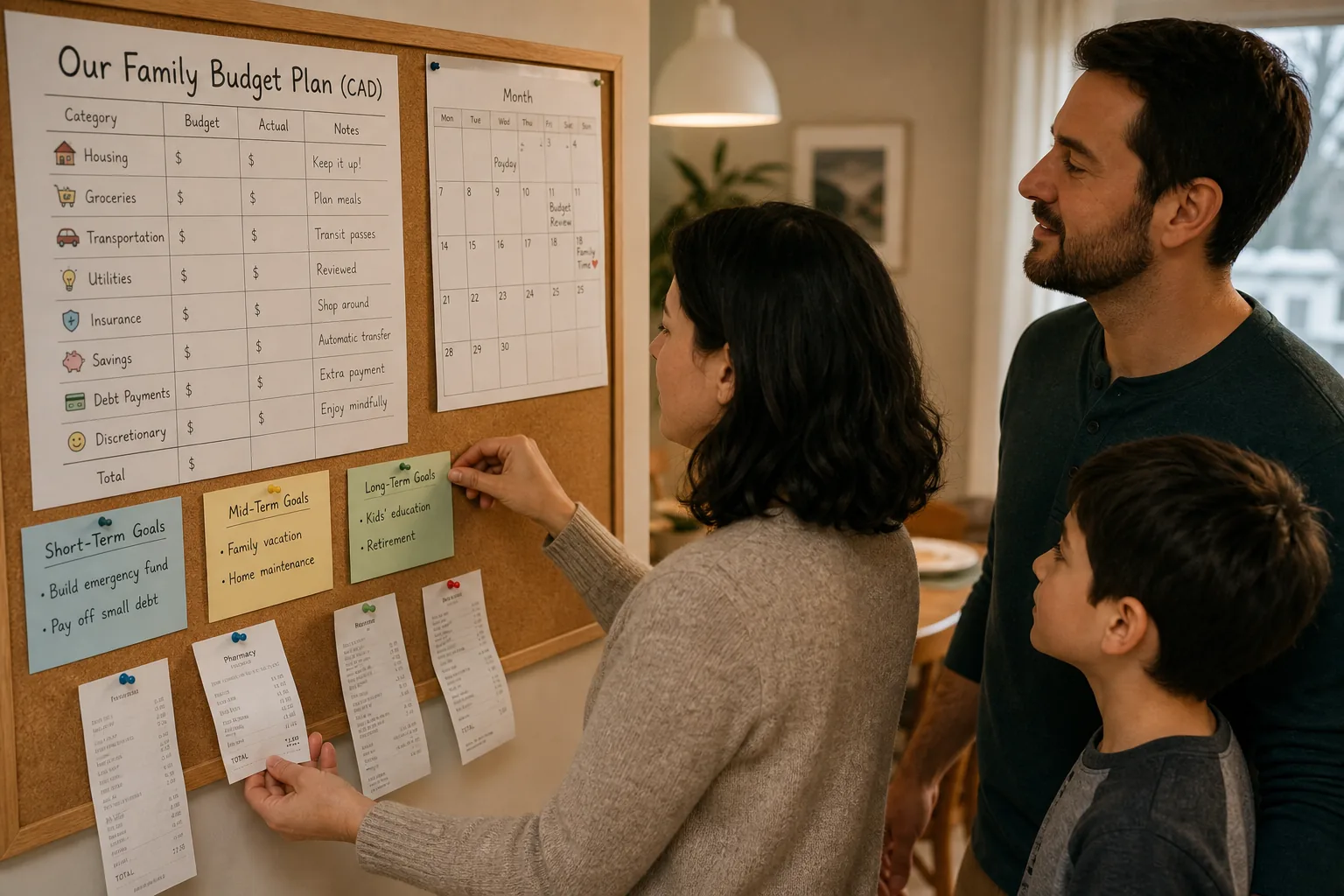
6. Next-dollar Priorities, Habits, and a Week-by-Week Plan (Part 2)
a. Prioritizing Small Receipts for Big Impact
When it comes to family budgeting, the small receipts from pharmacy runs can make a significant difference. According to the Financial Consumer Agency of Canada (FCAC), tracking every expense, no matter how minor, is crucial in understanding where your money goes. This is particularly true for pharmacy purchases, which often include essential items like prescriptions, over-the-counter medications, and personal care products. Given the cost of living and inflation in Canada, which the Bank of Canada discusses extensively, these small expenditures can quickly add up, affecting your overall budget.
b. The Role of Habits in Managing Pharmacy Spending
Establishing a habit of tracking pharmacy receipts can prevent financial surprises. Busy parents in cities like Toronto or Montréal can make a habit of snapping receipts right at the checkout, a simple action that takes seconds but provides long-term clarity. This aligns with the "Pay → Snap → Understand" approach that Klyrr promotes, encouraging users to photograph receipts immediately to capture spending in real-time. This habit not only ensures accuracy but also complements automatic bank syncs, which might miss cash transactions or small purchases not reflected in bank statements.
c. Week-by-Week Plan for Better Budgeting
To effectively manage your pharmacy budget, consider implementing a week-by-week plan. Start by setting a realistic weekly allowance for pharmacy expenses based on your historical spending. For instance, if you typically spend around $50 per week on pharmacy items, allocate this amount and track each purchase against it. This approach helps in recognizing patterns, such as frequent purchases of non-essential items, which can be adjusted in future weeks to make room for more critical expenses.
d. Real CAD Examples to Illustrate Potential Savings
Let's consider a few CAD examples to highlight potential savings through mindful tracking. Suppose you have a weekly pharmacy budget of $50. In one week, you make a $25 purchase on essential prescriptions and another $20 on personal care items, leaving you with $5 unspent. Rather than seeing this as a small, insignificant amount, roll it over into next week's budget or allocate it towards a savings goal. Over a month, these small adjustments can add up to substantial savings, potentially freeing up $20 or more that can be redirected towards other financial priorities like an RESP (REEE) for your child's education.
e. Mistakes to Avoid in Pharmacy Receipt Tracking
One common mistake is neglecting to track small cash transactions, which can skew your budget. Another is not categorizing purchases correctly, leading to inaccurate financial insights. Canadian banks like RBC emphasize the importance of correct categorization for accurate budgeting. Avoid these pitfalls by using tools like Klyrr, which can help categorize expenses automatically and provide a clear dashboard view of your finances.
f. Questions to Enhance Couple's Spending Discussions
For couples managing shared finances, regular discussions about spending can enhance financial harmony. Questions to consider include: Are we sticking to our pharmacy budget? Are there recurring purchases we can reduce? How do these expenses align with our overall financial goals? Such discussions can lead to better financial decisions and a more cohesive approach to managing household expenses.
g. Inflation's Impact on Pharmacy Budgets in 2026
Inflation can affect your pharmacy budget significantly. As prices rise, your $50 weekly budget might not stretch as far, requiring adjustments to maintain the same level of purchasing power. Keeping an eye on inflation trends and adjusting your budget accordingly is crucial. The Bank of Canada provides resources to understand these trends and how they might affect your household expenses.
h. Free Tools for Post-Mint Budgeting in Canada
With Mint no longer available, Canadians need alternative tools for budgeting. Klyrr offers a robust solution with features like receipt snapping and automatic bank syncs, allowing users to manage their finances with ease. The platform supports both English and French, making it accessible to a wider audience across Canada. Sign up for free at Klyrr to start managing your budget effectively.
i. Addressing the 'Jean Coutu Receipt Budget' Challenge
For many Canadians, especially in Québec, managing spending at popular pharmacies like Jean Coutu can be challenging. Regularly reviewing receipts and categorizing them can provide insights into spending patterns and help in making informed budgeting decisions. This practice, when combined with tools like Klyrr, can simplify managing household finances.
j. Shoppers Drug Mart Spending: A Tracking Necessity
Spending at Shoppers Drug Mart often includes a mix of essential and discretionary items. Tracking these receipts can reveal hidden costs and help in reallocating funds to more essential categories. By keeping a close eye on these expenses, families can ensure they are not overspending and are making the most of their financial resources.
7. English + French terms Canadians search (TFSA/CELI, RRSP/REER, FHSA/CELIAPP)
a. Why Bilingual Terms Matter
Understanding and using bilingual terms like TFSA (CELI), RRSP (REER), and FHSA (CELIAPP) is crucial for Canadians when managing their finances. These terms represent essential financial tools that can significantly impact your family budget. For instance, the TFSA, or Compte d’épargne libre d’impôt (CELI) in French, allows Canadians to grow their savings tax-free, providing flexibility for short-term goals like emergency funds or long-term investments. Similarly, the RRSP, or Régime enregistré d’épargne-retraite (REER), offers tax-deferred growth, making it a popular choice for retirement savings. Meanwhile, the FHSA, known as the Compte d’épargne libre d’impôt pour l’achat d’une première propriété (CELIAPP), helps first-time homebuyers in Canada save for their down payment in a tax-advantaged way.
b. The Connection Between Bilingual Terms and Budgeting
Bilingual terms are not just about language—they reflect the diverse financial landscape in Canada. According to Canada.ca's budget planning guide, proper understanding of these accounts can help you allocate your budget more effectively. For example, knowing the contribution limits and tax implications of a TFSA/CELI can aid in deciding whether to put extra savings into a TFSA or pay down debt. This strategic decision-making can be supported by tools like Klyrr's budgeting features, which help you see where your money goes and optimize your financial decisions.
c. How to Use These Accounts in Everyday Life
Consider a typical week where you might have an $85 grocery run and a $62 gas fill-up. By using the savings from a FHSA/CELIAPP for your first home, you can better allocate funds for these everyday expenses. Similarly, regular contributions to a RRSP/REER can provide a tax refund, freeing up more cash for immediate needs like pharmacy purchases. The Financial Consumer Agency of Canada offers calculators and tools to help decide how much to put into each account, making it easier to manage your family budget.
d. The Role of Bilingual Terms in Financial Planning
For Canadians, especially those in bilingual regions like Québec, understanding both English and French financial terms is vital. It ensures that whether you're reading a bank statement or a government policy document, you have full comprehension. This dual-language approach is particularly significant when discussing complex financial products like the FHSA/CELIAPP, which can be a game-changer for young families aiming to buy their first home.
e. Practical Example: Pharmacy Expense Tracking
Imagine tracking your pharmacy expenses using a tool like Klyrr. By snapping receipts from Jean Coutu or Shoppers Drug Mart, you can categorize these expenses and see how they fit into your broader financial picture. This process complements automatic bank transaction syncing, providing a complete view of your spending, especially for cash purchases that might not appear in your bank statements. The Bank of Canada highlights the importance of tracking such expenses as inflation affects household budgets, making every dollar count.
f. Conclusion: Empowering Canadians with Financial Literacy
Understanding and using bilingual terms for registered accounts like TFSA/CELI, RRSP/REER, and FHSA/CELIAPP is more than just a linguistic exercise. It's about empowering Canadians to make informed financial decisions that support their goals, whether that's saving for retirement or managing day-to-day expenses. By leveraging tools and resources available from both the government and financial institutions, Canadians can navigate their financial lives with greater confidence and clarity.
For more insights on managing your finances, explore Klyrr's features that simplify budgeting and spending tracking, helping you to make the most of every dollar in both English and French contexts.
8. Bank Sync, Receipt Snap, and Why Spreadsheets Fail
a. The Power of Automatic Bank Sync
In a fast-paced world, keeping track of every dollar spent can be overwhelming, especially when juggling family expenses like pharmacy runs. Automatic bank syncing offers a seamless solution by connecting directly to your bank accounts through secure platforms like Plaid, allowing you to view transactions from TD, RBC, Scotiabank, BMO, and CIBC all in one place. This method eliminates the need for manual entry, providing a comprehensive view of your spending habits without the monthly hassle of exporting and importing CSV files. With up to 24 months of transaction history, you can easily track pharmacy expenses and other small purchases that add up over time, helping to ensure that nothing slips through the cracks. By consolidating this data, you're equipped to make informed decisions, as suggested by the Financial Consumer Agency of Canada in their budgeting guide.
b. Why Receipt Snapping Complements Bank Syncing
While bank syncing captures digital transactions, it may miss cash purchases, which are common in places like pharmacies. This is where receipt snapping comes into play. By simply photographing your receipt right after a pharmacy run, you ensure that every penny is accounted for, even those paid in cash. This habit is crucial for capturing expenditures that might otherwise go unnoticed, especially when it comes to smaller purchases. As the Bank of Canada notes, inflation can subtly increase everyday costs, making it vital to track even the smallest expenses to stay within budget. The combination of bank syncing and receipt snapping provides a comprehensive picture of your spending, much more effectively than relying solely on spreadsheets.
c. The Limitations of Spreadsheet Budgeting
Spreadsheets have long been a staple in personal finance management, but they come with limitations. Manual data entry is time-consuming and prone to errors, which can lead to an incomplete or inaccurate financial picture. Additionally, spreadsheets lack real-time updates and insights, making it challenging to catch overspending before it happens. In contrast, using an app like Klyrr allows you to leverage AI-driven insights and automatic categorization to keep your budget on track without the need for constant manual intervention.
d. Practical Steps for Busy Parents
For busy parents in cities like Toronto and Montréal, managing pharmacy expenses is crucial for maintaining a balanced budget. Start by connecting your bank accounts for automatic transaction tracking. Then, make it a habit to snap receipts at checkout to capture cash transactions. Set specific budget limits for pharmacy runs and other categories using tools available from Canada.ca. By doing so, you can easily monitor your spending against these limits, ensuring you stay within budget.
e. Real Savings with CAD Examples
Consider a $50 pharmacy run for essential medicines and health products. Without tracking, these smaller expenses can quickly add up to hundreds of dollars monthly. By using bank sync and receipt snapping, you gain visibility over these purchases, allowing you to identify patterns and make adjustments. Perhaps you discover that your monthly pharmacy expenses are $200, which is above your intended $150 budget. With this knowledge, you can seek out discounts or switch to generic brands to bring your spending in line.
f. Questions Couples Should Ask
Effective communication about finances is key for couples managing shared expenses. Start by asking each other: "Are we both contributing to tracking spending consistently?" or "How can we adjust our budget to accommodate rising pharmacy costs?" These discussions can help align your financial goals and ensure that both partners are on the same page.
g. Addressing Inflation's Impact
With inflation affecting consumer prices, including those at pharmacies, it's more important than ever to maintain a vigilant eye on spending. The Bank of Canada suggests that inflation can erode purchasing power, making it vital to adjust your budget to account for price increases. Regularly reviewing and updating your budget ensures it remains realistic and effective.
By integrating these strategies, you can take control of your pharmacy spending, ensuring that small receipts contribute to a clear and comprehensive family budget.
9. What to Do Today, This Week, and This Month
a. Today: Snap and Understand Immediate Spending
Start your journey towards effective pharmacy receipt tracking in Canada by taking immediate action today. After every trip to the pharmacy, whether it’s Jean Coutu in Québec or Shoppers Drug Mart in Ontario, make it a habit to snap a photo of your receipt. This simple step is crucial for capturing the small purchases that often slip through the cracks. With tools like Klyrr, you can categorize these expenses immediately, allowing you to understand where your money is going without delay. This habit not only tracks spending but also helps in identifying recurring purchases, like those monthly vitamins or prescription refills. By making this a daily routine, you’ll be laying the groundwork for a more comprehensive and actionable budget. For more insights, see how AI Expense Categorization in Canada can enhance your tracking efforts.
b. This Week: Review and Discuss with Family
Within the week, take some time to review your captured receipts and categorize them into your budget. Using tools like the FCAC Budget Planner can help you align these expenses with your financial goals. Have a conversation with your family about the pharmacy spending and discuss whether there are opportunities to cut back or find savings. Consider questions like, "Are there generic alternatives to the medications we’re buying?" or "Can we reduce non-essential purchases?" This is also a good time to set up a shared family finance file, which allows everyone to see and contribute to the financial picture, enhancing transparency and teamwork within the household.
c. This Month: Analyze Trends and Adjust Your Budget
At the end of the month, analyze the trends in your pharmacy spending. Look for patterns such as frequent purchases that could be consolidated into bulk buys, which might offer savings. According to the Bank of Canada, inflation can affect household budgets significantly, so adjusting your strategy monthly helps mitigate its impact. For instance, if you notice you’re spending $100 monthly on over-the-counter medications, explore if buying larger quantities less frequently could reduce costs.
Adjust your budget based on these insights. If your pharmacy spending is consistently higher than planned, consider reallocating funds from less critical areas. This strategic planning ensures that your budget remains dynamic and responsive to real-world changes. Furthermore, by using a tool like Klyrr for automatic bank sync, you can easily compare the receipts you’ve snapped with your bank transactions, ensuring that every expense is accounted for.
By integrating these practices today, this week, and this month, you are setting a robust foundation for financial clarity. Not only does this approach help manage pharmacy receipts, but it also enhances overall budgeting skills, which is crucial for Canadian households facing an ever-changing economic landscape. As TD Bank advises, continuous budgeting and reviewing are key to financial stability (TD Advice).
10. Ten Detailed Questions Canadians Actually Ask
a. Why Is Tracking Pharmacy Receipts Important for Canadian Households?
Tracking pharmacy receipts is crucial for Canadian families as it helps in monitoring healthcare expenses, which can add up over time. Small purchases on personal care items, prescriptions, or over-the-counter medications may seem insignificant individually but collectively impact the family budget. The Financial Consumer Agency of Canada emphasizes the importance of tracking all spending to create an effective budget. By keeping a close eye on these receipts, families can identify trends, manage cash flow, and make more informed financial decisions.
b. How Much Do Canadians Typically Spend on Pharmacy Needs?
On average, Canadian households spend a significant portion of their budget on health-related expenses, including pharmacy runs. According to StatCan, healthcare accounts for about 6% of total household spending. This includes over-the-counter medications, prescriptions, and personal health care products. By tracking each small pharmacy transaction, families can better allocate their resources and potentially find areas to save.
c. What Are the Common Mistakes in Pharmacy Receipt Tracking?
One of the biggest mistakes is underestimating the cumulative impact of small purchases. Many Canadians neglect to record these expenses, leading to unanticipated budget overruns. Another common error is not categorizing receipts effectively, which can obscure spending patterns. Utilizing tools like Klyrr can help streamline this process by automatically categorizing expenses and providing a clearer financial picture.
d. How Do Major Canadian Banks Advise on Tracking Small Purchases?
Banks like TD and RBC often recommend using digital tools to track spending efficiently. For instance, TD Bank suggests leveraging budgeting apps to keep tabs on every purchase, including small pharmacy runs. These tools can offer insights into spending habits and help set realistic budgets. By incorporating bank sync features, families can stay on top of their finances without manual tracking.
e. What Practical Steps Can Families in Toronto or Montréal Take for Better Tracking?
Families in urban areas like Toronto or Montréal can begin by integrating digital solutions into their budgeting routine. Start by snapping a photo of each pharmacy receipt immediately after purchase and using apps like Klyrr to categorize them. Additionally, setting up alerts for pharmacy transactions through your bank can help maintain awareness of spending. This proactive approach aids in managing budgets effectively and avoiding overspending.
f. How Does Receipt Snapping Complement Bank Transaction Sync?
Receipt snapping captures detailed information about cash purchases that might not appear in bank transactions, such as specific items bought or cash discounts. While bank sync provides an overview of debit and credit card transactions, snapping receipts ensures that no expense is overlooked. This dual approach enhances budgeting accuracy and provides a comprehensive view of spending habits, which is essential for effective financial planning.
g. What Are Some Examples of Real Savings from Tracking Pharmacy Receipts?
By consistently tracking pharmacy receipts, families can identify unnecessary purchases and switch to more cost-effective alternatives. For instance, noticing a monthly average of $50 on brand-name medications might prompt a switch to generics, saving up to 30%. Additionally, spotting a trend of buying items like vitamins in small quantities might lead to bulk purchasing, reducing costs.
h. How Should Couples Discuss Shared Spending on Health-Related Items?
Open communication about financial goals and constraints is key. Couples should review their pharmacy expenses together, using tools like Klyrr to visualize spending patterns. Discussing priorities, such as switching to more affordable options or setting a monthly limit, can ensure that both partners are aligned on financial goals. Engaging in regular budget reviews helps maintain transparency and fosters joint decision-making.
i. How Does Inflation Affect Pharmacy Spending in Canada?
Inflation impacts the cost of goods, including pharmaceuticals and personal care items, leading to higher out-of-pocket expenses for families. According to the Bank of Canada, inflationary pressures can erode purchasing power, making it more important than ever to track spending meticulously. By staying informed about inflation trends, families can adjust their budgets accordingly.
j. What Free Tools Are Available for Canadians to Track Pharmacy Expenses?
In the wake of Mint's departure, several free tools have emerged for budgeting and expense tracking. The Government of Canada offers a Budget Planner tool that helps Canadians manage their finances. Additionally, Klyrr provides a user-friendly platform for tracking expenses, including pharmacy receipts, ensuring that Canadians can maintain control over their finances without any cost.
11. Secure Bank Connect, AI Insights, and Your Free Next Step
a. Connect Your Bank for Seamless Tracking
For many Canadians, keeping track of pharmacy receipts can be a daunting task, especially when juggling family budgets. By using a secure bank connection, like the one offered by Klyrr, you can automatically sync transactions from major Canadian banks such as TD, RBC, Scotiabank, BMO, and CIBC. This ensures that every pharmacy purchase is recorded without the hassle of manual entry. This method not only saves time but also provides a holistic view of your spending patterns, making it easier to manage and optimize your budget. According to the Financial Consumer Agency of Canada, understanding your spending habits is crucial for effective budgeting, and automatic bank sync can help achieve this clarity.
b. AI Insights for Smarter Spending
Klyrr's AI capabilities go beyond mere transaction tracking. With AI insights, you can categorize your spending, flag recurring pharmacy purchases, and receive personalized advice to improve your budget. For instance, if you frequently shop at Jean Coutu or Shoppers Drug Mart, Klyrr’s AI can detect patterns and provide suggestions to cut unnecessary costs. This feature is particularly useful considering the Bank of Canada notes on how inflation can impact household budgets, highlighting the importance of smart spending.
c. Your Free Next Step with Klyrr
Getting started with Klyrr is simple and free. By signing up at Klyrr, you can begin tracking your pharmacy receipts and other expenses right away. The app offers a free tier that includes receipt snapping, AI categorization, and secure bank connections, providing you with a comprehensive tool to manage your family budget without any initial cost. This is especially valuable in today's financial landscape where every dollar counts.
d. Why Small Receipts Matter
Even small pharmacy receipts can add up significantly over time. A $15 prescription here and a $10 over-the-counter medication there might seem minor, but they contribute to the larger picture of your monthly spending. By tracking these expenses, you can identify areas where you might be overspending and make informed decisions about where to cut back. This proactive approach aligns with the Canada.ca financial tools that recommend detailed tracking for better budgeting.
By embracing these tools, you can take the stress out of managing your pharmacy expenses and gain more control over your financial health. Whether you prefer to connect your bank for automatic sync or snap receipts at checkout, Klyrr provides a flexible solution to suit your needs. Start today and see where your money is going, ensuring you make the most of every dollar spent.
12. Quick comparison: old way vs Klyrr way
| Approach | Effort | Real-time clarity | Family sharing | Cost |
|---|---|---|---|---|
| Spreadsheet only | High — manual entry | No — weeks behind | Difficult | Free but time-consuming |
| Bank app only | Low | Partial — categories limited | Rare | Free |
| Snap receipts + Klyrr | Low — photo at checkout | Yes — same day | Built-in shared files | Free tier |